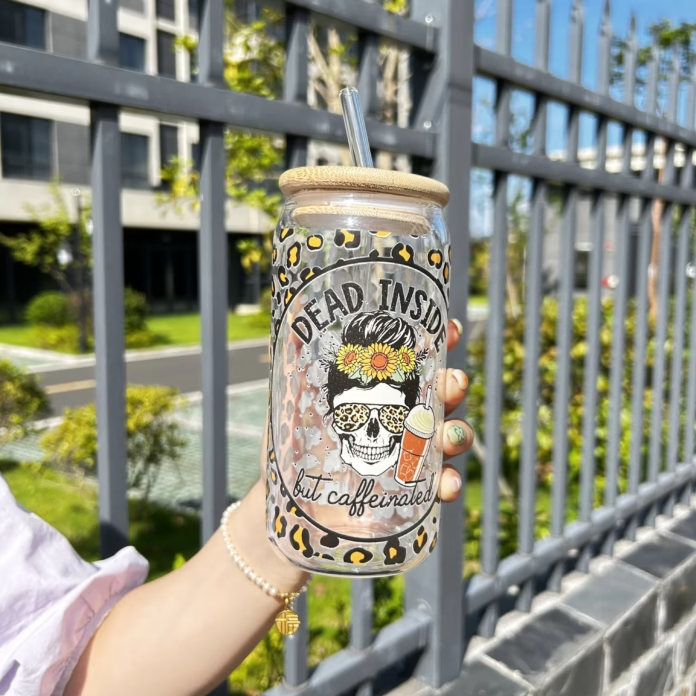

UV DTF stickers can be applied to many smooth glass and metal surfaces. They transfer full-color artwork without a heat press, making them useful for drinkware, signs, product packaging, promotional items, and personalized gifts.
Good adhesion depends on the surface, coating, cleanliness, and application method. The item must be tested before large-scale production, especially if it will face water, heat, chemicals, or frequent handling.
How Do UV DTF Stickers Work on Glass and Metal?
Using UV DTF for tumblers involves applying a printed adhesive transfer from a carrier film onto a compatible surface. The pressure-sensitive adhesive layer bonds the cured artwork to cups, glass, and similar objects without requiring heat.
1. Printed With UV-Cured Ink
UV DTF printing uses ultraviolet light to cure the ink during production. The printed design is prepared on film before being transferred to the final object.
The UV curing process creates sharp colors and defined details. Users receive a prepared transfer that can be applied without operating a UV printer.
2. Applied Without a Heat Press
Garment DTF transfers normally require controlled heat and pressure. UV DTF transfers use adhesive and manual pressure instead.
This heat-free application method makes them suitable for rigid objects that cannot be placed inside a heat press, including many bottles, containers, panels, and signs.
3. Designed for Smooth Hard Surfaces
UV DTF transfers need close contact with the item. Smooth glass and coated metal generally provide a more consistent bonding area than rough or porous materials.
A flat, nonporous surface helps the adhesive make full contact. Deep texture, rust, dust, and loose coatings can reduce adhesion around small details.
4. Able to Reproduce Detailed Artwork
The digital process can reproduce multiple colors, gradients, fine lines, and small lettering within one transfer. Separate vinyl layers are not required for each color.
This full-color printing capability is useful for logos, names, decorative artwork, and branded graphics. Very fine details should still be reviewed at the final print size.
5. Transferred Through Firm Pressure
After positioning the design, the user presses across the transfer so every printed area contacts the object. The carrier film is then removed carefully.
Consistent manual application pressure helps prevent lifting edges or missing elements. Curved objects may require slower pressing from the center toward the sides.
6. Suitable for Short or Large Runs
Businesses can use UV DTF transfers for one-off personalized products or repeated branding across multiple objects. Transfers can also be arranged together on gang sheets.
This flexible production format allows several designs or sizes to share sheet space. Careful layout can reduce unused film and simplify batch application.
Which Glass and Metal Items Can Be Decorated?
Compatibility depends on the object’s finish and intended use. Testing is important because two items made from the same material may have different coatings or surface treatments.
UV DTF transfers may work on:
- Glass jars
- Glass bottles
- Mirrors
- Glass display panels
- Metal tumblers
- Stainless steel bottles
- Coated aluminum containers
- Metal signs
- Product tins
- Toolboxes
- Decorative trays
- Promotional containers
- Storage canisters
- Laptop covers
- Smooth equipment panels
Avoid assuming that every object is suitable. Surface coatings can affect adhesion, even when the base material is glass, stainless steel, or aluminum.
UV DTF transfers should not be applied where they will contact food directly. They should also be kept away from rims or areas that regularly touch the mouth unless the product instructions specifically confirm suitability.
What Affects UV DTF Adhesion on Glass and Metal?
The transfer itself is only part of the result. Surface preparation, temperature, positioning, pressure, and aftercare influence how securely the artwork remains attached.
1. Surface Cleanliness
Dust, grease, fingerprints, polish, and manufacturing residue can prevent the adhesive from reaching the actual surface. An item may look clean while still carrying invisible oils.
Proper surface cleaning before application improves contact. Use a suitable cleaner for the object and allow the area to dry fully before positioning the transfer.
2. Smoothness and Texture
Smooth surfaces provide consistent contact across the full design. Rough powder coatings, brushed textures, seams, dents, and raised patterns may create small gaps.
A uniform application area is especially important for thin letters and isolated details. Test a small transfer when the surface has a noticeable texture.
3. Object Temperature
Very cold or hot items can affect how the adhesive behaves during application. Condensation on a cold bottle may also introduce moisture beneath the design.
Apply transfers at a stable room temperature whenever possible. Let stored or shipped items adjust to the workspace before cleaning and decorating them.
4. Protective Surface Coatings
Some drinkware and metal products have anti-fingerprint, water-resistant, silicone, or low-energy coatings. These finishes may resist adhesives as well as dirt or water.
Testing reveals coating compatibility before a full batch is produced. A transfer that bonds well to bare glass may behave differently on treated glass.
5. Application Technique
Touching the adhesive, repositioning the design repeatedly, or lifting the carrier too quickly can damage fine details. Uneven pressure may leave sections behind.
Products such as UV DTF transfers require careful step-by-step application. Follow the supplier’s instructions for pressing, peeling, and post-application waiting time.
6. Exposure After Application
Water, abrasion, cleaners, sunlight, and heat can affect long-term performance. Items handled every day experience more wear than decorative displays.
Appropriate product care after decorating helps preserve the design. Avoid aggressive scrubbing, harsh solvents, and unnecessary heat unless testing confirms the transfer can tolerate them.
Are UV DTF Stickers Waterproof or Dishwasher Safe?
UV DTF designs may resist occasional moisture when properly applied, but water resistance is not the same as guaranteed dishwasher safety. Dishwashers expose items to heat, detergent, strong water pressure, and repeated cycles.
Durability depends on:
- Transfer materials
- Surface coating
- Application quality
- Waiting time after application
- Water temperature
- Cleaning chemicals
- Frequency of washing
- Exposure to abrasion
- Placement of the design
- Manufacturer instructions
Hand washing is often the safer choice for decorated drinkware. Use a soft sponge and mild detergent, and avoid soaking or scrubbing directly over the transfer.
Do not claim that a finished item is dishwasher or microwave safe without testing the exact transfer, object, and application process. Metallic drinkware should never be placed in a microwave regardless of the decoration.
Conclusion
UV DTF stickers can work well on smooth glass and metal when the surface is clean, dry, and compatible with the adhesive. They offer detailed color without requiring a heat press, but coatings and textures can change the result. Testing is important before decorating a full batch. With careful preparation, firm pressure, and suitable aftercare, the finished design can remain clean and secure.