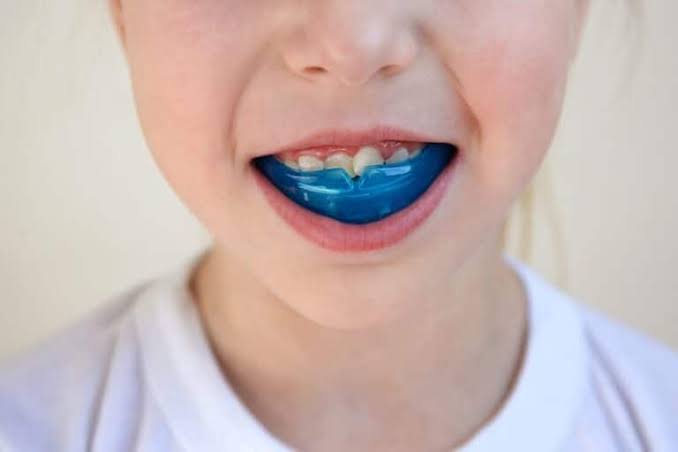

Sports can lift your child. One hit to the mouth can crush that joy. Teeth crack. Lips tear. Jaws bruise. You want protection that actually works, not a loose piece of plastic that falls out during the first sprint. A good mouthguard fits your child, stays in place, and lets your child breathe and talk. It also lowers the risk of broken teeth and concussion. Many parents grab a quick boil and bite guard from a store. Then they watch it sit in a gym bag. A pediatric dentist in Lee can help you choose a guard that your child will wear. You learn which style works for braces, growing jaws, and different sports. You also learn how to clean and replace it. With the right guidance, you protect your child’s smile, speech, and confidence every time they step on the court or field.
Why Mouthguards Matter For Kids In Sports
Contact to the face happens fast. A ball hits the mouth. A knee clips a jaw. A fall slams teeth into a hard floor. Mouthguards soften the hit. They spread the force. They keep teeth from smashing together.
The American Dental Association reports that athletes who wear mouthguards cut oral injuries in contact sports. You can review their mouthguard advice at ADA mouthguard guidance. That means fewer broken teeth. Fewer knocked-out teeth. Fewer cuts to the lips and tongue.
Mouthguards also protect:
- Permanent teeth that just came in
- Baby teeth that guide adult teeth
- Jaw joints that control chewing and speech
Without protection, one hard hit can lead to root canals, crowns, or tooth loss. Those problems follow your child into adult life.
Which Kids Need Mouthguards
Many parents think only boxers or football players need guards. That belief is wrong. Any sport with speed, contact, or hard surfaces can injure the mouth.
Your child should wear a mouthguard for sports such as:
- Football, hockey, lacrosse, rugby
- Basketball, soccer, field hockey
- Wrestling, martial arts
- Skateboarding, biking, scootering
- Gymnastics, cheer, volleyball, when collisions happen
Coaches may not always require guards. You still get to insist. You are the one who handles the dental bill and the tears.
Types Of Mouthguards For Kids
Not all guards work the same. Some protect better. Some feel better. Comfort matters because kids only wear what feels okay in real life play.
| Type | Where You Get It | Fit | Protection | Cost | Best For |
| Stock (ready made) | Sports or big box store | Loose. Often bulky | Low | Low | Short use or backup only |
| Boil and bite | Pharmacy or sports store | Better than stock. Can still slip | Medium | Low to medium | Kids with baby teeth and no braces |
| Custom made | Dental office | Snug. Stays put | High | Higher | Kids in contact sports or with braces |
Stock guards often feel big. Kids bite to hold them. That strains the jaw and makes speech hard. Many kids spit them out during play. Then they stay on the bench.
Boil-and-bite guards fit better. You soften the guard in hot water and form it to the teeth. Yet home fitting can go wrong. The guard can be thin in some spots or feel tight in others. That can reduce protection.
Custom guards start with a mold of your child’s teeth. The dental team uses that mold to form a guard that hugs every curve. It stays in place without clenching. It lets your child talk and drink.
Mouthguards And Braces
Braces change everything. Wires and brackets cut lips during contact. Also, teeth move during treatment, so the fit keeps changing.
A custom guard for braces:
- Covers brackets so they do not cut cheeks and lips
- Leaves room for teeth to move
- Reduces the risk of broken brackets
You can review youth sports mouthguard advice from the Centers for Disease Control and Prevention at the CDC HEADS UP youth sports page. Many concussion programs also stress mouthguards, especially with orthodontic work.
How To Tell If A Mouthguard Fits
A good mouthguard should meet three simple tests.
First, comfort. Your child should be able to:
- Close lips fully
- Breathe through the mouth without strain
- Speak in short sentences without taking it out
Second, stability. The guard should:
- Snap onto teeth with gentle pressure
- Stay in place when your child opens the mouth
- Not rock or click when pressed with a finger
Third, coverage. It should:
- Cover all top teeth
- Stop before the soft part of the palate
- Not dig into gums
If your child chews the guard or keeps pulling it out, the fit may be wrong. A quick visit with a dentist can fix that.
Care, Cleaning, And Replacement
A mouthguard collects saliva, food, and germs. Care needs to be simple so your child keeps up with it.
After each use, your child should:
- Rinse the guard in cool water
- Brush it gently with a toothbrush and mild soap
- Air dry it fully before storage
You should store it in a rigid, vented case. Heat in cars or on radiators can warp the plastic.
Replace the mouthguard when:
- Teeth grow or shift, and it feels loose
- Cracks or tears appear
- Your child finishes major orthodontic changes
Growing kids often need a new guard every sports season. The cost of a new guard is small compared with one emergency visit.
How To Help Your Child Wear The Guard Every Time
Even the best guard does nothing if it lives in a bag. You can help your child build a simple habit.
Try three steps:
- Link it to gear. Treat the guard like shoes and shin guards. No guard. No play.
- Practice at home. Have your child wear it during drills or games in the yard.
- Use the team. Ask the coach to remind the team to show guards before play.
You protect your child from head to toe with helmets, pads, and good shoes. Mouthguards finish that shield. With a guard that fits and works, you guard more than teeth. You guard comfort, clear speech, and steady confidence every time your child steps up to play.