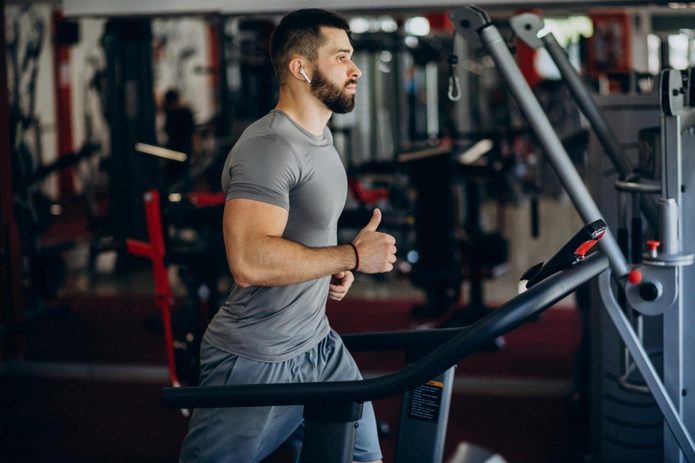

While you finish a workout feeling proud of yourself, but wake up the next morning with stiff legs and sore shoulders. Sometimes, the soreness doesn’t even peak until the second day. Does it sound familiar to you?
A little post-workout soreness is common, especially after a tough or unfamiliar session. We have discussed simple ways to support your recovery in this blog.
Why are You Still Sore?
That soreness that shows up hours after training is commonly known as delayed onset muscle soreness, or DOMS. It can happen when your muscles aren’t used to a particular movement or when you suddenly increase the amount of work you are doing.
You may notice it after:
- Trying a new exercise
- Increasing weights or repetitions
- Doing a workout after a long break
- Adding more sets than usual
- Performing exercises with lots of controlled lowering movements
Soreness can last for a few days and usually gets better gradually. Also, don’t assume that being extremely sore means you had a better workout. Your progress doesn’t depend on how difficult it is to walk the next day.
Keep Yourself Moving
When everything feels stiff, staying in bed all day can seem tempting. But you don’t necessarily need complete rest either. If you do light movement, it can help you feel less stiff without putting additional stress on the muscles you are trying to recover.
You can try something as simple as:
- Take an easy 15-20 minute walk
- Do some gentle stretching
- Try light mobility exercises
- Continue your normal daily activities
Pay Attention to Your Protein Intake
Your muscles need protein to repair themselves after training, so your daily diet is very important.
Try to include a source of protein in your meals rather than leaving most of your intake for one meal at the end of the day. Depending on your diet, this could come from dairy, eggs, lentils, beans, paneer, fish, chicken, or other protein-rich foods.
You may also come across supplements such as fish oil while looking into fitness and recovery. These can be good for your balanced routine, but they shouldn’t take your attention away from your everyday meals.
Drink Enough Water
Hydration is another simple part of recovery that you may forget often. You don’t need to constantly carry around a giant water bottle and force yourself to drink. Just make a habit of drinking water throughout the day, especially after sweating during a workout.
If you train for long periods, exercise outdoors, or live in a hot and humid environment, your hydration needs may be higher.
Timely Sleep Can Be Helpful
If you are training hard but sleeping for only a few hours every night, your recovery may not be as good as it could be.
Sleep gives your body time to recover from the physical stress of exercise. Instead of looking for another complicated recovery trick, start by getting your sleep schedule under control.
A few things that may help:
- Try to sleep for around 7-9 hours of sleep
- Schedule your sleep and wake schedule around similar times
- Avoid scrolling on your phone right before bed
- Give yourself some time to relax before sleeping
Don’t Rush Back Into the Same Workout
One of the easiest mistakes to make is training the same sore muscles hard again before they have recovered.
If your legs are still sore after a demanding leg session, there is nothing wrong with giving them another day. You could train your upper body, take a walk, or simply have a lighter day.
As you become more experienced, you get better at understanding when your body is ready for another hard session.
Do You Need Recovery Supplements?
Supplements can be useful in certain situations, but they shouldn’t become your first solution whenever you are sore.
Start with the basics: enough food, protein, fluids, sleep, and sensible training. Vitamin supplements can be helpful when you don’t get enough of a particular nutrient through your diet or when your healthcare professional recommends it.
It’s also worth checking what you are actually taking instead of combining several products just because they’re marketed for recovery.
When is Soreness Not Normal?
Most workout-related soreness should gradually improve. If your pain feels unusually severe or isn’t getting better, don’t simply assume that you need to push through it.
Speak to a healthcare professional if you notice things such as:
- Severe or sharp pain
- Significant swelling
- Unusual weakness
- Difficulty moving normally
- Dark-coloured urine
- Pain that continues or keeps getting worse
These symptoms can point to something other than ordinary post-workout soreness.
Summing Up
Feeling sore for a day or two after training isn’t necessarily something to worry about. It can happen when you challenge your muscles in a new way or increase your workload. Give your body enough food, water, sleep, and recovery time, and keep some gentle movement in your routine. You don’t need to be painfully sore after every workout to know you are progressing.