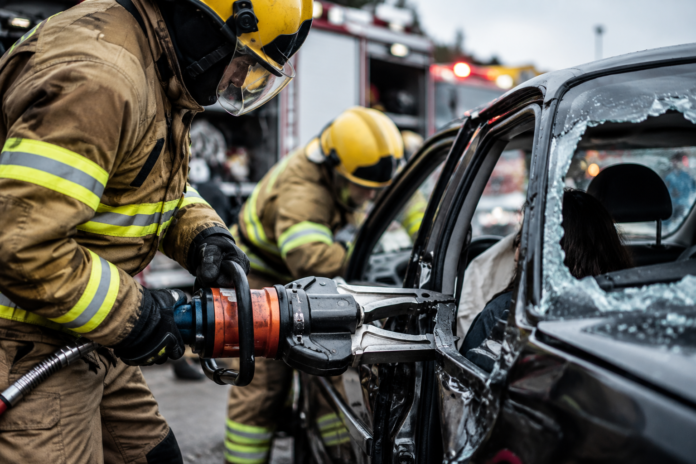

Rescue departments require the right preparation and resources to handle complex vehicle incidents safely and efficiently. Each emergency scene can present different challenges, from damaged vehicle structures to limited access areas. Strong response capabilities allow teams to manage these situations with better control and coordination.
Improving rescue performance involves more than purchasing new tools. Departments need to assess their operational needs, maintain equipment standards, and ensure their resources support current rescue demands. This article explains key ways departments can improve their Vehicle Extrication capabilities through effective equipment planning and operational readiness.
Select Extrication Tools That Support Rescue Operations
Extrication of vehicles depends on equipment that allows responders to access vehicles, stabilise damaged areas, and assist occupants safely. Rescue departments should evaluate their common response scenarios before selecting tools for their vehicles. The right equipment combination helps teams address different incident conditions without unnecessary delays.
Hydraulic cutters, spreaders, rams, and stabilisation equipment each serve specific purposes during rescue work. Cutters help create openings in damaged sections, while spreaders and rams provide controlled movement when access is restricted. Stabilisation systems support a secure work area by helping prevent unwanted vehicle movement during operations.
Improve Equipment Readiness With Regular Assessments
Rescue tools must remain in suitable working condition so teams can depend on them during emergency situations. Departments should review tool performance, accessories, storage arrangements, and maintenance requirements as part of their equipment management process. These checks help identify issues that could affect response efficiency.
A consistent assessment process should include:
- Checking rescue tools for signs of damage or reduced performance
- Confirming batteries, hydraulic components, and accessories are available
- Reviewing storage layouts for faster deployment
- Maintaining service records for equipment tracking
- Updating resources based on changing operational requirements
A structured review system helps departments maintain better control over their rescue resources. Proper equipment organisation also supports smoother coordination when teams arrive at demanding scenes.
Strengthen Team Familiarity With Available Resources
Rescue teams need a clear understanding of how each tool supports different extrication tasks. Regular practice with department equipment helps members understand operating methods, limitations, and suitable applications. Familiarity allows crews to make better decisions when conditions change at an incident location.
Training should focus on using tools together as part of a complete rescue approach. Team members can improve coordination by understanding their roles and communicating clearly throughout each stage of the operation. Well-prepared crews can maximise the value of their available equipment.
Adapt Equipment Plans for Changing Vehicle Structures
Vehicle designs continue to develop, creating new considerations for rescue departments. Materials, safety features, and construction methods can influence how responders approach vehicle access and occupant removal. Departments should regularly review their equipment requirements to match these changes.
Evaluating current resources helps identify when additional tools or updated solutions may be needed. Access to technical information and industry guidance can support better decisions about future equipment investments. A flexible equipment plan allows departments to maintain effective response capabilities.
Choose a Suitable Equipment Provider for Long-Term Support
Rescue departments need equipment providers that understand the demands of emergency response environments. Important considerations include product suitability, technical assistance, servicing support, and the ability to provide solutions that match department requirements.
The right partnership helps departments maintain dependable resources throughout the equipment lifecycle. With suitable tools and proper support, rescue teams can continue improving their response capabilities for challenging vehicle incidents.
Improving vehicle extrication capabilities requires a balanced approach that combines suitable resources, skilled teams, and ongoing preparation. Rescue departments that regularly evaluate their processes can strengthen their response for different emergency conditions. A well-planned approach helps teams remain ready when vehicle rescue situations demand quick and coordinated action.