
Winter storms hit Northeast Pennsylvania every year, and they never wait for a convenient time. Heavy snow and ice can knock out power for hours or even days at a stretch. For a business, an outage means more than dark lights and a quiet office. It can mean lost revenue, spoiled inventory, and safety systems that shut down right when you need them most. Bee Lectric has seen firsthand how fast an unplanned outage can disrupt a commercial property in this region. The good news is that a solid backup power plan can keep your business running no matter what the weather brings. This guide walks through the risks, the options, and the steps NEPA business owners can take before the next storm arrives.
Why Northeast Pennsylvania Businesses Face Unique Winter Power Risks
Northeast Pennsylvania sees some of the toughest winter weather in the state. Heavy snow loads and ice storms are common from December through March. Ice builds up fast on power lines and tree branches near roads and business parks. When branches break under that weight, they often take power lines down with them. Rural feeder lines that serve business parks outside Scranton and Wilkes Barre are especially vulnerable during long storms. Repair crews sometimes need a full day or more to restore power across a wide area. Local contractors who work across this region see the same pattern play out every winter. Businesses that plan ahead recover faster than those that wait until the power goes out to think about backup options.
What Happens When a Commercial Property Loses Power in Winter
A power outage does not just mean dark lights. For restaurants and businesses with cold storage, it means spoiled food and lost inventory within hours. Offices lose access to computers, phones, and internet service the moment the grid goes down. Retail stores cannot process payments or keep security systems running. Alarm systems and cameras that protect a property overnight often depend on electricity to function properly. Frozen pipes become a real risk once heat stops running during a cold snap. For many businesses, a single outage can end up costing more than a full year of preventive maintenance would have. The impact also reaches beyond the hours the power stays out. Recovery time, spoiled stock, and missed business all add up fast, and customers do not always come back after a bad experience.
Types of Backup Power Systems for Commercial Properties
Standby Generators
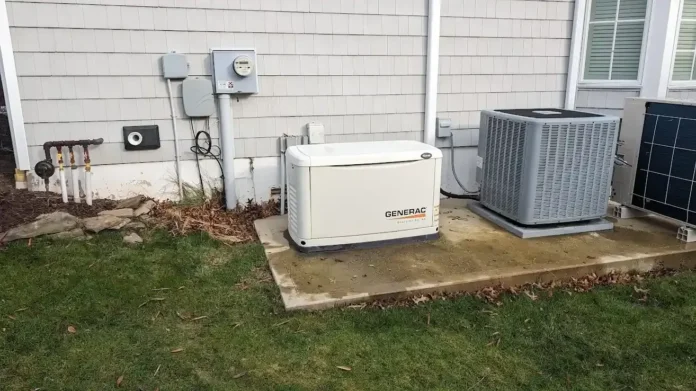
A standby generator turns on by itself within seconds of an outage. It stays connected to your building and runs on natural gas or propane. This type of system can power an entire commercial property, including HVAC, refrigeration, and security systems. Automatic Generator Installation is the most reliable way for a business to avoid downtime during a winter storm, since the system starts on its own without anyone flipping a switch. Once installed, these systems run self tests on a regular schedule, so problems get caught early instead of during an actual outage.
Portable Generators
Portable generators can help in a pinch, but they come with real limits for commercial use. They usually only power a few outlets or a small area at a time. Fuel needs to be refilled by hand, which is not practical once an outage stretches past a day. For most commercial properties, a portable unit works best as a short term backup, not a full solution for a building that needs to stay open.
Battery Backup Systems
Battery backup systems store power and switch on the moment the grid goes down. They work well for keeping critical systems running, such as security cameras, data servers, and emergency lighting. Batteries are often paired with a generator for longer outages, giving a business power right away while the generator starts up. This combination covers both the first few seconds of an outage and the hours that follow.
How to Choose the Right Generator Size for Your Business
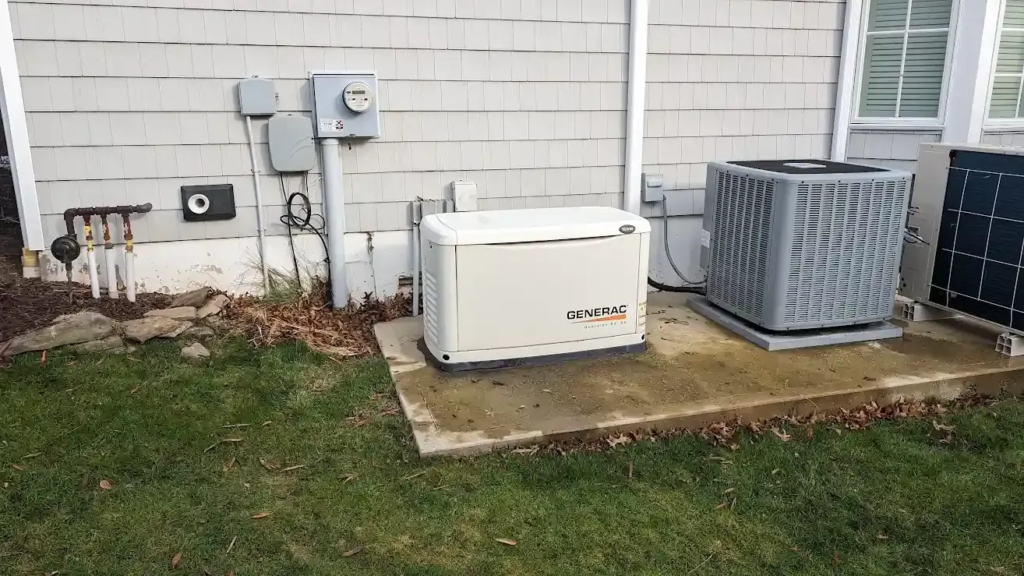
Choosing the right generator starts with knowing what needs to stay powered. A small office might only need to keep lights, computers, and internet running during an outage. A restaurant or property with cold storage needs enough capacity to run refrigeration units without any interruption. Bee Lectric works with NEPA business owners to calculate the actual electrical load of a property before recommending a system size. Guessing at generator size often leads to a unit that cannot handle the full building, or one that costs more than the business actually needs. A proper load calculation takes into account every piece of equipment that must stay running during an outage, from HVAC systems to point of sale equipment and everything in between.
Winter Storm Preparation Checklist for NEPA Businesses
A few simple steps now can prevent a major disruption later. Business owners across Northeast Pennsylvania can use this checklist to get ready before the next storm:
- Schedule a full electrical inspection before the first freeze of the season
- Test transfer switches to confirm they engage properly during an outage
- Check fuel levels and refill propane or natural gas connections
- Trim tree branches growing close to power lines near the building
- Verify surge protection is in place for sensitive equipment
- Confirm your generator has had recent maintenance and a load test
Businesses that work through this checklist each fall are far less likely to face a surprise failure when a storm actually hits.
When to Schedule a Professional Electrical Inspection Before Winter
Fall is the best time to schedule a full inspection, ideally before the first hard freeze in October or November. A professional inspection checks your panel capacity, backup system connections, and any signs of wear left over from the previous winter. Waiting until a storm is already in the forecast leaves little room for repairs or generator delivery. Business owners who schedule inspections early also avoid the seasonal rush that hits electricians once cold weather arrives across the region.
Common Questions About Commercial Backup Power in Northeast Pennsylvania
How long can a commercial generator run during an extended outage?
Most standby generators can run continuously for as long as fuel is supplied, especially units connected to a natural gas line. Propane powered units depend on tank size and may need a refill during a longer outage.
Do commercial properties need a permit for generator installation?
In most cases, yes. Standby generator installation typically requires an electrical permit and inspection to meet local code. A licensed electrician can handle the permit process as part of the installation.
Can a generator power an entire building or just critical systems?
It depends on the system size. A properly sized standby generator can power an entire commercial building. Smaller systems or battery backups are often set up to cover only critical systems like security and refrigeration.
How often should a backup generator be serviced?
Most manufacturers recommend service at least once a year, along with a load test to confirm the unit performs under real demand. Businesses in NEPA often schedule this in early fall before winter storms begin.
What is the difference between standby and portable generators for business use?
A standby generator is permanently connected to the building and starts automatically. A portable generator must be manually connected and refueled, which makes it a backup option rather than a full solution for a commercial property.
Get Ahead of Winter Storm Season
Winter storms in Northeast Pennsylvania are not a matter of if, they are a matter of when. Businesses that wait until the power goes out are left scrambling for a solution while their competitors stay open. A backup power plan built before the season starts is the difference between a minor inconvenience and a costly shutdown. Bee Lectric helps commercial properties across the region plan, size, and install backup power systems built for real NEPA winters. Call (570) 525-5908 today to schedule a consultation and get your business ready before the next storm arrives.
<iframe src=”https://www.google.com/maps/embed?pb=!1m18!1m12!1m3!1d2991.0389911919974!2d-75.6118031!3d41.43837560000001!2m3!1f0!2f0!3f0!3m2!1i1024!2i768!4f13.1!3m3!1m2!1s0x89c4db4e4b60a36d%3A0xd2155d963b95cb30!2sBee-Lectric!5e0!3m2!1sen!2sus!4v1787154052967!5m2!1sen!2sus” width=”600″ height=”450″ style=”border:0;” allowfullscreen=”” loading=”lazy” referrerpolicy=”strict-origin-when-cross-origin”></iframe>