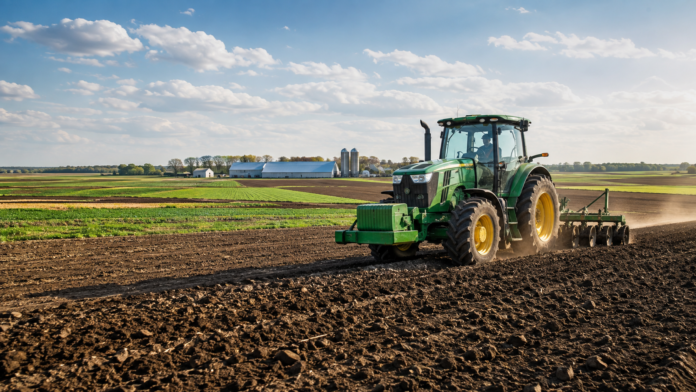

Farming is closely connected to timing. Soil preparation, planting, crop care, and harvesting all need to happen within suitable seasonal windows. When one stage is delayed, later activities can also be affected. This is why tractors play such an important role in helping farmers organize fieldwork, manage workloads, and complete essential tasks when conditions are right.
Choosing machinery from a suitable agriculture equipment manufacturer can support better seasonal planning by giving farmers access to tractor options that match different field sizes, workloads, and implement requirements. A tractor that is correctly matched to the farm can help reduce delays, improve daily work capacity, and make it easier to move from one seasonal task to the next.
Seasonal Timing Is Critical in Agriculture
Agricultural work cannot always be postponed.
Farmers often need to prepare land when soil conditions are suitable, plant within a specific period, and complete crop care before weather patterns change.
If these tasks are delayed, the farm may lose valuable working days.
A suitable tractor can help reduce this pressure by allowing more land to be covered in less time compared with manual methods.
This becomes especially important when rain, temperature, or soil moisture limits the number of days available for fieldwork.
Efficient machinery gives farmers more control over how quickly essential operations can be completed.
Field Preparation Sets the Foundation for the Season
Before planting begins, the land usually needs some form of preparation.
Depending on the crop and farming method, this may involve plowing, tilling, leveling, or other soil-related work.
A tractor provides the power needed to operate many of the implements used during this stage.
Good preparation can make later operations easier because fields are more organized and ready for planting equipment.
However, the tractor must be properly matched with the implement.
A machine that does not provide enough power may work slowly or struggle in difficult soil, while a tractor that is much larger than necessary can increase operating costs.
Soil Conditions Affect How Quickly Work Can Be Completed
Not every field is equally easy to prepare.
Dry, compacted, wet, loose, or heavy soils can place different demands on machinery.
Farmers should understand how their land behaves during different times of the year.
For example, some fields may become difficult to enter after heavy rain, while others may become too hard when conditions are extremely dry.
This makes timing even more important.
A tractor with suitable traction, tires, and power can help farmers work more effectively when the field is ready.
The objective is not simply to move faster, but to complete the job under appropriate conditions.
Tractor Power Should Match Seasonal Workload
A tractor may be used for different jobs throughout the year.
During land preparation, it may need to handle heavier implements. At another time, it may be used for lighter transport or crop maintenance work.
Farmers should consider the most demanding regular task when selecting power.
However, they should also think about how the tractor will be used during the rest of the season.
A balanced machine can often provide better overall value than a tractor selected only for one extreme job.
Enough power is important, but so are flexibility, fuel use, maneuverability, and implement compatibility.
Planting Operations Benefit From Good Preparation
Once the field has been prepared, planting often needs to begin quickly.
Delays between soil preparation and planting can create problems, especially when weather conditions are changing.
A tractor that is already matched with suitable equipment can help farmers move efficiently from one stage to another.
This is where good planning becomes valuable.
Farmers should inspect the tractor and planting implements before the season starts instead of waiting until the first working day.
Small problems with tires, hydraulics, connections, or other components can cause unnecessary delays if they are discovered too late.
Implement Planning Can Save Valuable Time
A tractor becomes useful for seasonal work because of the implements it can operate.
Different stages of farming may require:
- Plows
- Rotary tillers
- Cultivators
- Seeders
- Sprayers
- Mowers
- Trailers
- Other field attachments
Farmers should make sure these implements are ready before the relevant season begins.
This includes checking connections, wear points, moving parts, and compatibility with the tractor.
Changing from one task to another is much easier when equipment has already been inspected and prepared.
A well-organized implement schedule can reduce downtime and improve overall workflow.
One Tractor May Support Several Seasonal Stages
One of the main advantages of a tractor is its ability to support several types of work during the same crop cycle.
After land preparation, the machine may be used for planting support, spraying, mowing, transport, or general farm duties.
This can make the tractor a central part of seasonal planning.
When farmers compare an agriculture equipment manufacturer, it is useful to consider how different tractor options can support multiple stages of farm work rather than focusing only on one operation. Matching the machine to the full seasonal workload can help improve equipment use throughout the year.
Transport Work Also Becomes Important During the Season
Tractors are not limited to soil and crop operations.
Many farms also use them to transport tools, supplies, feed, harvested materials, or other loads.
Transport needs may increase during planting and harvesting periods.
Farmers should therefore consider trailer compatibility, road conditions, farm access, and the distance between fields.
A tractor that handles fieldwork well but struggles with regular transport may not fit the farm’s full seasonal requirements.
Planning for both field and transport duties creates a more realistic picture of how the machine will be used.
Weather Changes Can Make Flexible Equipment More Valuable
Weather is one of the least controllable parts of farming.
Rain can stop fieldwork, heat can affect working conditions, and unexpected changes may shorten the time available for an important task.
Farmers cannot control the weather, but they can prepare equipment so work can begin quickly when conditions improve.
A reliable tractor can help make better use of limited working windows.
This is particularly useful during planting or soil preparation when a few lost days may affect the entire schedule.
Good machinery preparation therefore becomes part of risk management on the farm.
Daily Inspections Help Protect the Schedule
A short inspection before work can help prevent unexpected interruptions.
Operators can check:
- Engine oil
- Coolant
- Tires
- Hydraulic connections
- Visible leaks
- Lights
- Implements
- Fuel level
These checks do not take long, but they may reveal problems before the tractor enters the field.
During busy seasons, this can be especially valuable.
A damaged hose or low fluid level discovered early may be much easier to correct than a breakdown that happens several hours into fieldwork.
Daily inspections should become a normal part of seasonal operations.
Fuel Planning Can Prevent Unnecessary Interruptions
Fuel availability is another simple factor that can affect seasonal productivity.
When tractors work for long hours, fuel use can increase quickly.
Running out of fuel in the middle of an important field operation wastes time and may disrupt other workers or machinery.
Farmers should estimate expected operating hours and plan fuel supply accordingly.
They should also monitor fuel use over time.
Unusually high consumption may indicate inefficient operation, unsuitable loading, poor maintenance, or another issue that needs attention.
Good fuel planning helps keep tractors working when they are most needed.
Operator Scheduling Matters During Busy Periods
A tractor cannot improve productivity if no trained operator is available to use it.
During planting and harvesting seasons, workers may be responsible for several jobs at the same time.
Farm owners should plan who will operate each machine and make sure those workers understand the controls and safety procedures.
Backup operators can also be useful on larger farms.
If only one person knows how to use a tractor, illness or absence may create an unnecessary delay.
Basic training across the team can make seasonal operations more flexible and reduce dependence on a single operator.
Preventive Maintenance Should Happen Before Peak Work
Major servicing should ideally be completed before the busiest farming period begins.
Waiting until the tractor is already required every day can create avoidable problems.
Before peak season, farmers should consider checking filters, fluids, batteries, tires, belts, hydraulic systems, and other maintenance points.
Service records can help identify what work is due.
If a tractor showed minor problems during the previous season, those issues should be addressed before heavy use begins again.
Preventive maintenance helps reduce the chance that an avoidable mechanical problem will interrupt an important agricultural task.
Storage Preparation Affects the Next Season
Seasonal planning continues even after fieldwork slows down.
A tractor that is stored carelessly may develop problems before it is needed again.
Farmers should clean machinery, inspect for damage, address known leaks, and follow suitable storage procedures.
The battery, tires, fluids, and exposed components may also need attention depending on how long the tractor will remain unused.
Proper storage can make the next startup easier.
It also gives farmers an opportunity to repair equipment during quieter periods instead of waiting until the next busy season begins.
Farm Records Can Improve Future Planning
Keeping simple records can help farmers understand how machinery is being used.
Useful information may include:
- Operating hours
- Fuel use
- Maintenance dates
- Common repairs
- Fieldwork completed
- Time required for major tasks
- Implement performance
These records can help farmers identify patterns.
For example, they may discover that one task consistently takes too long or that a certain implement creates repeated maintenance issues.
This information can support better decisions when planning the next season or purchasing future equipment.
Long-Term Planning Helps Avoid Last-Minute Decisions
Farm machinery decisions are usually better when they are made before an urgent need appears.
Buying or replacing a tractor at the last moment can limit the time available to compare power, size, features, and compatibility.
Farmers should review their machinery needs during quieter periods.
They can consider whether the current tractor still matches farm size, whether new implements are planned, and whether the workload is expected to increase.
This approach creates more time for careful evaluation and reduces the pressure to make a rushed purchase during an important farming season.
Conclusion
Successful seasonal farming depends on completing the right jobs at the right time. Tractors support this process by providing the power and flexibility needed for field preparation, planting support, transport, crop care, and other agricultural activities throughout the year.
The greatest benefit comes when the tractor is properly matched to the farm and prepared before peak work begins. Implement planning, preventive maintenance, operator training, fuel management, daily inspections, and proper storage can all help reduce delays and make seasonal operations more organized. Farmers and agricultural businesses that want to explore tractor solutions for different farm workloads can find additional information through Gengjiaagri.com.