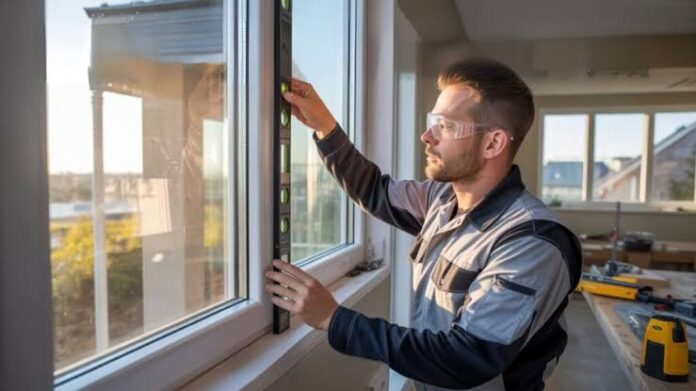

Windows have a much bigger influence on a home than their appearance alone might suggest. They affect how much natural light enters a room, how comfortable the interior feels throughout the year, how much outside noise gets through, and even how private a space feels. Because of this, upgrading windows works best when the project is approached as a complete system rather than a simple replacement.
The structural window is only one half of that system. Interior treatments also play an important role in controlling sunlight, privacy, glare, and atmosphere. Homeowners researching options such as custom shades nyc can see how much flexibility interior treatments provide when they are selected alongside the window itself. Planning both elements together can create a result that feels more intentional and performs better day to day.
Start with what the window needs to accomplish
Before comparing frame materials, glass packages, or interior treatments, it helps to identify the problems the existing windows are creating. Some rooms may become noticeably warmer during sunny afternoons. Others may feel drafty during colder weather, suffer from excessive glare, or provide less privacy than the household would prefer.
Each room can have different priorities. A bedroom might need strong light control and privacy, while a living area may benefit from maximizing daylight. A home office could require glare reduction without making the room feel dark. Thinking about these practical needs first makes it easier to narrow down the enormous number of available options.
The condition of the current windows should also be considered. Drafts, condensation between panes, difficult operation, damaged frames, or noticeable temperature differences near the glass can indicate that structural improvements may be worthwhile. If the window itself performs poorly, adding an attractive treatment can improve light control but may not solve the underlying problem.
Look beyond the frame and focus on performance
Choosing a window often starts with appearance, but the way it performs over time deserves just as much attention. Glass construction, frame materials, sealing, and installation quality can all influence insulation and indoor comfort. A well-planned upgrade should balance these practical factors with the overall style of the property.
Energy performance is especially important in spaces exposed to significant sunlight or outdoor temperature changes. Modern glass configurations can help reduce heat transfer while still allowing natural light into the room. Depending on the home, homeowners may also consider features designed to limit ultraviolet exposure, which can help protect flooring, fabrics, furniture, and artwork from prolonged sunlight.
Durability and maintenance should factor into the decision as well. Some homeowners prioritize materials that require minimal upkeep, while others place greater value on a particular architectural appearance. There is no single material or design that is ideal for every property, which is why the best choice usually comes from balancing performance, maintenance, appearance, and budget.
Control sunlight without sacrificing the room
Once the structural side of the project has been considered, attention can shift toward how light behaves inside the home. Natural light can make rooms feel larger, brighter, and more welcoming, but too much sunlight can introduce glare, heat, fading, and privacy concerns.
Different treatments provide different levels of control. Light-filtering options can soften intense sunlight while allowing a room to remain bright. More opaque coverings provide greater privacy, while blackout designs may be useful in bedrooms, media spaces, or rooms where controlling sunlight is particularly important.
The direction the window faces can influence this decision significantly. A room receiving strong direct sunlight may require more control than a window that receives mostly indirect daylight. Discussing these conditions with an experienced professional can help homeowners avoid choosing a solution based purely on appearance. When questions arise about how structural and interior options might work together, homeowners can call (239) 310-6414 to discuss the project in greater detail. That extra planning can help prevent uncomfortable surprises after installation.
Match privacy levels to the way each room is used
Privacy is not an all-or-nothing decision. Different parts of a home often require different levels of coverage throughout the day.
Bedrooms and bathrooms generally benefit from stronger privacy, while kitchens and living areas may work better with treatments that maintain daylight while limiting visibility from outside. Some households also want the ability to change privacy levels throughout the day, making adjustable blinds, layered treatments, or flexible shade systems attractive options.
It is worth considering nighttime conditions too. A window treatment that provides reasonable privacy during daylight may behave differently after dark when interior lights are turned on. Evaluating treatments under different lighting conditions can help homeowners choose options that perform as expected both during the day and in the evening.
Make design and function work together
A window upgrade does not have to choose between practical performance and visual appeal. In fact, some of the most successful projects treat the structural window, trim, hardware, and interior treatment as parts of one design.
Colors, textures, frame profiles, fabrics, and finishes can either complement one another or create deliberate contrast. Neutral treatments may blend quietly into a room, while patterned fabrics or distinctive materials can become part of the interior design itself. The right approach depends on whether the homeowner wants the windows to disappear into the background or become a noticeable feature.
Proportion matters too. Treatments that are poorly sized can make even attractive windows appear awkward. Accurate measurements help ensure coverings sit correctly, operate smoothly, and provide the intended level of privacy and light control.
Decide whether automation adds real value
Motorized window treatments have become increasingly appealing because they combine convenience with precise light management. They can be particularly useful for tall windows, difficult-to-reach areas, or rooms where coverings are adjusted several times throughout the day.
Automation does not automatically make a treatment better, however. Manual options can be perfectly suitable for easily accessible windows and may offer a simpler, more economical solution. Homeowners should consider how frequently treatments will be adjusted and whether automation will genuinely improve everyday use.
For larger projects, automated treatments can also help create consistent lighting conditions across several windows. The choice ultimately comes down to convenience, budget, accessibility, and personal preference.
Plan installation as carefully as the products
Even high-quality windows and treatments can underperform when measurements or installation are inaccurate. Structural windows require correct fitting and sealing to deliver their intended insulation and weather resistance. Interior treatments also depend on precise measurements to operate smoothly and provide proper coverage.
This is one reason planning the entire project before purchasing individual pieces can be valuable. Homeowners can determine which structural improvements are necessary, decide how each room should handle light and privacy, and then select treatments designed around the finished window dimensions.
A complete window upgrade is ultimately about creating a better relationship between the indoors and outdoors. When structural performance, natural light, privacy, comfort, and interior design are considered together, windows become more than architectural openings. They become an active part of how comfortable, functional, and enjoyable the home feels every day.