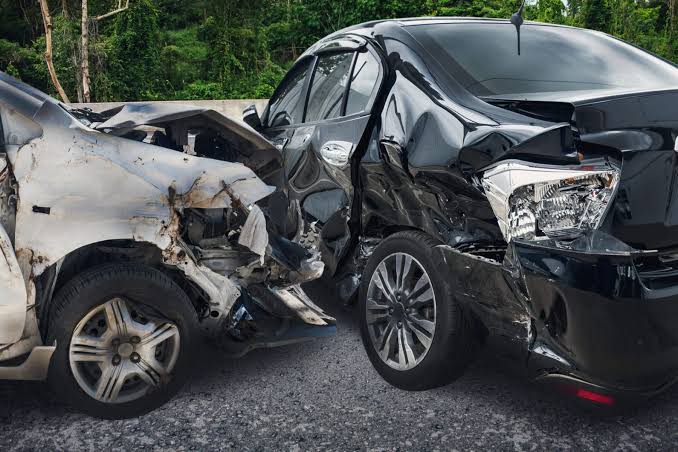

A car accident can happen in seconds, but determining exactly what happened may take weeks or even months. When injuries are involved, evidence can become especially important because insurance companies, drivers, witnesses, and attorneys may have different versions of the events.
For people injured in Georgia car accidents, knowing what evidence to preserve can make it easier to establish what happened and document the financial and personal impact of the crash.
Photos and Videos From the Accident Scene
If it is safe to do so, photographs and videos should be taken as soon as possible after a collision. Vehicles may be moved, debris can be cleared, and road conditions can change quickly.
Useful photographs may show vehicle damage and positions, skid marks and debris, traffic lights and signs, road conditions, visible injuries, and nearby businesses or surveillance cameras. It can also be useful to photograph the wider accident scene rather than focusing exclusively on vehicle damage.
Police Reports and Accident Documentation
Calling law enforcement after a serious collision creates an official record of the incident. The resulting report may contain information about the drivers, vehicles, insurance coverage, witnesses, and circumstances surrounding the crash.
A police report does not necessarily determine who is legally responsible for an accident, but it can provide valuable information when an insurance claim or lawsuit is investigated. Drivers should also keep copies of insurance correspondence, towing receipts, repair estimates, rental vehicle expenses, and other documents associated with the collision.
Witness Information
Independent witnesses can be particularly helpful when drivers disagree about how an accident occurred. Anyone who witnessed the collision should be asked for their name and contact information. Waiting to locate witnesses later can make the process considerably harder.
Depending on the location, additional evidence could exist in surveillance footage, residential security systems, traffic cameras, or dashboard cameras. Some recordings may be automatically deleted after a limited period, making early preservation important.
Cellphone and Distracted-Driving Evidence
Distracted driving is another issue that may need to be investigated after a collision. Georgia’s Hands-Free Law restricts drivers from physically holding or supporting wireless telecommunications devices while operating a vehicle and restricts activities such as writing, sending, or reading text-based communications.
When distraction is suspected, evidence related to cellphone use may become relevant. The Georgia Department of Driver Services provides additional information about the state’s distracted-driving and hands-free requirements.
Medical Records Help Document Injuries
Evidence is not limited to proving how an accident occurred. An injury claim must also establish the harm resulting from the collision. Medical records can document diagnoses, treatment, medications, physical therapy, surgery, and other care. Keeping records of medical bills and related expenses can also help establish the financial impact of an injury.
Employment and Income Records
A serious injury may prevent someone from working temporarily or affect long-term earning ability. Pay stubs, tax records, employer correspondence, and documentation showing missed work can help establish lost income.
Why Preserving Evidence Early Matters
Evidence has a tendency to disappear. Vehicles get repaired, surveillance recordings are overwritten, witnesses become difficult to locate, and memories fade. This is one reason injured individuals may choose to speak with an attorney early in the process.
Individuals looking for information about personal injury claims and legal representation in Atlanta can learn more from Thomas Kennedy Sampson & Tompkins LLP.
Final Thoughts
A successful injury claim depends on facts and documentation rather than assumptions about who caused an accident. Photos, medical records, witness accounts, police reports, digital evidence, and financial documents can all help create a clearer picture of what occurred and how the accident affected the injured person. Preserving that information from the beginning can put accident victims in a better position to understand and protect their legal rights.