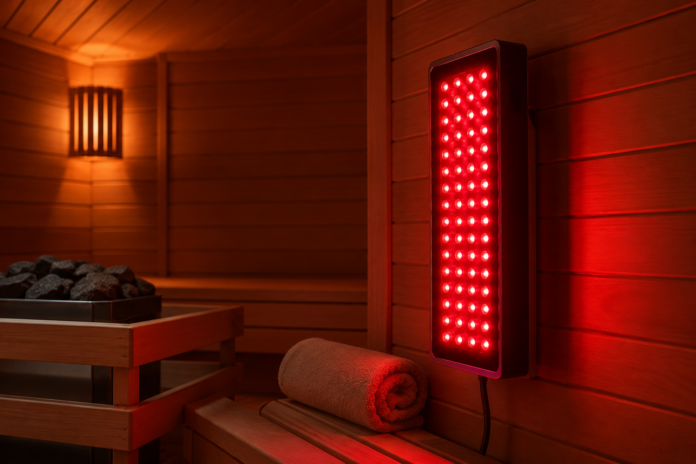

Plenty of articles explain how to combine heat and light in a single session. Almost none explain what that environment does to the equipment. A sauna is one of the most hostile places in a home for consumer electronics: sustained air temperatures well above anything a standard device is rated for, humidity that swings from dry to saturated within minutes, and a thermal cycle repeated several times a week for years. Hardware that performs perfectly in a bedroom can degrade quietly in that setting, and the failure is rarely dramatic enough to notice.
That matters because degradation shows up as reduced output long before it shows up as a dead unit. A panel losing intensity to heat stress still turns on, still looks the same, and still feels like it is working, while delivering a fraction of the dose it did when new. This piece is written for anyone planning an installation rather than a session: what fails in sauna conditions, which specifications actually apply, how mounting decisions change service life, and what to verify before and after purchase.
Why Standard Panels Fail in a Sauna
Two mechanisms account for nearly all of it, and they compound each other. The first is thermal. Every LED loses efficiency as its junction temperature rises, and every panel relies on shedding heat into surrounding air to stay within its designed range. In a room already holding heat, that heat sink stops working. The device runs hotter than its engineers assumed, output drops during the session, and the cumulative stress shortens the life of both the emitters and the driver electronics.
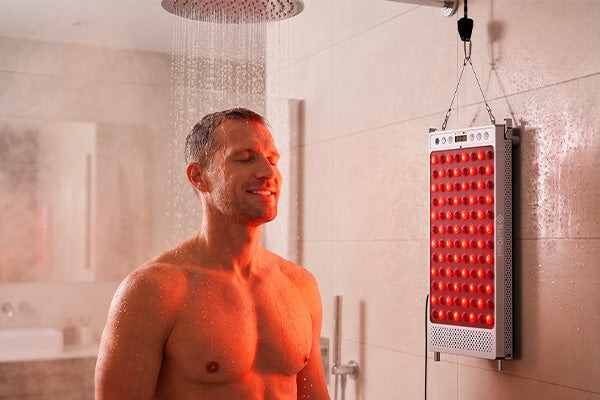
The second is moisture. Equipment built for Sauna Red Light Therapy has to survive a cycle that ordinary sealing was never designed for: air heats and expands, the enclosure breathes, then everything cools and contracts and draws humid air back inside. Repeated hundreds of times, this pumps moisture past seals that would hold indefinitely against simple splashing. Condensation then forms on internal surfaces as the room cools, which is where corrosion begins on connectors and solder joints.
What Thermal Derating Looks Like in Practice
Manufacturers publish output figures measured at room temperature. A device operating thirty or forty degrees above that ambient will produce measurably less, and nothing about the light tells the user this is happening. Purpose-built units address it with larger thermal margins, emitters selected for elevated operating ranges, and drivers positioned outside the hot zone. Consumer panels address it by assuming it will not happen.
Where Moisture Actually Gets In
Seals are rarely the weak point. Cable entry glands, the seam between a lens and its housing, and any ventilation opening are where ingress occurs, and units designed for bathrooms often have openings that make sense in a bathroom and no sense in a steam-cycled room. Inspecting how a device handles its cable entry tells you more about its suitability than any headline rating.
Reading the Specifications That Actually Apply
Product pages for this category are full of numbers that sound reassuring and describe the wrong thing. Separating the applicable ones from the decorative ones is most of the work.
Ambient Temperature Rating Is the Number That Counts
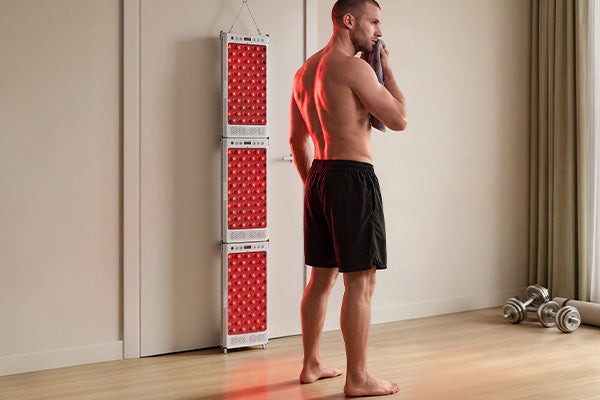
The figure that matters is the maximum ambient operating temperature, and it should comfortably exceed the temperature the sauna actually reaches at the height where the device will be mounted. Note that this is not the same as the thermostat setting, since air near the ceiling runs considerably hotter than air at bench level. A device rated only for typical indoor conditions is being operated outside its specification the moment the heater comes up to temperature, regardless of how well it is sealed.
Ingress Protection Without the Marketing Gloss
Ingress ratings describe resistance to water and dust, not resistance to repeated thermal cycling in saturated air, and a rating earned in a splash test says nothing about the breathing cycle described earlier. Treat a published rating as a minimum threshold rather than proof of suitability, and give more weight to whether the manufacturer explicitly designed and tested the unit for sauna installation. That claim is falsifiable and specific; a generic waterproof label is neither.
Materials That Tolerate the Cycle
Beyond ratings, the physical construction tells its own story. Housings and lens materials that hold their shape through repeated heating and cooling matter more here than in any other application, because thermal expansion is what eventually opens a seal that was sound when new. Adhesives and gaskets are the components that age fastest under this cycle, and units built with mechanical fastening rather than adhesive-dependent assembly tend to hold up longer. This is visible in a product photograph if you know to look for it.
Installation Choices That Extend Service Life
Two units of identical specification can differ by years in service life based on where they are mounted, which makes installation the highest-leverage decision available after purchase.
Position Relative to the Heater and Ceiling
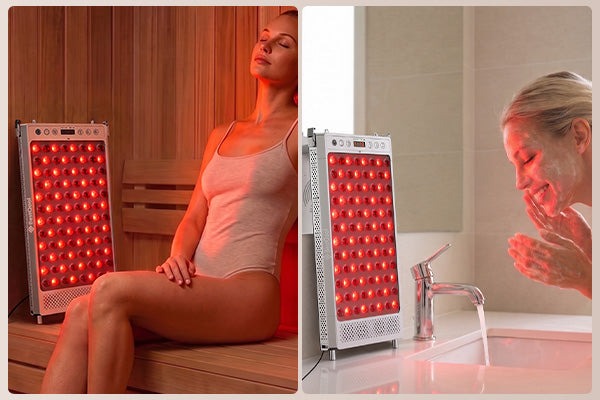
Heat stratifies sharply in a small enclosed room. Mounting below bench height rather than near the ceiling can place a device in air ten to twenty degrees cooler, and every degree of margin gained translates directly into slower degradation. Keeping the unit off the direct line of rising air from the heater matters just as much as the nominal height, since that plume is far hotter than the surrounding air.
Cable Routing and Where the Power Supply Lives
Driver electronics and power supplies are the least heat-tolerant components in any panel, and the correct place for them is outside the hot room entirely. Where a unit permits it, routing the cable through the wall and locating the supply in the adjacent space removes the most vulnerable part from the harshest environment. Cable entries should run downward through the gland so that any condensation follows gravity away from the housing rather than pooling at the seal.
Letting the Room Cool Before and After
One habit extends service life more than any hardware choice: give the unit a chance to reach temperature gradually and to dry out afterward. Switching the panel on before the heater rather than into an already-hot room avoids the sharpest thermal shock, and leaving the sauna door open for a stretch after the session lets residual moisture escape while the enclosure is still warm enough to drive it off. A unit that cools in a sealed humid room condenses internally every single time, which is the mechanism behind most corrosion failures in this setting.
Verifying Before and After Purchase
Because the failure mode here is gradual rather than sudden, verification has to be deliberate rather than reactive. Nobody notices a fifteen percent decline in output on their own.
Questions Worth Asking Before Ordering
Ask for the maximum ambient operating temperature, whether the warranty explicitly covers installation inside a sauna, and whether output figures were measured at room temperature or at the elevated ambient the device is sold for. Vendors who designed for this environment answer all three without hesitation. Vendors who repackaged a general-purpose panel tend to answer the first two vaguely and avoid the third, and that pattern of response is diagnostic. BestQool documents sauna-specific construction for the units it sells into this use case, which is the level of detail worth expecting from any manufacturer making the claim.
Electrical Safety in a Wet Room
One consideration outranks output and longevity together. A sauna combines heat, moisture, and bare skin, which makes any electrical fault considerably more consequential than the same fault elsewhere in a house. Power should reach the unit through a circuit with appropriate residual current protection, and connections should sit outside the wet room wherever the installation allows. Where local regulations govern fixed wiring in a sauna, an electrician handling that portion is worth the cost. This is the one part of the project where improvising is a genuinely poor trade.
Catching Early Degradation
Establish a baseline in the first week: note how the panel looks and feels at a fixed distance, and check periodically for the specific signs that precede failure. Visible clouding or fogging inside a lens means moisture has already breached the enclosure. Flickering as the room reaches temperature indicates driver electronics under thermal stress. Discoloration around emitters or a housing that has begun to deform both mean the unit is being operated beyond its thermal design. Any of these justify removing the device from the sauna before the failure becomes an electrical problem in a wet room rather than an output problem.
Specifying Hardware for a Hostile Room
Combining heat and light is straightforward as a practice and demanding as an installation. The sauna defeats consumer equipment through two compounding mechanisms: thermal stress that reduces output invisibly while shortening component life, and a breathing cycle that drives humid air past seals rated only for splashing. The defenses are specific. Verify the maximum ambient operating temperature rather than an ingress rating alone. Mount below bench height and out of the heater’s rising plume. Put the power supply outside the hot room and route cable entries downward. Establish a baseline early and watch for lens fogging, flicker at temperature, and housing deformation. Equipment selected and installed on those terms will run for years in a room that would quietly degrade a general-purpose panel within a single season, and the difference will never announce itself until someone measures.