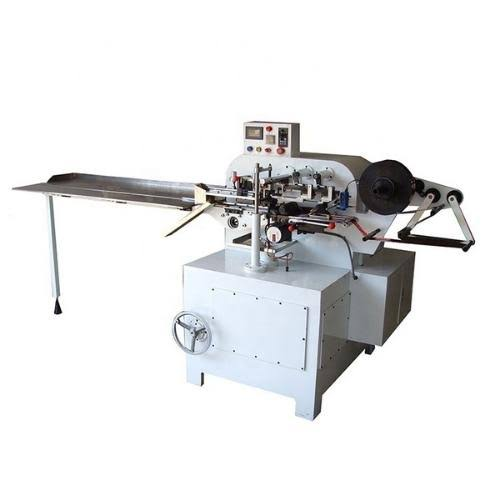

In the vast and interconnected global food supply chain, where products must travel thousands of miles from farms and factories to the tables of consumers, the food packaging machine stands as the guardian that protects product quality, ensures safety, and extends shelf life throughout the journey. This specialized equipment is responsible for the critical task of enclosing food products in protective packaging, creating a barrier against contamination, moisture, oxygen, and physical damage that could compromise the safety and quality of the food. The food packaging machine is not a single technology but rather a diverse category encompassing a wide range of equipment, from form-fill-seal systems and vacuum packaging machines to tray sealers and flow wrappers, each designed to meet the specific requirements of different food products and packaging formats. The industry that designs and manufactures these machines has evolved significantly, with suppliers developing increasingly sophisticated solutions that incorporate advanced materials, intelligent controls, and hygienic design to meet the demanding requirements of food production. The global demand for food packaging machines continues to grow, driven by the increasing global population, the expansion of the processed food industry, the rising consumer demand for convenience foods, and the growing emphasis on food safety and waste reduction. Understanding the capabilities, types, and selection criteria for food packaging machines is essential for food producers, packaging engineers, and business owners who recognize that packaging excellence is fundamental to product quality, food safety, and market competitiveness.
The Diverse Types of Food Packaging Machines
The food packaging machine market offers a diverse range of types and configurations, each designed to meet the specific requirements of different food products, packaging formats, and production volumes, and understanding this diversity is essential to selecting the right equipment for any application. The form-fill-seal machine is one of the most common and versatile types, where the packaging film is formed into a package, filled with product, and sealed in a continuous operation, and these machines are available in vertical and horizontal configurations to accommodate different product types and packaging formats. The vacuum packaging machine removes air from the package before sealing, extending the shelf life of perishable products by reducing oxidation and inhibiting the growth of microorganisms, and this technology is essential for products such as fresh meat, fish, cheese, and prepared meals. The modified atmosphere packaging machine replaces the air inside the package with a controlled gas mixture, typically nitrogen, carbon dioxide, or oxygen, to extend shelf life and maintain product quality, and this technology is increasingly important for fresh produce, meats, and prepared foods where preservation of color, texture, and flavor is critical. The tray sealing machine seals a film lid onto a pre-formed tray, creating a secure package that is ideal for fresh produce, meat, and prepared meals, and these machines offer excellent product presentation and protection. The flow wrapping machine wraps products in a continuous film, creating a pillow-shaped package that is ideal for baked goods, confectionery, and snack products, and these machines offer high-speed operation and excellent product protection. The selection of the appropriate food packaging machine depends on careful analysis of the product characteristics, the required packaging format, the production volume, and the available budget, and working with experienced equipment suppliers is essential to ensuring that the chosen solution meets the specific needs of the application.
The Critical Role of Hygiene and Food Safety
The food packaging machine must operate within strict hygiene parameters to ensure food safety and quality, and the design and construction of these machines reflect the industry’s commitment to clean, sanitary production environments. The use of food-grade stainless steel in the construction of food packaging machines provides exceptional resistance to corrosion and enables thorough cleaning and sanitization, and this material selection is essential to preventing contamination and meeting regulatory requirements. The smooth, crevice-free surfaces of modern food packaging machines prevent the accumulation of food residues that could harbor microorganisms, and these surfaces are designed for easy cleaning with standard sanitation procedures. The sealed and protected areas of the food packaging machine prevent contamination of the product during filling and sealing, with features such as enclosed filling zones and laminar airflow systems creating a barrier between the product and the external environment. The automated clean-in-place capabilities of many food packaging machines enable thorough cleaning without disassembly, reducing labor requirements and ensuring consistent, effective cleaning between batches. The integrated inspection and rejection systems detect and remove defective packages, ensuring that only products meeting quality standards reach the consumer. The hygiene and food safety features of the food packaging machine are essential to product quality and regulatory compliance, and manufacturers who invest in hygienic equipment can achieve significant advantages in product quality and consumer trust.
The Importance of Shelf Life Extension
One of the most important functions of the food packaging machine is to extend the shelf life of food products, enabling them to be transported, stored, and displayed for extended periods while maintaining quality, safety, and nutritional value. The barrier properties of the packaging material, including resistance to moisture, oxygen, and light, protect the product from environmental factors that can cause degradation, and the food packaging machine must be capable of creating hermetic seals that maintain these barrier properties throughout the product’s shelf life. The removal of oxygen through vacuum packaging or the replacement of air with modified atmospheres inhibits the growth of aerobic microorganisms and slows oxidative reactions that can cause spoilage, discoloration, and loss of nutritional value. The control of moisture within the package prevents the growth of mold and bacteria and maintains the texture and appearance of the product. The protection from light, particularly ultraviolet light, prevents the degradation of vitamins, flavors, and colors that can be affected by light exposure. The temperature control during packaging, including hot-fill and cold-fill processes, ensures that the product is packaged at the optimal temperature to maximize shelf life. The shelf life extension capabilities of the food packaging machine are essential to reducing food waste, improving supply chain efficiency, and ensuring that consumers receive products that are fresh, safe, and of high quality.
The Future of Food Packaging Technology
The food packaging machine is poised for significant evolution in the coming years, driven by advances in automation, digital technology, and sustainability that promise to enhance performance, flexibility, and environmental responsibility in food packaging operations. The integration of artificial intelligence and machine learning into food packaging machines is enabling predictive maintenance, where the system learns from operating data to predict potential failures and schedule maintenance before breakdowns occur, reducing costly downtime and extending equipment life. The advancement of intelligent process control systems is enabling real-time optimization of packaging parameters based on feedback from sensors throughout the system, ensuring that every package achieves the desired quality and performance while minimizing waste and maximizing efficiency. The development of flexible, modular food packaging machines that can be easily reconfigured for different products and packaging formats is enabling manufacturers to respond quickly to changing market demands. The increasing emphasis on sustainability is driving the development of food packaging machines that can handle biodegradable and compostable films, reduce energy consumption, and minimize material waste, reflecting the growing importance of environmental responsibility in food packaging. The integration of food packaging machines with broader manufacturing execution systems and supply chain management systems is providing real-time visibility into production performance and enabling more effective coordination of the entire manufacturing and distribution process. The future of the food packaging machine is one of continuous innovation, driven by the needs of food producers for greater efficiency, flexibility, and sustainability, and the companies that embrace these innovations will be well-positioned to lead the industry into the future.