
Replacing a floor can generate more waste than expected. There is the old covering to deal with, packaging from the new one, offcuts and sometimes extra material ordered because the room was not measured properly in the first place. That makes flooring worth planning before the decorating stage begins.
A less wasteful renovation does not depend on finding one supposedly perfect green material. It starts with keeping what still works, choosing a replacement that suits the room and avoiding decisions that could lead to another renovation sooner than necessary. A little planning can reduce unnecessary waste without making the project complicated.
Check Whether the Existing Floor Really Needs Replacing
A tired floor does not always need to come out immediately. Before ordering anything new, look at what is actually wrong with it. Some surfaces may simply need cleaning or a minor repair, while others have damage that makes replacement the more sensible option.
The room itself matters too. A bedroom floor that is still sound may have years of useful life left, even if the colour no longer feels current. A busy kitchen or hallway with damaged flooring presents a different situation because cleaning, moisture and repeated foot traffic have a greater influence on the decision.
Where replacement is necessary and glue-down LVT suits the way the room is used, Urmston Carpets supplies and fits wood, stone, tile and herringbone designs across Manchester.
Starting with the reason for replacing the floor helps separate a genuine household need from the temptation to change a perfectly usable surface simply because decorating trends have moved on.
Choose for the Way the Room Is Used
A floor that suits the room is more useful than one chosen from an environmental claim on its packaging alone. Think about what the surface will actually deal with over the next few years.
Kitchens need straightforward cleaning and a product suitable for regular contact with moisture. Hallways deal with outdoor dirt and concentrated foot traffic. Living spaces may place more emphasis on appearance and comfort. Those differences matter because a product that works well in one part of the house may not be the right choice everywhere.
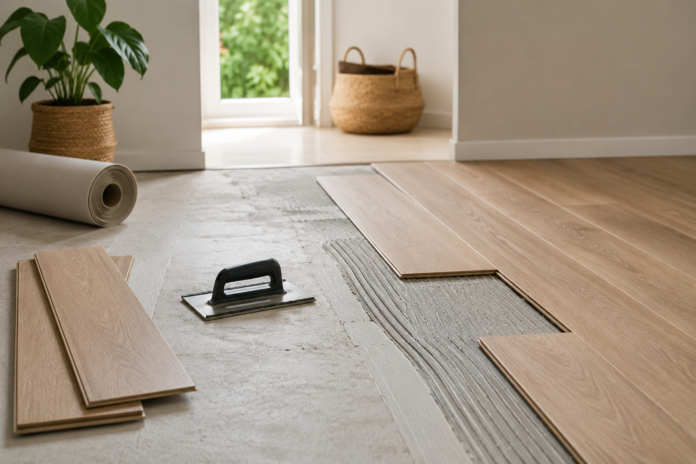
When browsing LVT flooring Manchester ranges, fitting method and room suitability matter just as much as colour and pattern. Glue-down LVT is bonded directly to a prepared subfloor, so the condition of the surface beneath it becomes part of the buying decision rather than something to think about after ordering.
Choosing for actual use can also make trends less important. If the finish still works with the room after the current decorating style changes, there is less reason to replace it purely for appearance.
Measure Before You Order
Accurate measuring sounds obvious, but it becomes more important when trying to avoid unnecessary material. Ordering too much creates surplus that may never be used, while ordering too little can complicate a fitting job that has already started.
The amount required is not always identical to the visible floor area. Room shape, doorways and the chosen layout can affect what the fitter needs, particularly where a pattern is involved. That is why a proper measurement is more useful than simply multiplying the longest width by the longest length and buying from that figure.
It is also worth settling the finish before placing the order. Samples can look different at home once they sit beside existing cabinets, skirting and furniture. Checking them in the actual room can reduce the chance of changing your mind after boxes of flooring have already arrived.
Any usable material left after fitting is worth discussing with the installer rather than automatically treating every offcut as rubbish. If something cannot be kept, check how local services handle building materials before disposing of it, as recycling options vary by material and area.
Make Subfloor Preparation Part of the Plan
The condition beneath a new floor is easy to overlook because none of it will be visible once the renovation is finished. With glue-down LVT, however, preparation is part of the installation itself.
The product is fixed directly to a prepared subfloor, so any levelling or repair work needs to be dealt with before fitting begins.
If the old covering is being removed, use that stage to identify uneven surfaces or repairs that need attention. It is better to understand the condition of the base before the new material is ordered than to discover halfway through the job that additional preparation is required.
This also helps keep the renovation proportionate. Not every room needs extensive work underneath. The preparation should be based on the existing surface and the requirements of the particular flooring rather than a standard list of treatments applied to every home.
Keep Everyday Maintenance Realistic
The environmental side of a renovation does not stop when the fitter leaves. How a floor is looked after can influence how happy a household remains with it and whether cosmetic wear turns into another reason to replace it.
Start with the care instructions for the actual product rather than collecting several specialist cleaners before the floor has even been fitted. Using the recommended method also avoids experimenting with products that may not suit the surface.
Simple habits can help in busy areas. Entrance mats catch some of the dirt brought indoors, while dealing with spillages promptly prevents them from becoming a larger cleaning job later. Neither requires turning floor care into another household project.
The aim is a routine that can realistically be maintained. A surface that only looks good with constant attention may be a poor fit for a household that wants to keep renovation and maintenance demands manageable.
Decide What Happens to the Old Materials
Removing the existing floor is part of the renovation plan too. Disposal options vary by material and area, so check what your council or local recycling facility accepts before the work begins rather than assuming everything belongs in the same skip.
Packaging deserves the same attention. Cardboard and other materials may need separating according to local recycling rules, while flooring offcuts should be dealt with according to the material and the facilities available locally.
If the fitter recommends keeping a small amount of unused flooring for possible future repairs, decide where it can be stored safely rather than throwing it away with the rest of the installation waste.
A less wasteful flooring renovation starts with a few practical decisions. Keep an existing floor when it still does its job, choose the replacement based on how the room is used, measure carefully and prepare properly before fitting. None of this makes a renovation perfectly sustainable, but it can help avoid unnecessary materials, repeat work and replacing the floor again sooner than necessary.