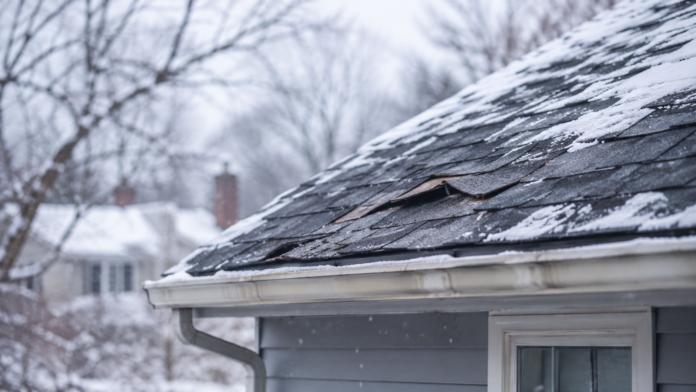

If you suspect your roof is missing one or more shingles, or your home feels a little colder than usual, you might feel worried about the winter weather damaging your property.
As New England is well-known for its harsh winters, it’s natural to worry about heavy snowfall, cold temperatures, and windy conditions placing stress on your roof. After all, these weather conditions could lead to damaged shingles, leaks, condensation, flashing issues, and more.
To protect your property before the colder months arrive, you must identify potential issues inside and outside of your home. Get started by learning about four signs your roof may not make it through a New England winter.
- Curling, Missing, or Cracked Shingles
Relentless exposure to the elements can cause a variety of roof issues over the years. While you might not have noticed one or more damaged shingles on your roof, they could be exposing your home to excess moisture.
This can lead to a variety of potential problems, including:
- Water leaks
- Mold and mildew
- Damp insulation
- Structural issues
- Roof rot
- Electrical safety risks
If your roof is damaged before winter arrives, your home will be more exposed to strong winds, heavy rain, and melting snow. For this reason, it’s essential to arrange a professional inspection and repair from an experienced roofing contractor New Hampshire.
- Roofline Sagging
Next, you must take a step back from your property to assess its roofline. Every home should have an even and rather straight roofline at every angle. However, if you notice that it appears a little uneven or wavy, curves downward, or bows at the edge, it might have one or more problems you might need to address.
Don’t forget to check inside your home for potential signs of roofline sagging, such as fresh drywall cracks or sagging ceilings. Roofline sagging is often due to issues underneath the shingles, which might be due to moisture damage, rotting roof decking, weak rafters, or excess weight.
- Attic Dampness or Dark Spots
Take the time to inspect your attic for dark spots or signs of dampness, which can occur due to excess moisture and poor ventilation. These issues can lead not only to mold growth and poor air quality but also to rot in your roof deck, trusses, and rafters.
Signs of moisture problems in your attic include:
- Dark stains on the trusses, rafters, or underside of the roof deck
- A musty smell
- Damp, flat, or wet insulation
- Visible daylight around the roof deck or flashing
- Gutter Granule Loss
Most homeowners don’t give shingle granules a second thought, but they help protect a property in various ways. For instance, the sandy particles help shield asphalt from the sun’s strong UV rays, preventing brittleness, and they create a protective outer layer to withstand severe weather conditions, such as wind and rain. They even help create a more fire-resistant home.
Over time, the granules will gradually wear away, causing your home’s shingles to age at a quicker rate, making them more susceptible to curling or cracking. As a cold New England winter often offers heavy snowfall, ice, and freeze-thaw cycles, a lack of shingle granules will make your property more susceptible to wear and tear.
Protect your property by checking your gutters for sand-like granules that may have washed off your shingles after heavy rainfall. If in doubt, arrange a professional roof inspection before winter.