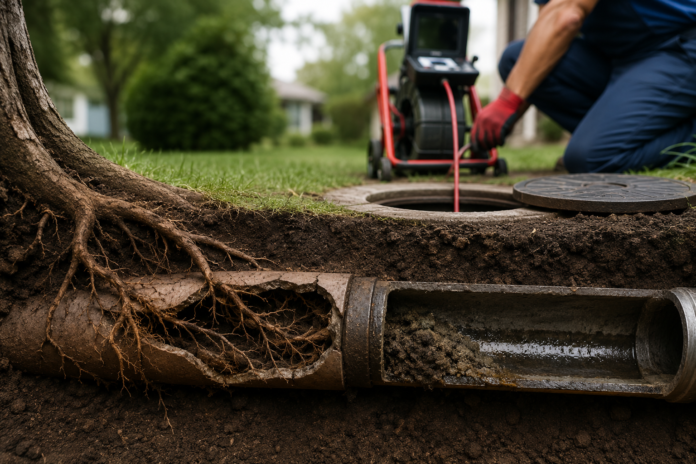

Sewer problems can disrupt a home fast because wastewater cannot leave safely. A slow drain may seem minor, but it can point to a deeper line issue. Homeowners should act early when several fixtures show trouble.
A licensed service like Center Guard Plumbing can help homeowners know when a sewer issue needs professional review. The right response depends on the cause and pipe condition. Read on to learn about the four common sewer problems and ways to address them.
1. Food Waste and Grease Create Tough Clogs
Kitchen waste can collect inside the line after it leaves the sink. Grease can cool in the pipe and hold debris in place. These signs can help homeowners spot a clog before it turns severe.
- Water drains slowly after sink use.
- Gurgling sounds come from drains.
- Bad odor rises near the kitchen drain.
- Water backs up into a tub.
- Several fixtures react at once.
Grease clogs need careful service because harsh chemicals may damage older pipes. A plumber can clear the line, check for residue, and confirm whether the clog sits near the fixture or deeper in the main line. Homeowners can reduce future trouble when fats go in the trash and plates are scraped before dish use.
2. Tree Roots and Ground Pressure Damage Pipes
Tree roots can enter small pipe cracks in search of moisture. Once inside, roots can trap paper and waste until the line loses normal flow. A camera check can show the root location and pipe condition.
Ground pressure can also move or crush older sewer lines. Soil shift, heavy vehicles, and nearby construction can place stress on buried pipe. Repair may require root removal, spot repair, an internal liner, or pipe replacement if damage is serious.
3. Old Pipes and Poor Slope Slow Waste Flow
Older homes may have sewer lines made from materials that crack, corrode, or sag with age. When a pipe loses its shape, waste can sit in low sections and form repeated clogs. A slow main line may return after basic drain service if the pipe structure has failed.
Poor slope can create the same problem even when the pipe has no major break. Wastewater needs a steady pitch to move out of the home. A plumber can measure line grade, inspect the route, and explain repair options.
4. Sewer Backups Need Fast Professional Help
A sewer backup can create a health concern and damage floors, walls, and stored items. Homeowners should avoid added water use until the line has been checked. The main goal is to stop the return flow and find the cause safely.
For urgent sewer concerns, a qualified service like Center Guard Plumbing can be a practical option for line inspection, repair review, and emergency service. The technician should identify whether the cause is a clog, root problem, broken pipe, or city-side issue. Clear findings help the homeowner choose the right repair without guesswork.
Bonus Tip: Prevention Starts With Better Household Habits
Sewer care should begin with daily habits. Small choices can reduce clogs and line stress. These steps can help protect the sewer line between service visits.
- Keep grease out of sink drains.
- Place wipes in the trash.
- Use hair strainers in tubs.
- Learn the sewer cleanout location.
- Schedule a line check after repeat backups.
Preventive habits cannot fix a broken pipe, but they can reduce avoidable clogs. Homeowners should watch for slow drains, sewer odor, soft yard spots, or repeated toilet trouble. A prompt inspection can help catch a line issue before it creates a larger cleanup problem.
Sewer problems can come from grease, roots, old pipe, poor slope, or sudden blockage in the main line. The best response starts with clear signs, safe action, and a professional inspection when the issue affects several fixtures. With proper repair choices and better daily habits, homeowners can protect the sewer system and reduce the chance of repeat trouble.