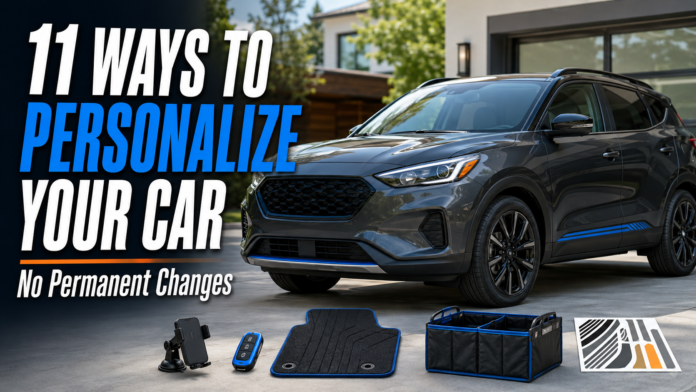

A new vehicle can feel generic when it first leaves the dealership. It may be available in the same color, trim, and configuration as thousands of other cars on the road.
Personalizing it can make every drive feel more familiar, but customization does not have to involve expensive paintwork, major mechanical modifications, or permanent changes. Small, reversible improvements can give a car its own identity while preserving its everyday usefulness.
Here are 11 practical ways to make your vehicle feel more personal.
1. Give Your Car a Name
Naming a vehicle costs nothing, requires no installation, and instantly gives it a more distinct identity.
The name might reflect the car’s color, shape, personality, performance, or purpose. A compact city car could have a cheerful human name, while an off-road SUV might suit a name inspired by mountains, weather, or exploration.
Color is one of the easiest places to begin. For example, owners of light-colored vehicles can browse this collection of names for white cars for ideas covering Jeeps, trucks, SUVs, electric vehicles, sports cars, and different personality styles.
Once you select a name, add it to your phone’s Bluetooth settings or navigation profile. This incorporates the nickname without making a permanent physical change.
2. Choose a Consistent Interior Color Theme
A coordinated interior often looks more intentional than a collection of unrelated accessories.
Begin with the car’s existing upholstery and dashboard colors. Then select one complementary accent color for small items such as:
- Cupholder inserts
- Seat-belt pads
- Storage organizers
- Keychains
- Charging cables
- Tissue holders
- Travel pillows
For a black interior, nearly any accent color can work. Neutral shades create a clean appearance, while red, blue, green, or pink accents introduce more personality.
Limit the theme to one or two accent colors so the cabin does not become visually crowded.
3. Upgrade the Floor Mats
Floor mats serve a practical purpose, but they can also change how finished the interior feels.
All-weather mats are useful for vehicles regularly exposed to mud, snow, rain, sand, or pets. Carpeted mats create a softer look for cars driven mostly in dry conditions.
Choose mats designed for your specific make, model, and year. Properly fitted mats are less likely to move around or interfere with the pedals. Avoid stacking a new driver-side mat on top of an existing one.
4. Create a Better Storage System
Organization is a form of personalization because it adapts the vehicle to your daily routine.
A parent may need containers for wipes, snacks, and children’s items. A commuter might prioritize charging cables, sunglasses, toll accessories, and work equipment. An outdoor enthusiast may want a trunk organizer for boots, flashlights, and emergency supplies.
Useful removable organizers include:
- Center-console trays
- Seat-gap storage pockets
- Collapsible trunk bins
- Back-seat organizers
- Cargo nets
- Small trash containers
Select accessories that solve a real problem rather than filling every empty space.
5. Improve the Cabin Scent Carefully
Scent can become part of a vehicle’s identity, but subtlety matters. An overpowering fragrance can make passengers uncomfortable and may mask odors that should be cleaned at their source.
Begin by vacuuming the upholstery, removing trash, and cleaning frequently touched surfaces. Then choose a mild fragrance you genuinely enjoy.
Fresh linen, citrus, cedar, vanilla, and light ocean scents are popular starting points. Avoid combining several air fresheners because the result can become overwhelming.
If you regularly carry passengers, consider a neutral scent or a fragrance-free cabin.
6. Build a Road-Trip Playlist
A personalized driving playlist creates atmosphere without changing anything physical inside the vehicle.
You could build separate playlists for:
- Morning commuting
- Evening driving
- Long highways
- Weekend trips
- Relaxed cruising
- Family travel
- Energetic drives
Download important playlists before traveling through areas with unreliable service. Keep the volume at a level that allows you to hear traffic, emergency vehicles, and possible mechanical warning sounds.
7. Add Removable Exterior Accents
Exterior personalization does not always require permanent paint or bodywork.
Removable options may include magnetic badges, license plate frames, temporary decals, or valve-stem caps. These details can reflect a favorite color, hobby, sports team, travel destination, or personal style.
Before applying anything, confirm that it is compatible with the vehicle’s surface. Keep stickers and accessories away from windows, cameras, lights, sensors, and registration information.
Subtle accents usually age better and are easier to remove when tastes change.
8. Upgrade the Key Setup
The key is one part of the vehicle you may handle every day. A distinctive keychain or protective fob cover can make it easier to identify while expressing some personality.
Choose an accessory that is:
- Easy to grip
- Comfortable in a pocket
- Not excessively heavy
- Unlikely to scratch nearby surfaces
- Compatible with the key’s buttons and emergency release
A matching keychain can also reinforce the car’s name or interior color theme.
9. Assemble a Personalized Emergency Kit
Personalization can be practical as well as decorative. A properly organized emergency kit should reflect where you live and how you use the vehicle.
Possible items include:
- Flashlight and spare batteries
- First-aid supplies
- Reflective warning equipment
- Phone-charging battery
- Work gloves
- Tire-pressure gauge
- Blanket
- Drinking water
- Basic cleaning supplies
- Seasonal clothing
Cold-weather drivers may need an ice scraper and additional warm layers. People traveling through hot or remote regions may prioritize water, sun protection, and backup charging.
Store the kit securely so items do not become loose objects during sudden stops.
10. Set Up Driver Profiles and Display Preferences
Many newer vehicles allow drivers to customize seat positions, mirrors, audio settings, navigation preferences, ambient lighting, or dashboard displays.
Review the available settings instead of leaving everything in its factory configuration. Small adjustments can make the car feel noticeably more comfortable.
If the vehicle supports multiple driver profiles, create separate configurations for household members. Give each profile a clear name and test that safety-related alerts remain active.
Consult the owner’s manual before changing unfamiliar driver-assistance settings.
11. Keep One Signature Detail
A vehicle does not need dozens of accessories to feel personal. One recognizable detail can be more memorable than a heavily decorated interior.
Your signature detail might be:
- A carefully chosen car name
- One accent color
- A distinctive keychain
- A small dashboard keepsake
- A custom playlist
- A tasteful license plate frame
- A particular cabin scent
Choosing one focal point helps the car feel personal without becoming cluttered.
Personalization Mistakes to Avoid
Before buying an accessory, consider whether it affects visibility, safe vehicle operation, or passenger comfort.
Avoid objects that can obstruct the windshield, block airbags, interfere with pedals, cover cameras or sensors, or become dangerous projectiles. Be cautious with electrical accessories that draw power continuously.
It is also worth checking local requirements before adding window tint, license plate covers, exterior lighting, or windshield-mounted items. Rules can differ by location.
Finally, keep original components whenever possible. If you later sell the car, being able to restore its standard appearance can make the process simpler.
Final Thoughts
Personalizing a vehicle is not about adding as many accessories as possible. It is about creating an environment that reflects your taste and supports the way you drive.
Start with one or two reversible improvements. Give the car a memorable name, coordinate the interior, organize the items you use most often, or build a playlist for the road.
The best customization is the kind you notice and appreciate every time you get behind the wheel.
READ ALSO: Top 5 Exotic Cars to Rent for a Luxury Phoenix Weekend