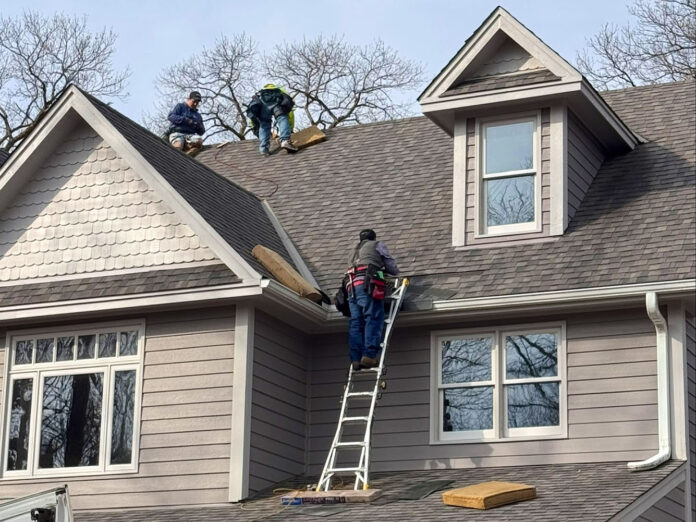

Roofing systems in Minnesota are shaped by constant environmental pressure. Snow accumulation, ice formation, and rapid temperature swings all influence how materials perform over time. These conditions rarely cause immediate failure, but they steadily weaken shingles, flashing, and underlayment until issues become visible indoors.
From a practical standpoint, the role of a roofer in Minnesota is closely tied to understanding how these seasonal forces interact. Winter often creates hidden stress points that only reveal themselves in spring and summer. Water intrusion, for example, may begin with small ice dam effects that slowly expand into larger structural concerns. Krumm Exteriors frequently approaches these situations by focusing on how weather cycles contribute to long-term roof performance rather than isolated incidents of damage.
What Homeowners Notice First
Most roofing concerns begin with subtle changes that are easy to overlook. A few missing shingles, light staining on ceilings, or slight drafts in upper rooms often serve as early indicators. These signs do not always point to immediate failure, but they suggest that the roofing system is under strain.
In many cases, homeowners only recognize the full extent of a problem after a major weather event exposes weaknesses that were already developing. This is where experience with regional conditions becomes important. A roofer must evaluate not just visible damage, but also the hidden pathways where moisture may be entering and spreading.
Krumm Exteriors typically evaluates both exterior surfaces and interior indicators to determine whether damage is recent or part of a longer deterioration process. This approach helps separate surface-level issues from deeper structural concerns that require more comprehensive repair.
How Weather Shapes Roofing Decisions
Minnesota weather creates a wide range of roofing challenges throughout the year. Heavy snow loads place pressure on roof structures, while freeze-thaw cycles create repeated expansion and contraction that loosen materials over time. Wind exposure can lift shingles and compromise seal integrity, especially on older roofs.
These conditions influence how repairs and replacements are planned. A roofer must account for both immediate damage and the likelihood of future stress in the same areas. Repair decisions often involve balancing short-term fixes with long-term durability to ensure the roof can withstand upcoming seasonal shifts.
Krumm Exteriors evaluates these factors during inspections, focusing on how different weather patterns have impacted the roof over time rather than treating each issue as an isolated event.
Choosing the Right Approach to Repairs
Roof repair strategies vary depending on the extent of damage and the age of the structure. In some cases, targeted repairs such as shingle replacement or flashing reinforcement may be sufficient. In others, broader system issues like ventilation problems or underlayment failure require more extensive work.
A reliable repair approach considers how each component interacts with the rest of the roofing system. Addressing only visible damage can leave underlying issues unresolved, leading to repeated repairs in the same areas. This is why thorough inspection plays a central role in determining the right course of action.
Krumm Exteriors often focuses on identifying the root cause of damage before recommending repair solutions. This helps ensure that work completed on the roof supports long-term stability rather than temporary improvement.
Preventive Care and Long-Term Roof Performance
Preventive maintenance is one of the most effective ways to extend roof life in Minnesota’s climate. Regular inspections help identify early signs of wear before they develop into larger structural issues. Clearing debris from gutters, checking flashing points, and monitoring attic conditions all contribute to overall roof health.
Ventilation also plays a key role in preventing moisture buildup. Poor airflow can accelerate material breakdown and increase the likelihood of ice dam formation during winter months. When these factors are addressed consistently, roofing systems tend to perform more reliably across seasonal changes.
Krumm Exteriors emphasizes the importance of ongoing maintenance as part of long-term roofing care. Small adjustments made early often reduce the need for major repairs later.
Conclusion
Roofing systems in Minnesota face continuous environmental stress that shapes how damage develops and how repairs are approached. Snow, ice, wind, and temperature fluctuations all contribute to gradual wear that becomes more noticeable over time.
A Minnesota roofer must account for these conditions when evaluating both repair needs and long-term roof performance. Krumm Exteriors works within this environment by focusing on structural durability, early detection, and repair strategies that align with regional weather demands. When these elements are considered together, roofing systems are better equipped to handle the challenges of each season.