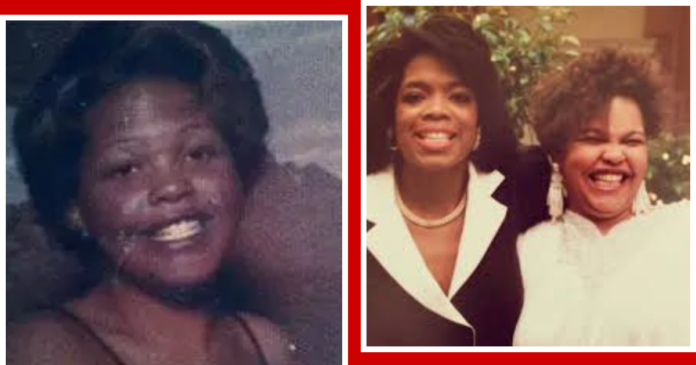

Patricia Lee Lloyd remains largely unknown despite being the half-sister of one of the world’s most famous women, Oprah Winfrey. Born to Vernita Lee in 1959, Patricia Lee Lloyd died on February 19, 2003, at age 43 from an Oxycodone overdose. Her life was marked by a battle with cocaine addiction and prescription drug dependency, struggles that persisted despite Oprah Winfrey’s efforts to support Patricia Lee Lloyd through rehabilitation. Understanding how Patricia Lee Lloyd died and the circumstances surrounding her cause of death sheds light on a painful chapter in Oprah’s family history.
Who Was Patricia Lee Lloyd?
Born to Vernita Lee in 1959
Vernita Lee gave birth to Patricia Lee Lloyd on June 3, 1959, in Milwaukee, Wisconsin. She shared the same mother with Oprah Winfrey but had a different father, creating a half-sibling relationship that would define much of her adult identity. Patricia spent her entire life as a Wisconsin resident, growing up in Milwaukee where Vernita Lee worked cleaning homes to support her family.
The circumstances of Patricia’s childhood reflected the economic realities facing Vernita Lee. Young and financially unstable when bearing her children, Vernita struggled to provide a stable environment. Patricia lived with her mother in Milwaukee throughout her formative years, experiencing a very different upbringing from her famous half-sister. While Oprah moved between homes and eventually settled with her father in Tennessee, Patricia remained rooted in Wisconsin.
Oprah Winfrey lived on and off with the Lee household during parts of her childhood before eventually leaving Milwaukee to live with her father. This sporadic contact meant the two half-sisters spent most of their lives apart, creating a relationship built more on biological connection than shared experiences. The separation between Patricia and Oprah stemmed from poverty and circumstance rather than choice, setting the foundation for a bond that would prove complicated in later years.
Half-Sister to Oprah Winfrey
Patricia Lee Lloyd’s significance in public discourse arose not from celebrity but from contrast. Two sisters born to the same mother saw their adult lives diverge dramatically. While Oprah’s trajectory took her to global fame and unprecedented success in media, Patricia’s path remained grounded in Wisconsin, focused on marriage and raising her family.
The sisters reconnected later in life rather than maintaining continuous contact from childhood. Their relationship carried emotional weight but remained structurally distant throughout Patricia’s lifetime. This dynamic shaped how they interacted as adults, with geography, lifestyle differences, and personal struggles creating barriers between them.
A Life Away From the Spotlight
Patricia Lee Lloyd deliberately maintained distance from celebrity culture throughout her adult life. She married Kenny Lloyd Sr. and focused on raising two daughters, building a life centered on family rather than fame. For the most part, she avoided public attention, never giving interviews, maintaining public platforms, or seeking recognition through her association with Oprah.
Her early years remain sparsely documented precisely because she chose privacy. Patricia did not want the spotlight and had no desire for public attention. What she wanted was straightforward: to live her life, raise her children, and maintain closeness with family on her own terms.
This commitment to privacy makes Patricia Lee Lloyd’s life exemplify the experience of many private citizens whose personal struggles and triumphs never reach public view. She was a wife and mother first, and these roles defined her daily existence. Patricia represented a fully-fledged human being whose identity existed independently of her famous half-sister, choosing to live without the scrutiny that accompanied the Winfrey name.
Early Life and Family Background
Growing Up With Vernita Lee
Vernita Lee spoke publicly about the complexities of early motherhood, acknowledging financial instability and difficult decisions that shaped how she raised her children. Young and working as a maid in Milwaukee, Vernita faced economic pressures that influenced every aspect of her household. Patricia Lee Lloyd grew up in this environment, living with her mother in the city where Vernita cleaned homes to earn a living.
The household Patricia knew contrasted sharply with the rural Mississippi farm where Oprah spent her earliest years. When Oprah joined the Milwaukee household at age 6, she moved into a rented room where Vernita lived, reportedly sleeping in a small foyer area. Patricia was already part of this cramped living situation. As a result, the sisters shared physical space during certain periods, yet their paths diverged almost immediately.
Vernita’s work schedule as a maid meant long hours away from home. She juggled odd jobs while moving on and off welfare, struggling to provide adequate care for the children under her roof. Patricia witnessed these struggles firsthand throughout her formative years, experiencing the instability that defined Vernita’s attempts at single motherhood in Milwaukee.
Separated Childhoods: Patricia and Oprah’s Different Paths
Oprah’s childhood followed a pattern of constant movement between households. Raised primarily by her maternal grandmother, Hattie Mae Lee, on a farm in Mississippi during her first six years, Oprah then moved to Milwaukee where her mother lived with Patricia. This arrangement proved temporary. Oprah was sent back and forth between her mother in Milwaukee and her father Vernon Winfrey in Tennessee, creating a fractured childhood experience.
By comparison, Patricia remained rooted in Milwaukee throughout her youth. While Oprah moved between states and households, Patricia stayed with Vernita, experiencing a different kind of instability centered on economic hardship rather than geographic displacement. In her teenage years, Oprah moved to live with Vernon full-time in Tennessee, ending the back-and-forth pattern but also severing regular contact with Patricia.
This separation meant Patricia Lee Lloyd and Oprah Winfrey saw each other sporadically during their growing years. The sisters shared a mother but not a shared childhood in any meaningful sense. Patricia’s early years remain sparsely documented precisely because she grew up away from Oprah and did not share in her sister’s later success or support network during these formative years.
The Winfrey Family Dynamic
The family structure created by circumstance rather than design shaped how Patricia and Oprah related to one another throughout their lives. Patricia and Oprah shared the same mother but were raised separately for significant portions of their childhoods. This separation created a sibling relationship that was emotionally real yet structurally distant.
Vernita’s decisions about where each child would live stemmed from practical concerns about money and stability. She could not provide equally for all her children simultaneously, leading to the divided household arrangement. Oprah eventually found stability with her father in Tennessee, while Patricia continued living with economic uncertainty in Milwaukee.
In essence, the bond between the half-sisters was reconnected later in life rather than built from shared childhood experiences. They knew of each other, encountered each other periodically, but never developed the closeness that comes from growing up together under the same roof year after year. This dynamic established a relationship foundation that would prove complicated when adult challenges, in particular Patricia’s struggles with addiction, tested whatever connection they had maintained across the distance.
Patricia Lee Lloyd and Oprah Winfrey: The Sibling Relationship
A Bond Shaped by Distance
The relationship between Patricia Lee Lloyd and Oprah Winfrey was strained and emotionally complex throughout their adult lives. Despite sharing the same mother, the sisters never developed the closeness that typically defines sibling bonds. Their connection existed more as biological fact than lived experience, shaped by years of physical separation and vastly different life circumstances.
Geographic distance reinforced the emotional gap between them. Patricia remained in Milwaukee while Oprah built her career elsewhere, creating a relationship that existed primarily through sporadic contact rather than consistent presence. The sisters knew each other but operated in entirely separate worlds. This distance would prove significant when adult conflicts tested whatever fragile connection they maintained.
The National Enquirer Betrayal in 1990
Patricia Lee Lloyd sold a deeply personal family secret to The National Enquirer in 1990, fundamentally altering her relationship with Oprah Winfrey. Patricia sat in a room, told the story of Oprah’s teenage pregnancy, and left their offices $19,000 richer. The tabloid published details that Oprah had given birth at age 14 to a baby who died weeks later in the hospital.
Oprah’s reaction was immediate and visceral. “I took to my bed and cried for three days. I felt devastated. Wounded. Betrayed. How could this person do this to me?”. Stedman Graham found her in a darkened bedroom that Sunday afternoon, handing her the tabloid while looking like he had shed tears himself.
For 20 years, Oprah had kept this secret, sharing it only with family and closest friends. She feared public judgment and imagined strangers pointing fingers at her on the street. The betrayal cut deep precisely because it came from family, exposing a painful chapter Oprah had chosen to keep private.
This breach of trust created a wound between the sisters that time never fully mended. Patricia’s decision to profit from Oprah’s pain left lasting damage to their relationship.
Oprah’s Support Through Rehabilitation Attempts
Despite their fractured bond, Oprah did not abandon Patricia Lee Lloyd. She privately financed multiple rehabilitation attempts for her half-sister, demonstrating familial responsibility rather than public performance. These interventions reflect a complicated love marked by both obligation and injury.
Oprah’s support illustrates a difficult truth about addiction: access to resources does not guarantee recovery. Patricia Lee Lloyd struggled with cocaine and prescription drug dependency, entering rehabilitation programs more than once. The family attempted intervention rather than abandonment, yet Patricia’s illness persisted.
Unresolved Wounds and Silent Grief
Oprah Winfrey never reconciled with Patricia Lee Lloyd before her death in 2003. The betrayal from 1990 remained an open wound, unhealed by time or circumstance. Patricia died without the sisters finding peace between them.
Oprah rarely addresses Patricia’s death publicly, a silence that speaks volumes. For someone whose career was built on vulnerability and sharing, this absence reveals pain too great for public consumption. The grief surrounding family betrayal, addiction, and estrangement remains private. Patricia Lee Lloyd’s death represents a loss complicated by unresolved conflict, a relationship that ended before repair could begin.
Patricia’s Battle With Addiction and How She Died
Cocaine and Prescription Drug Dependency
Patricia Lee Lloyd battled cocaine addiction and prescription drug dependency for a significant portion of her adult life. The substances that dominated her struggle included cocaine and Oxycodone, a prescription opioid that would ultimately claim her life. Substance use disorder of this kind is a chronic medical condition, not a character flaw.
Patricia’s case reflected a broader crisis affecting Americans who struggled with access to consistent treatment and recovery support during the late 1990s and early 2000s. Her addiction did not develop overnight. Rather, it often begins with pain, loneliness, stress, or emotional wounds that become unbearable to carry alone.
Multiple Rehabilitation Attempts
Oprah reportedly placed Patricia in rehabilitation programs on multiple occasions. Each attempt represented hope for recovery, yet each relapse demonstrated the clinical reality that recovery from opioid and stimulant addiction is rarely linear. These efforts reflect a family attempting intervention rather than abandonment.
The rehabilitation attempts Patricia Lee Lloyd underwent highlight a difficult truth: addiction resists simple solutions, even when love and financial support are present. Despite Oprah’s resources and access to the finest treatment facilities, Patricia’s illness persisted. This was not a failure of love but a statement of the strength and persistence of substance use disorder.
Patricia Lee Lloyd Cause of Death: The 2003 Overdose
Patricia Lee Lloyd died in her home in New Berlin, Wisconsin, in February 2003. Her husband, Kenny Lloyd, discovered her body early Wednesday morning. She was 43 years old. The coroner determined her cause of death as an overdose of Oxycodone.
Lieutenant David Dunn stated that the cause of death was not immediately known, with authorities looking at all possibilities but finding no indication of criminal activity. Two daughters and her husband survived her. The circumstances of her death highlight the relentless nature of substance use disorder and the limitations of even well-resourced support systems.
Understanding Addiction as a Chronic Illness
Addiction is a chronic brain disorder, not a result of lacking willpower or making bad decisions. Studies show that genetic factors are responsible for 40% to 60% of the vulnerability to any substance use disorder. Patricia’s story demonstrates that addiction does not discriminate, affecting families regardless of wealth and fame.
No amount of financial support guarantees recovery. Brain changes from chronic drug or alcohol use can persist years after a person quits, which explains why individuals risk relapse even after long periods of abstinence.
Patricia’s Personal Life: Marriage, Motherhood, and Legacy
Marriage to Kenny Lloyd Sr.
Kenny Lloyd Sr. stood by Patricia Lee Lloyd during years marked by difficulty and struggle. Their marriage endured through her battles with substance dependency, demonstrating commitment that extended beyond the public narrative of addiction and celebrity connection. He remained present when many would have walked away, discovering her body on that February morning in 2003.
Her Two Daughters
Patricia raised two daughters, Alisha and Chrishaunda. She loved them deeply, caring for them even when addiction made daily life challenging. Her daughters witnessed their mother’s struggles firsthand, yet they also learned resilience from watching her fight. Patricia tried repeatedly to keep her family together despite the weight of her illness.
The role she played as mother remained real throughout her life, existing alongside rather than erased by her struggles. Many mothers battle internal pain while working to provide love and stability for their children. Patricia was one of them.
Life Beyond Addiction
Patricia Lee Lloyd maintained family ties and parental responsibilities despite ongoing challenges. Addiction coexisted with her familial love and commitment rather than replacing it. Her identity extended far beyond her illness or her connection to a famous sibling.
She was a wife, mother, daughter, and sister who tried again and again to find a better path. Public records confirm she built a family of her own, creating a life that deserves recognition independent of tragedy or celebrity association.
Lessons From Patricia’s Story
Patricia’s life teaches compassion and patience. It reminds observers to look at people with softer eyes, recognizing that everyone faces battles hidden from public view. Her story matters because it reflects what many families experience when loving someone they cannot save. She represents the human side of addiction, showing that illness exists within real relationships and genuine family bonds.
Conclusion
Patricia Lee Lloyd’s story reveals the human complexity behind addiction and fractured family bonds. Undoubtedly, her life mattered beyond tabloid betrayal and substance dependency. She was a wife, mother, and woman who fought battles most people never witnessed. Her death at 43 serves as a reminder that addiction remains a chronic illness requiring compassion rather than judgment.
For those facing similar struggles within their own families, Patricia’s story offers an important lesson: recovery cannot be forced, regardless of available resources. Love and financial support matter, but ultimately, addiction follows its own relentless path. Her legacy deserves recognition as a complete human being, not merely a cautionary tale.
Also Read: James Lamarr Markey
FAQs
Q1. What was Patricia Lee Lloyd’s relationship to Oprah Winfrey?
Patricia Lee Lloyd was Oprah Winfrey’s half-sister. They shared the same mother, Vernita Lee, but had different fathers. Born in 1959 in Milwaukee, Wisconsin, Patricia spent most of her life separated from Oprah due to their different upbringings and life paths.
Q2. How did Patricia Lee Lloyd die?
Patricia Lee Lloyd died on February 19, 2003, at the age of 43 from an Oxycodone overdose. Her husband, Kenny Lloyd Sr., discovered her body at their home in New Berlin, Wisconsin. The coroner determined the cause of death was an overdose of the prescription opioid.
Q3. Did Oprah Winfrey try to help Patricia with her addiction?
Yes, Oprah privately financed multiple rehabilitation attempts for Patricia, who struggled with cocaine and prescription drug dependency. Despite Oprah’s financial support and access to treatment facilities, Patricia’s addiction persisted, demonstrating that recovery cannot be guaranteed regardless of available resources.
Q4. What happened between Patricia and Oprah in 1990?
In 1990, Patricia sold a deeply personal family secret to The National Enquirer for $19,000, revealing that Oprah had given birth at age 14 to a baby who died weeks later. This betrayal devastated Oprah, who had kept this secret private for 20 years, and created a lasting wound in their relationship that was never fully healed before Patricia’s death.
Q5. Did Patricia Lee Lloyd have a family of her own?
Yes, Patricia was married to Kenny Lloyd Sr. and had two daughters, Alisha and Chrishaunda. She focused her life on raising her family in Wisconsin, deliberately staying away from the public spotlight and maintaining her privacy despite her connection to Oprah Winfrey.