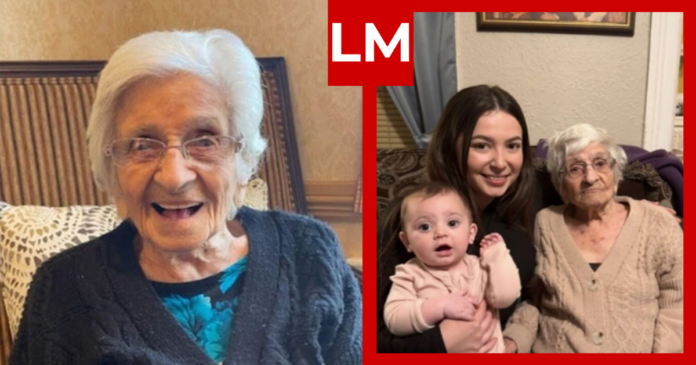

Juanita Saldívar is widely recognized as the mother of Yolanda Saldívar, the woman convicted of killing Selena Quintanilla in 1995. While this may be true, her life extended far beyond this tragic association. Born in 1925 in Cotulla, Texas, she lived to the remarkable age of 99, passing on December 31, 2024. Frank and Juanita Saldívar raised 7–8 children, including Yolanda as the youngest. This article explores her early life, family values, the impact of the Selena case, and her legacy as a devoted matriarch.
Who Is Juanita Saldívar? The Woman Behind the Headlines
Born in Cotulla, Texas in 1925
Juanita Saldívar entered the world on April 3, 1925, in Cotulla, Texas, a small rural town situated in the heart of South Texas. This period marked an era when Mexican-American families navigated considerable economic hardship and limited educational opportunities. The region’s agricultural economy shaped daily life, and service work provided stability for many households.
Her childhood unfolded in Cotulla before she spent formative years in Los Garza, Nuevo Leon, Mexico. This cross-border upbringing gave her a dual cultural perspective that would later define her approach to family life. Growing up during the Great Depression meant that survival and family unity took precedence over personal ambition. These early experiences with scarcity and hard work instilled values that remained with her throughout her 99 years of life.
A Traditional Mexican-American Matriarch
Juanita Saldívar embodied the role of a devoted Mexican-American homemaker, dedicating her life to traditional family values[22]. Her identity centered on creating a stable household where cultural heritage met daily responsibility. Catholic faith formed the foundation of her worldview, influencing how she approached parenting, marriage, and community relationships.
She married Frank Saldívar, who worked as a head waiter in a Mexican restaurant located in San Antonio’s West End. Their partnership reflected the working-class Mexican-American lifestyle common during the mid-20th century. Stability came through discipline, shared responsibility, and long-term commitment to family structure. Frank and Juanita Saldívar built a household that prioritized cultural traditions over material wealth.
Her parenting style emphasized discipline, respect for elders, and strong family unity[22]. These values were not merely taught but lived daily through structured routines and religious practices. The household operated with clear expectations about behavior, responsibility, and moral guidance. She focused on building an environment where children understood their place within the broader family tree and the importance of maintaining connections across generations.
Known as Yolanda Saldívar’s Mother
Public recognition came to Juanita Saldívar primarily through her association with her youngest daughter, Yolanda, born in 1960. Prior to the events of 1995, she lived a private, faith-centered life largely unknown outside her immediate community. Her existence revolved around domestic duties, church activities, and maintaining family bonds rather than seeking public attention.
The conviction of Yolanda for killing Tejano music icon Selena Quintanilla thrust Juanita into an unwanted spotlight. Her name became linked to one of the most notorious crimes in music history. However, her response demonstrated the same loyalty and family commitment that had defined her entire life. She stood by her daughter during the trial, embodying the unwavering maternal devotion that characterized her approach to all her children.
Her story gained public attention due to these tragic circumstances, yet she remained a figure of quiet resilience throughout. The media scrutiny that followed did not alter her fundamental nature. She continued to prioritize family loyalty and traditional values even when facing public judgment. This steadfast commitment to her role as mother and matriarch defined her legacy beyond the headlines that temporarily surrounded her name.
Early Life and Family Background of Juanita Saldívar
Growing Up in South Texas
The rural landscape of South Texas shaped Juanita Saldívar’s formative years in ways that extended beyond simple geography. Cotulla represented a community where Mexican-American families maintained cultural identity while adapting to American economic realities. Agricultural work dominated the region’s economy, and service positions provided the most reliable income streams for families seeking stability.
Her childhood during the 1920s and 1930s meant confronting limited educational opportunities that were common for Mexican-American children in rural Texas. Schools often prioritized English-speaking students, and many families needed children to contribute to household income rather than pursue extended education. This environment cultivated practical skills over academic achievement. The emphasis on family responsibility, respect for elders, and cultural preservation became survival mechanisms as much as values.
Marriage to Frank Saldívar
The union between Juanita and Frank Saldívar created a partnership built on shared economic necessity and cultural understanding. Frank’s position as a head waiter in a Mexican restaurant in San Antonio provided steady employment during an era when job security remained uncertain for many Mexican-American workers. His income supported the household while Juanita managed domestic responsibilities.
Their marriage reflected broader patterns within working-class Mexican-American communities, where couples pooled resources and divided labor according to traditional gender roles. Frank handled financial provision through his restaurant work, while Juanita maintained the home and raised their children. This division created a functional system that allowed both partners to fulfill culturally expected roles. The partnership lasted decades, demonstrating the commitment to long-term family stability that characterized their generation’s approach to marriage.
Building a Large Family in San Antonio
The transition from Cotulla to San Antonio marked a significant shift for the Saldívar family tree. San Antonio offered more economic opportunities than rural South Texas, and the city’s substantial Mexican-American population provided cultural continuity. Raising seven to eight children in this urban environment required careful financial management and organizational discipline.
The household operated on modest means, with Frank’s waiter income supporting a large family. Juanita’s role expanded beyond typical maternal duties to include budgeting, meal planning for multiple children, and coordinating household routines that kept daily life functioning smoothly. Each child received guidance on responsibility, discipline, and maintaining family bonds that connected them to their Mexican-American heritage. Yolanda Saldívar, born in 1960, arrived as the youngest, experiencing the family structure her older siblings had helped establish.
Juanita Saldívar Age and Life Timeline
The span of Juanita Saldívar’s life covered nearly a century of American history. Born on April 3, 1925, she witnessed the Great Depression, World War II, the civil rights movement, and the digital age. Her death on December 31, 2024, at age 99, marked the end of a life that bridged vastly different eras of American and Mexican-American experience.
This timeline placed her child-rearing years primarily during the 1940s through 1970s, when traditional family structures remained culturally dominant. By the time Yolanda reached adulthood in the 1980s, juanita saldívar age had reached her sixties, and she had already spent decades establishing the values and expectations that defined the family’s identity. The relationship between frank and juanita saldívar spanned most of the 20th century, creating a family legacy that would become publicly scrutinized only in its later chapters.
Life as a Mother: Frank and Juanita Saldívar’s Household
Raising Seven to Eight Children
Managing a household with seven to eight children required dedication, resourcefulness, and constant balance amid modest means. The marriage to Frank Saldívar and the arrival of their many children marked Juanita Saldívar’s defining milestone. This chapter solidified her role as the family’s emotional core. San Antonio’s blue-collar environment demanded that both parents contribute to stability, with Frank providing income through his restaurant position while Juanita orchestrated the domestic sphere.
The parenting style reflected traditional Mexican-American values that emphasized discipline, respect for elders, and strong family unity. Her approach was firm yet caring, ensuring that children understood their responsibilities within the family tree. She focused on building moral character rather than permissive indulgence. Each child received consistent guidance about behavior expectations, household contributions, and maintaining connections with siblings. The emphasis on sibling bonds created a network of support that extended beyond childhood.
Traditional Values and Daily Routines
Daily life revolved around structured household routines, religious practices, and cultural expectations. Like many homemakers of her generation, she focused on building a stable environment where children could grow with moral guidance and a sense of responsibility. Morning schedules included preparing meals for a large family, coordinating school preparations, and managing the logistics of multiple children’s needs.
Household duties formed the backbone of her daily existence. Meal planning, cleaning, and childcare occupied most hours, yet she maintained these tasks without complaint. The routines were not simply about survival but about instilling work ethic and family cooperation. Children participated in household responsibilities, learning practical skills alongside values about contributing to collective well-being.
Yolanda as the Youngest Child
Yolanda Saldívar, born in 1960, arrived as the family’s youngest member. Her position meant she grew up in an already-established household structure shaped by older siblings and years of parental experience. By the time yolanda saldívar date of birth occurred, juanita saldívar age had reached her mid-thirties, and she had refined her parenting approach through raising multiple children.
The youngest child often experiences family dynamics differently than older siblings. Yolanda witnessed the established patterns, traditions, and expectations that defined frank and juanita saldívar’s household philosophy. The bond between juanita saldívar yolanda saldivar demonstrated unwavering loyalty that would later become evident during difficult times.
Faith-Centered Family Lifestyle
Faith played a major role in the household’s foundation. Juanita Saldívar followed strong Catholic traditions that influenced her decisions, values, and approach to family life. Religious practices shaped daily routines through prayer, church attendance, and spiritual guidance. Her beliefs emphasized forgiveness, moral discipline, and acceptance of life’s challenges through spiritual strength.
She embraced a simple, faith-driven lifestyle centered on home, family, and religious practices. The focus remained on spiritual wealth rather than material excess. This perspective created a household atmosphere where children learned that moral character mattered more than possessions. Religion also provided the framework for handling stress and maintaining stability across generations.
The Selena Case: How Tragedy Changed Everything
The 1995 Murder and Arrest
On March 31, 1995, Yolanda Saldívar shot Selena Quintanilla-Pérez with a .38-caliber revolver at a Days Inn motel in Corpus Christi. The bullet struck the singer in the back, severing an artery. Selena managed to run to the lobby, where she collapsed after identifying Yolanda as her attacker. She was pronounced dead at the hospital an hour later. Following the shooting, Yolanda locked herself in a vehicle and held police at bay during a nine-hour standoff. She sobbed to negotiators, claiming she didn’t mean to kill anyone. The arrest marked the beginning of a nightmare for frank and juanita saldívar and their entire family.
Standing By Her Daughter During the Trial
The trial moved to Houston after defense attorneys successfully argued that Yolanda could not receive a fair trial in Selena’s hometown. Proceedings began with jury selection on October 9, 1995, and continued through opening statements on October 12. Juanita saldívar attended court proceedings alongside Frank and several of their other six children. During the sentencing phase on October 25, Frank took the stand and told jurors it was his 69th birthday. When asked about his relationship with Yolanda, he burst into tears and said, “That’s our baby girl”. He continued, “That’s the only heart I have,” as Juanita and their other children sobbed in the front row. The jury convicted Yolanda of first-degree murder on October 23, 1995, after deliberating for less than three hours. Three days later, she received a life sentence with parole eligibility after 30 years.
Media Attention and Public Scrutiny
More than 200 accredited media representatives stationed themselves at the courthouse. The case generated interest across Spain, the Philippines, Europe, South America, Australia, and Japan. Fans gathered outside, celebrating the guilty verdict by playing Selena’s music and cheering for hours. Traffic in Texas reportedly came to a standstill as people took to the streets. The Saldívar family faced hostile crowds wearing T-shirts degrading Yolanda. Fans screamed at juanita saldívar yolanda saldivar’s parents, yelling “now let’s kill the murderer!” and “hang the witch!”.
The Emotional Toll on the Family
The family faced grief, stress, and public judgment simultaneously. Balancing personal feelings with constant public attention created unbearable pressure. Frank’s tearful courtroom plea demonstrated the anguish of parents watching their youngest child face life imprisonment. The transition from private, faith-centered existence to global infamy shattered the household stability they had spent decades building.
Juanita Saldívar’s Later Years and Passing
Returning to Private Life
After the trial concluded, Juanita retreated from public view and focused on family connections rather than external attention. She avoided media appearances and maintained no presence on social media platforms, choosing instead to prioritize personal relationships within her immediate circle. This withdrawal aligned with her lifelong preference for privacy over recognition. The years following 1995 were defined by reflection and spiritual peace rather than public engagement.
Her lifestyle continued to emphasize faith-driven routines centered on home and religious practices. She spent time with remaining family members and stayed connected to her community through church rather than broader society. The decision to remain out of the spotlight demonstrated consistency with values she had maintained throughout her life, even when circumstances made anonymity impossible.
What Was Juanita Saldívar’s Net Worth?
Financial details reveal a modest existence shaped by working-class realities. Her net worth ranged between $50,000 and $150,000. This figure reflected careful financial management rather than wealth accumulation, consistent with her generation’s approach to homemaking in Mexican-American communities.
She never pursued business ventures or income-generating activities outside the household. Her financial life centered on stability and meeting family needs across decades. Any assets supported her descendants rather than personal gain. The modest sum aligned with a lifestyle that prioritized cultural values over material excess.
Her Death at Age 99 in December 2024
Juanita Saldívar passed away on December 31, 2024, at the age of 99[164][191]. Her death marked the conclusion of a life spanning nearly an entire century. She left behind a large family tree that continues to carry forward the traditions and values she upheld[191].
Legacy as a Mother and Matriarch
Her personal story remains rooted in family dedication and cultural preservation. Whereas public memory often connects her to tragic events, her legacy reflects decades of resilience and maternal commitment[191]. She is remembered for her role within Mexican-American family structure rather than public achievements.
Conclusion
Juanita Saldívar’s story extends far beyond the headlines that briefly defined her public image. Her 99-year life embodied traditional Mexican-American family values, unwavering maternal devotion, and quiet resilience through extraordinary circumstances. She dedicated decades to raising a large family in San Antonio, building stability through faith and discipline alongside Frank Saldívar.
The Selena case brought unwanted attention, yet she remained steadfast in her loyalty and values. Her response to tragedy demonstrated the same commitment that characterized her entire life. In reality, she should be remembered as a devoted matriarch who prioritized family unity above all else. Her legacy lives on through the descendants who continue carrying forward the traditions she upheld throughout nearly a century.
FAQs
Q1. When and where was Juanita Saldívar born?
Juanita Saldívar was born on April 3, 1925, in Cotulla, Texas, a small rural town in South Texas. She spent her formative years between Cotulla and Los Garza, Nuevo Leon, Mexico, which gave her a dual cultural perspective that shaped her approach to family life.
Q2. How many children did Frank and Juanita Saldívar have?
Frank and Juanita Saldívar raised seven to eight children together in San Antonio. Yolanda Saldívar, born in 1960, was their youngest child. The household operated on modest means, with Frank working as a head waiter in a Mexican restaurant while Juanita managed the home.
Q3. What role did faith play in Juanita Saldívar’s life?
Faith was central to Juanita Saldívar’s household and daily life. She followed strong Catholic traditions that influenced her parenting decisions, values, and approach to family. Religious practices shaped daily routines through prayer, church attendance, and spiritual guidance, emphasizing moral character over material possessions.
Q4. How did Juanita Saldívar support her daughter during the trial?
Juanita attended court proceedings alongside Frank and several of their other children throughout Yolanda’s trial in 1995. Despite facing hostile crowds and intense media scrutiny, she stood by her daughter, demonstrating the unwavering maternal loyalty that had characterized her entire life.
Q5. When did Juanita Saldívar pass away and what was her legacy?
Juanita Saldívar passed away on December 31, 2024, at the age of 99. She is remembered as a devoted matriarch who embodied traditional Mexican-American family values, prioritizing family unity, faith, and cultural preservation throughout her nearly century-long life.