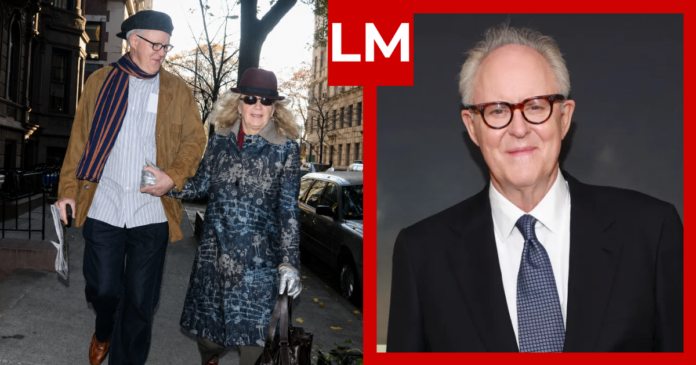

Jean Taynton may not be a household name, but her story reveals the untold sacrifices behind Hollywood success. While widely recognized as Emmy-winning actor John Lithgow’s first wife, her contributions extended far beyond supporting a rising star. Indeed, Taynton was a dedicated educator who successfully taught dyslexic children to read at The World Blind Center, ensuring literacy was accessible for all. They married in 1966 when Lithgow was only 19 years old, beginning a partnership that would last until their divorce in 1980. This article explores Jean Taynton’s early life, her romance with John Lithgow, her role as the primary provider during their marriage, and her choice to maintain privacy after their separation.
Who Jean Taynton Was Before John Lithgow
Early life and education at Oberlin College
Born in the United States during the 1930s, Jean Taynton entered the world at a time when the nation was recovering from economic hardship and moving toward social change. Her formative years remain largely unknown, a reflection of the privacy she maintained throughout her life. From a young age, she exhibited a natural affinity for learning and showed genuine interest in helping others. These qualities would later define her professional path.
Taynton attended Oberlin College in Ohio, a liberal arts institution revered for its progressive history and strong arts programs. The college’s interdisciplinary approach exposed her to diverse ideas and disciplines, shaping her worldview and encouraging a blend of creativity and analytical thinking. Her time at Oberlin proved significant in developing both her passion for education and performance. While her exact field of study has not been publicly confirmed, her later career demonstrates the depth of her commitment to learning. Attending Oberlin during the mid-20th century reflected her dedication to higher education at a time when fewer women pursued advanced studies.
Theater work at Highfield Theater
During her summers, Taynton immersed herself in the theater world at Highfield Theater in Falmouth, Massachusetts. She took on comedic roles, exploring her theatrical side and showcasing a vibrant personality that balanced her serious academic pursuits. Friends and colleagues from this era remember her for her sharp wit and talent in comedic performances. This theater work revealed a side of Jean that contrasted with her disciplined educational focus, demonstrating her range as both an educator and performer.
Teaching career beginnings
After completing her education, Taynton focused her energies on teaching. She established herself as an educator long before she became known as John Lithgow’s wife. Her specialty lay in working with students who struggled with reading and comprehension, particularly children with dyslexia. During the 1960s and 1970s, dyslexia was not as widely understood as it is now. Teachers specializing in this area needed to design creative lesson plans and provide personal attention to each student. Her work involved long hours of preparation, one-on-one support, and continuous learning about teaching methods. The career was not glamorous, but it held deep meaning.
How Jean Taynton Met John Lithgow and Their Early Romance
Meeting on stage in ‘Patience’
The mid-1960s brought an unexpected turn when Jean Taynton’s path crossed with John Lithgow at Highfield Theater. Both were cast in Gilbert and Sullivan’s comic opera “Patience,” a production that would alter their lives. Taynton took on the role of Lady Jane while Lithgow portrayed Bunthorne, her stage love interest. The casting placed them side by side in scenes requiring chemistry and collaboration. What began as professional partnership quickly transcended the stage boundaries.
Age difference and unlikely pairing
Their pairing seemed improbable on multiple levels. Jean was six years older than John, a gap that raised eyebrows in the 1960s when such arrangements were less common. Physical contrasts added another layer to their unconventional match. In his memoir, Lithgow humorously described himself as a string bean next to Taynton, whom he likened to a Brussels sprout. Despite these differences, Lithgow found himself captivated. He later reflected on his attraction, stating: “To my youthful eyes, Jean was a blend of effervescence and gravitas, of girlishness and maturity”. Her intelligence drew him in, while she appreciated his passion and ambition.
From stage partners to life partners
The show proved a roaring success, and the time Taynton spent with Lithgow during rehearsals deepened their connection. Theater communities foster intense creative environments where long rehearsals and shared goals build bonds quickly. Their artistic partnership evolved into personal affection within weeks of the production. Conversations about life, dreams, and theater filled their time together. The relationship was built on trust and shared goals rather than flashy romance.
Their 1966 wedding
On September 10, 1966, Phoebe Jean Taynton and John Lithgow married at an Episcopal church in Philadelphia. Lithgow was only 19 years old, still completing his college education. The ceremony remained intimate and modest, with approximately 50 guests witnessing their union. Close friends and family attended rather than industry figures or media representatives. The wedding marked the beginning of a partnership that would span 14 years, built during a period when Lithgow had not yet achieved the recognition that would later define his career.
Jean Taynton’s Role as Provider During the Marriage
Supporting Lithgow’s drama education in London
Shortly after their September wedding, the newlyweds relocated to London. John Lithgow enrolled at the London Academy of Music and Dramatic Art (LAMDA) to pursue formal drama training. Jean secured teaching positions in local schools, becoming the primary breadwinner. The arrangement was straightforward: while Lithgow focused on acting education and stage work, Taynton worked tirelessly to keep the couple financially stable. Her salary covered rent, groceries, and tuition expenses. This period established a clear dynamic where Jean was the provider, allowing her young husband to chase his theatrical ambitions without the pressure of immediate employment.
Teaching dyslexic children at The World Blind Center
Jean’s professional work extended beyond basic teaching. She specialized in working with students who had reading difficulties, particularly dyslexic children. Her most notable position was at The World Blind Center, where she developed methods to teach dyslexic children how to read. This work demanded immense patience and specialized skills, earning her recognition within educational circles. The role required creating individualized lesson plans and providing extensive one-on-one support.
Loss of their first child
The couple endured profound heartbreak when Jean gave birth to their first child nine weeks prematurely[113]. The infant survived only a few hours before passing[113]. This devastating loss placed immense strain on the young marriage, though the shared grief forged a deeper bond between them for years.
Birth of Ian Lithgow in 1972
In February 1972, Jean and John welcomed their son, Ian Lithgow[113]. Jean left her teaching position to focus on raising Ian[113]. This decision shifted the household’s financial structure completely.
Financial struggles and sacrifice
With Jean no longer the breadwinner, John assumed full financial responsibility. He took various jobs to make ends meet, including volunteering at radio stations performing comedy sketches and radio drama. The transition period proved difficult as they adjusted to reversed roles.
The Affair, Divorce, and Life After John Lithgow
John Lithgow’s affair with Liv Ullmann
As Lithgow’s career gained momentum during the late 1970s, their marriage faced mounting pressure. He became involved in a Broadway production with Norwegian actress Liv Ullmann, whose work he deeply admired. Ullmann was extremely famous at the time, having starred in films like Persona and Scenes from a Marriage. During rehearsals, Lithgow and Ullmann developed a close bond that eventually led to an affair. On this occasion when they performed in Toronto, Taynton flew with young Ian to visit her husband. Lithgow suddenly confessed his infidelity. He later described the affair as the “neutron bomb” that ended his first marriage.
The 1980 divorce
Though Lithgow couldn’t admit it to himself or Taynton, he was ready for the marriage to end. Following 14 years together, their divorce was finalized in 1980.
Jean Taynton’s choice of privacy
After the separation, Jean Taynton stepped almost entirely out of public view. Unlike many former spouses of celebrities who publish memoirs or give interviews, she chose silence and maintained her dignity.
Raising Ian as a single mother
Her primary focus remained on Ian, working to ensure stability despite the split. Ian graduated from Harvard in 1994 and pursued both acting and marriage and family therapy.
Where Jean Taynton is today
Born in the 1930s, Jean Taynton would now be in her late eighties or early nineties. She maintains no social media presence and grants no interviews. Reports suggest she lives quietly in retirement in the United States, surrounded by family.
Conclusion
Jean Taynton’s story reminds us that Hollywood success often rests on unseen sacrifices. She provided financial stability, taught dyslexic children to read, and raised a son through difficult circumstances. Her choice to maintain privacy after the divorce speaks volumes about her character. Unlike many connected to fame, she prioritized dignity over publicity. Her legacy lives on through Ian and the countless students she helped achieve literacy. Some contributions matter most when they remain quietly profound.
FAQs
Q1. Who was Jean Taynton and what was her profession?
Jean Taynton was an educator who specialized in teaching dyslexic children to read. She worked at The World Blind Center, where she developed innovative methods to help students with reading difficulties. Before becoming known as John Lithgow’s first wife, she had already established herself as a dedicated teacher with a passion for making literacy accessible to all students.
Q2. How did Jean Taynton and John Lithgow meet?
Jean Taynton and John Lithgow met in the mid-1960s at Highfield Theater in Falmouth, Massachusetts, where they were both cast in Gilbert and Sullivan’s comic opera “Patience.” Taynton played Lady Jane while Lithgow portrayed Bunthorne, her stage love interest. Their professional partnership quickly developed into a romantic relationship, leading to their marriage in 1966.
Q3. What role did Jean Taynton play in supporting John Lithgow’s early career?
Jean Taynton served as the primary breadwinner during the early years of their marriage. After they moved to London so Lithgow could attend the London Academy of Music and Dramatic Art, she secured teaching positions to support them financially. Her salary covered their living expenses and tuition, allowing Lithgow to focus on his drama education and pursue his theatrical ambitions without immediate financial pressure.
Q4. What led to Jean Taynton and John Lithgow’s divorce?
The marriage ended following John Lithgow’s affair with Norwegian actress Liv Ullmann during a Broadway production in the late 1970s. Lithgow confessed the infidelity to Taynton when she visited him in Toronto with their son Ian. He later described the affair as the “neutron bomb” that ended their marriage. After 14 years together, their divorce was finalized in 1980.
Q5. What has Jean Taynton done since her divorce from John Lithgow?
After the divorce, Jean Taynton chose to maintain complete privacy and stepped out of public view. She focused on raising their son Ian as a single mother, who later graduated from Harvard in 1994. Unlike many former spouses of celebrities, she has never given interviews or published memoirs. She is believed to be living quietly in retirement in the United States, surrounded by family.
Also Read: Laurie Holmond