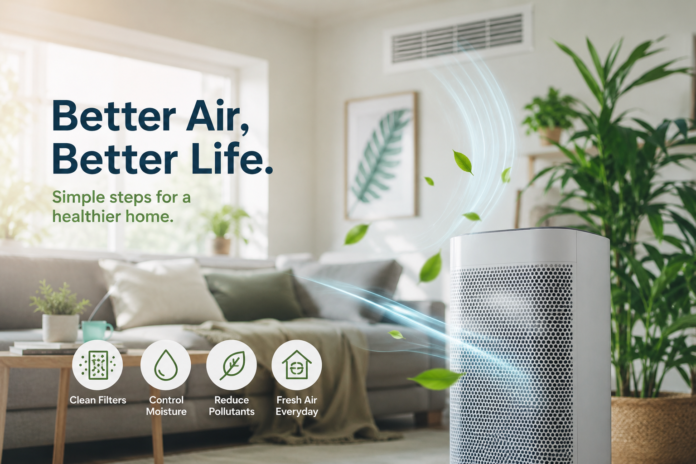

The modern home is meant to be a safe haven, offering shelter and unmatched relaxation from the outside world. However, many homeowners overlook how the structural design of their house influences the environment inside. Contemporary insulation techniques trap heated or cooled air efficiently to lower utility bills, but they also prevent fresh air circulation. This lack of movement leads to a buildup of airborne pollutants that quietly affect your daily well-being. Ensuring your living space remains truly healthy requires a comprehensive approach to optimizing your indoor air quality.
The Dynamic Link Between Air Cleanliness and Daily Comfort
Most people associate home comfort entirely with the temperature setting on their digital thermostat. While maintaining a steady temperature is vital, the microscopic composition of the air plays an equally important role. When airborne particles accumulate, they can cause subtle disruptions like dry eyes, frequent headaches, and restless sleep. Addressing these issues creates an immediate positive shift in how your family experiences their living spaces every single day, notes Great Locations Realty.
Taking control of your interior atmosphere involves identifying the subtle sources of common household irritants. Microscopic dust mites thrive in plush fabrics, while seasonal pollen hitchhikes indoors on clothing and shoes. Pets also contribute a constant stream of dander, which settles deep into carpets and upholstery. Over time, these individual elements combine to create a stagnant environment that strains your respiratory system.
When you take proactive steps to cleanse your home environment, the physical benefits manifest quickly. You will notice fewer allergy symptoms, deeper breathing during sleep, and a fresher overall scent throughout your rooms. A clean home environment supports the natural defenses of your body, reducing seasonal fatigue and promoting greater focus. Investing in your immediate atmosphere is a fundamental part of maintaining a healthy lifestyle.
Furthermore, a well-managed climate system prevents structural issues like mold growth in hidden cavities. Maintaining excellent indoor air quality requires regular attention to filtration and humidity control. When your home has the right balance of moisture and filtration, every room feels crisp and inviting. This baseline of health prevents expensive remediation projects down the road while keeping your primary heating and cooling machinery functioning perfectly for years.
Practical Daily Habits for Cleaner Home Breathing
Transforming your interior environment does not require an immediate, expensive equipment overhaul. Frequently, the most sustainable changes come from adjusting your everyday home maintenance routines. By establishing simple habits, you can stop pollutants from settling into your soft furnishings and circulating through your living spaces.
- Institute a No-Shoes Policy: Leaving shoes at the entryway prevents tracking in soil pesticides, heavy metals, and outdoor allergens.
- Groom Household Pets Weekly: Regular bathing and brushing capture loose fur and dander before they become airborne irritants.
- Wash Bedding in Hot Water: Cleaning sheets and pillowcases weekly eliminates dust mites and removes shed skin cells.
- Utilize Damp Microfiber Cloths: Wet dusting traps particles effectively, preventing them from floating into other rooms during cleaning.
- Open Windows Strategy: Cracking windows for just ten minutes daily provides a vital exchange of stale air for fresh oxygen.
Maximizing Your HVAC System for Environmental Health
Your central heating and cooling equipment acts as the primary filtration device for your entire house. When the system operates, it continuously pulls air through return vents, captures debris, and distributes conditioned air. However, a neglected HVAC unit can easily transform from a protective barrier into a major source of indoor pollution.
Selecting the Right Air Filter
The choice of air filter directly influences both airflow speed and particle capture rates. Standard fiberglass filters only protect the mechanical parts of the unit from large debris. Upgrading to a pleated filter with a higher Minimum Efficiency Reporting Value (MERV) rating allows you to catch fine pollen and dust. This upgrade creates a much cleaner distribution cycle without placing undue strain on your blower motor.
The Critical Role of Regular Duct Inspections
Over several years of operation, the interior surfaces of your ductwork can collect a thick layer of dust. If your home experiences high humidity, this dark environment can become a breeding ground for mold spores. Having professionals inspect your duct connections ensures that dirty attic or crawlspace air is not leaking into your breathing supply, preserving energy efficiency.
Controlling Moisture Levels to Inhibit Pollutants
Moisture management is another essential pillar of keeping a healthy home environment. High humidity makes the air feel heavy and encourages the rapid proliferation of dust mites and mold colonies. Conversely, extremely dry air parches your nasal passages, leaving you vulnerable to winter viruses. Keeping your interior humidity between 30% and 50% provides the ideal balance for human health and structural safety.
- Run Bathroom Exhaust Fans: Keep fans running during showers and for twenty minutes afterward to evacuate excess moisture completely.
- Deploy Kitchen Range Hoods: Always vent outdoor hoods while cooking to capture steam and combustion gases from gas stoves.
- Monitor Crawlspaces and Basements: Use small dehumidifiers in subterranean zones to prevent damp air from rising into living areas.
- Inspect Condensate Drain Lines: Ensure your cooling system drains water properly to avoid stagnant pools inside the air handler.
- Address Plumbing Leaks Fast: Repairing minor pipe drips immediately eliminates the localized moisture that mold needs to grow.
Strategic Materials Choice for Home Upgrades
If you are planning a future home update, consider the environmental impact of your building materials. Many traditional paints, carpets, and pressed-wood cabinets contain volatile organic compounds that release harmful gases for years. Choosing zero-VOC paint finishes and solid hardwood or tile flooring simplifies your cleaning routine while permanently reducing chemical traces in your home.
Conclusion
Improving indoor air quality is an ongoing process of reducing chemical sources, controlling humidity, and optimizing your HVAC filtration. By establishing consistent habits like tracking entry dirt and washing linens, you can significantly reduce airborne irritants. Upgrading to high-efficiency pleated filters and maintaining clear ductwork turns your climate system into a powerful protective shield. These small, deliberate choices enhance your daily physical comfort, protect your respiratory health, and lower your energy costs, creating a truly sustainable and rejuvenating home environment for your entire family.