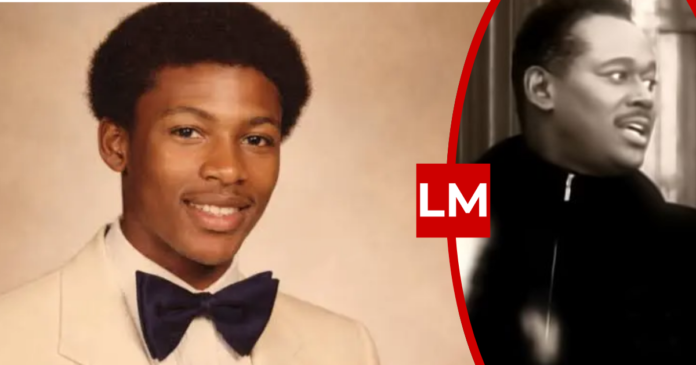

Charles Anthony Vandross shaped one of music’s greatest voices, yet he deliberately chose a life away from the spotlight. Born on February 7, 1947, in Manhattan, New York, Charles became more than just Luther Vandross’s brother. He became a second father figure, mentor, and guiding force during the family’s most challenging times. After their father passed away in 1959, Charles stepped into a leadership role among the Vandross siblings, including Luther, Patricia, and Ann. His passing in 1991 at age 44 marked another profound loss for the family, although his influence on Luther’s legendary career remained undeniable.
Who is Charles Anthony Vandross: Early Life and Family Background
Growing Up in Manhattan’s Musical Scene
The Vandross household on Manhattan’s Lower East Side became a training ground for musical excellence long before fame entered the picture. Luther Vandross Sr., who worked as an upholsterer and singer, filled the home with melodies. Mary Ida Vandross, a nurse by profession, balanced her demanding career with nurturing her children’s creative talents. The family resided in the Alfred E. Smith Houses public housing development, where gospel, soul, and R&B sounds drifted through hallways and apartments.
During the 1950s, Manhattan pulsed with musical energy. Jazz clubs, church choirs, and radio broadcasts created a soundtrack that shaped the Vandross children’s formative years. The family’s modest apartment transformed into a rehearsal space during evenings, with singing sessions that gave each child early performance experience. This environment proved essential for artistic development, particularly for the youngest child who would later dominate R&B charts.
The Vandross Siblings: Luther, Patricia, and Ann
Charles Anthony Vandross held the position of eldest among four children in the family. Luther Ronzoni Vandross Jr., born on April 20, 1951, at Bellevue Hospital in the Kips Bay neighborhood, arrived as the youngest sibling. Between Charles and Luther stood two sisters: Patricia Marie Vandross Joyner and Ann D. Vandross Sanders.
The sibling dynamic created a protective network within the household. Patricia developed her own connection to music, becoming a member of the Crests, a doo-wop group whose song “Sixteen Candles” achieved commercial success. Luther taught himself to play piano by ear at age three, demonstrating natural musical ability that captivated his older siblings. Ann, along with Patricia, later took Luther to the Apollo Theater and Brooklyn venues to watch Dionne Warwick and Aretha Franklin perform.
This close bond among luther vandross siblings extended beyond shared genetics. The children supported each other’s talents while navigating the challenges of working-class life in New York City.
Father’s Death and Charles’s New Role
Diabetes claimed Luther Vandross Sr.’s life in 1959, leaving Mary Ida to raise four children alone. Charles, at just 12 years old, faced the sudden responsibility of becoming a secondary father figure. The loss reshaped family dynamics completely, forcing everyone to adapt to new realities.
Mary Ida worked as a licensed practical nurse to provide for her family, demonstrating the strength that would later define the Vandross name. Charles stepped into his expanded role with quiet determination, offering stability to his younger siblings during their most vulnerable period. He helped maintain household routines, supported his mother’s efforts, and ensured his brothers and sisters felt protected despite their father’s absence.
The family subsequently moved to the Bronx when Luther reached nine years old. This transition marked another adjustment period, but Charles’s steady presence helped ease the changes. His leadership during these formative years established patterns of support that would continue throughout Luther’s eventual rise to stardom.
Charles Anthony Vandross and the Musical Foundation
Early Musical Activities and Listen My Brother
Gospel hymns and soul records filled the Vandross home, making music feel like a shared family language rather than a distant career goal. Charles participated in early music-related activities alongside his siblings, particularly in community and family settings. He performed in the Listen My Brother ensemble, participated in music workshops, and appeared on Sesame Street, gaining early artistic collaboration experience. These moments allowed him to develop skills in stage presence, rhythm, and vocal harmony.
Listen My Brother operated as a workshop group based at the Apollo Theater in Harlem. Peter Long of the Apollo Theater assembled the 16-member ensemble as a way to bring talented young people from Harlem together and seek scholarships to send them to college. The brothers worked together in these theater workshops, with Luther joining the group that would reshape his early performing style. Charles participated in music workshops and early performance experiences, setting examples of discipline and artistic dedication.
The ensemble performed at the Apollo Theater starting in the late 1960s, opening for many of the venue’s famous performers. In late August 1969, the group performed in front of tens of thousands at the Harlem Cultural Festival. This massive community gathering exposed both brothers to large-scale performance dynamics and audience engagement techniques that would prove valuable in Luther’s later career.
Sesame Street Appearance and Youth Performances
Directly after the Harlem Cultural Festival, Listen My Brother appeared in the pilot episode and other episodes of the first season of Sesame Street during 1969-1970. The children’s television program had just debuted in 1969, making these among the earliest episodes of what would become a cultural institution. Luther sang lead vocals on ‘You Gotta Learn,’ a song the group composed themselves.
These television appearances represented more than just performance opportunities. For Charles, they showed his willingness to stand beside his brother and help him gain confidence and experience. He wasn’t seeking fame for himself. In essence, Charles created space for Luther to develop the stage presence and vocal control that would later define his solo career.
The group also released one single titled ‘Only Love Can Make a Better World’. These early recordings gave both brothers hands-on experience with studio work, microphone technique, and the collaborative process of creating recorded music.
Supporting Luther’s Early Talent Development
Charles understood that Luther possessed a special gift. Rather than competing or feeling jealous, he offered quiet encouragement and realistic advice. This kind of support gave Luther the emotional foundation needed to pursue ambitious musical dreams. As the eldest sibling, Charles offered family guidance in music, serving as a mentor and model for professional conduct.
His role included assisting in early recordings, providing feedback, and participating in family musical collaboration that honed Luther’s abilities. While Luther became the public face of the family’s musical talent, Charles worked behind the scenes. He provided private mentorship, emotional stability, and musical foundation that would inform Luther’s approach to artistry.
Though Charles did not pursue fame, his musical upbringing instilled in him the knowledge to mentor and support family members. His work demonstrates the importance of influence without fame, showing how behind-the-scenes family roles can shape careers in significant ways. The bond between the luther vandross brothers extended beyond blood relation into genuine artistic partnership during those formative years.
The Brother Behind the Legend: Charles’s Role in Luther’s Success
Providing Emotional Stability During Luther’s Rise
The bond between Charles and Luther Vandross was rooted in shared experience, mutual respect, and the unspoken understanding that comes from growing up in the same home through joy and hardship. As Luther’s career gained momentum in the 1970s and exploded in the 1980s after signing with Epic Records, Charles remained a constant source of support. He witnessed Luther’s earliest signs of musical talent and encouraged rather than competed with it.
This early experience of loss and responsibility shaped Charles’s entire personality, teaching him the value of quiet strength, practicality over self-promotion, and loyalty to family above all else. Those who knew him later in life consistently describe someone defined by exactly those qualities. While their mother Mary Ida often receives credit as Luther’s main supporter, Charles’s influence cannot be overlooked. As the older brother, Charles provided more than just encouragement; he offered a realistic view of life and taught Luther the value of hard work, humility, and emotional balance.
Behind-the-Scenes Guidance and Mentorship
Charles Anthony Vandross understood that Luther had a special gift, and rather than feeling overshadowed or envious, he created space for his younger brother to discover and develop that gift. He offered quiet encouragement and realistic advice, giving Luther the emotional foundation needed to pursue his dreams. This kind of support proved invaluable during times of doubt, with many who knew the Vandross family recalling that Charles’s quiet confidence and steady presence gave Luther the reassurance he needed.
Friends and family often describe their relationship as one of quiet guidance, a dynamic in which Charles’s influence was subtle but pivotal. His involvement in early community and performance activities alongside his younger brother reflected genuine support for Luther’s artistic development, not personal ambitions. Charles also helped the family stay united after their father’s death, and his leadership and calm personality gave everyone a sense of security. This allowed Luther to focus on developing his talent without worrying about family stability.
Keeping Luther Grounded Through Fame
In interviews, Luther frequently talked about staying grounded despite his fame, and this sense of being down-to-earth came partly from the example Charles set. Charles showed his younger brother that a person could live with dignity and purpose without needing public recognition. Behind every award Luther won, there was a brother who had been part of his journey from the start.
Charles’s legacy is not measured in awards, recordings, or headlines but in the kind of influence that never gets photographed: the steady older brother who helped hold a grieving family together, who stood beside his younger sibling at community performances, who never once tried to trade on the Vandross name for personal gain. Luther often credited his family for providing the encouragement that fueled his music, and Charles’s quiet presence formed part of that same foundation.
Charles Anthony Vandross Cause of Death and Family Loss
Charles’s Death in 1991 at Age 44
April 30, 1991, brought devastating news to the Vandross family when Charles Anthony Vandross passed away at age 44. The exact cause of his death has never been publicly disclosed, leading to speculation and confusion across various sources. However, given that diabetes complications claimed the lives of his father and other luther vandross siblings, many sources attribute Charles’s death to the same chronic illness that ravaged the family. The disease had already taken their father decades earlier and would continue its cruel progression through the remaining family members.
Charles’s passing marked the beginning of a particularly dark period for Luther, who lost his protective older brother just as his own career reached new heights. The timing proved especially painful. Luther had achieved commercial success and critical acclaim, yet the person who had supported his earliest musical endeavors would not witness the full extent of his achievements.
The Vandross Family Tragedies
Diabetes became what one account described as the “silent interloper” in the Vandross family story. The pattern of loss began in 1959 when Luther Vandross Sr. died of diabetes complications, leaving Mary Ida to raise four children alone. Charles was only 12 years old when this first tragedy struck.
The 1990s brought a cascade of grief. Patricia died in 1993, followed by Ann in 1999 due to asthma complications. Mary Ida Vandross watched helplessly as the chronic illness claimed three of her four children, while asthma took her fourth. “When you start losing your children, you look at your situation and you say, ‘What have I done in my life to deserve this,'” Mary told reporters. She characterized diabetes as “cruel and heartless,” noting that “it doesn’t care who it affects”.
By the early 1990s, Luther stood as the only surviving child, a weight that influenced his later work and health advocacy. He never discussed his own health problems with his mother, who remained unaware of serious issues until he suffered a debilitating stroke on April 16, 2003.
Impact on Luther and His Music
The cumulative loss of his father and all three siblings profoundly shaped Luther’s artistic output. In 2003, he wrote “Dance with My Father” as a tribute based on childhood memories and his mother’s recollections of the family singing and dancing together. The song reflected themes of love, absence, and memory that resonated with fans who heard echoes of Charles and his sisters in Luther’s more personal tracks.
Luther died on July 1, 2005, at age 54 from a heart attack, making Mary Ida a mother who outlived all four of her children. The family’s tragedy stands as a stark reminder of diabetes’s devastating impact across generations.
The Private Life Charles Chose Away from the Spotlight
Why Charles Avoided Public Life
Most people connected to celebrities seek attention, but Charles Anthony Vandross rejected that path entirely. He never gave interviews, appeared in media, or shared personal information with the public at any point during his lifetime. This level of privacy remained consistent throughout his brother’s rise to international fame. Charles did not work in the entertainment industry in any professional capacity. His career led him into traditional, private lines of work that allowed him to provide for his family financially and emotionally.
The choice to avoid entertainment wasn’t a failure of opportunity. It reflected deliberate preference. Charles valued stability and private achievement over celebrity and public recognition. He saw no obligation to share his personal story simply because his younger brother was famous, and he honored that belief without apparent regret.
Personal Relationships and Privacy
No verified public records confirm details about Charles’s marital status, romantic relationships, or whether he had children. Some sources indicate he had a daughter named Tonia Lazz Vandross, born in 1966. However, most details remain unconfirmed, reflecting his intentionally private approach to life.
His Legacy Beyond Fame
Charles’s legacy isn’t measured in awards or headlines. It lives in the influence that never gets photographed: the steady older brother who helped hold a grieving family together, who stood beside his younger sibling at community performances, who never once tried to trade on the Vandross name for personal gain. His life offers a model showing that not every person connected to greatness needs to seek greatness themselves.
Conclusion
Charles Anthony Vandross proved that profound influence doesn’t require public recognition. His role as Luther’s mentor, protector, and emotional anchor shaped one of music’s greatest careers, yet he deliberately chose a life away from fame. Rather than competing for attention, Charles created space for his brother’s talent to flourish.
His legacy lives in the values he demonstrated: quiet strength over self-promotion, family loyalty above personal ambition, and dignity without needing validation. For the most part, the world remembers Luther’s voice, but Charles’s steady presence made that voice possible. True support often happens behind the scenes, where impact matters more than recognition.
FAQs
Q1. What role did Charles Anthony Vandross play in Luther’s career?
Charles served as a mentor, emotional anchor, and father figure to Luther after their father’s death in 1959. He provided quiet encouragement, realistic advice, and emotional stability throughout Luther’s rise to fame, helping him stay grounded and focused on developing his musical talent without seeking recognition for himself.
Q2. How did Charles Anthony Vandross die?
Charles Anthony Vandross passed away on April 30, 1991, at age 44. While the exact cause was never publicly disclosed, many sources attribute his death to diabetes complications—the same chronic illness that had claimed his father and would later affect other family members.
Q3. Did Charles Anthony Vandross pursue a music career?
No, Charles did not pursue a professional music career despite his early involvement in musical activities like the Listen My Brother ensemble and Sesame Street appearances. He deliberately chose traditional, private work over entertainment industry opportunities, valuing stability and privacy over celebrity status.
Q4. What tragedies did the Vandross family experience?
The Vandross family faced devastating losses due to diabetes and other health complications. Luther Vandross Sr. died in 1959, Charles in 1991, Patricia in 1993, Ann in 1999 from asthma, and Luther himself in 2005. Mary Ida Vandross outlived all four of her children.
Q5. Why did Charles Anthony Vandross avoid the spotlight?
Charles deliberately chose privacy over fame, never giving interviews or seeking public attention despite his brother’s celebrity status. He valued quiet strength, family loyalty, and personal dignity over public recognition, demonstrating that meaningful influence doesn’t require the spotlight.