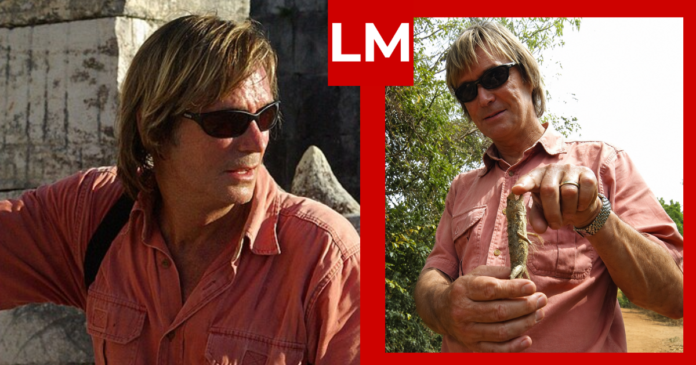

Austin Stevens is a name synonymous with adrenaline-fueled wildlife encounters, venomous serpents, and a deep passion for conservation. Born in South Africa and later making Australia his home, this herpetologist, wildlife photographer, filmmaker, and author has spent decades captivating audiences with his fearless approach to some of the planet’s most dangerous animals. Best known for his Animal Planet series Austin Stevens: Snakemaster, Stevens embodies the spirit of adventure while educating viewers about the beauty and importance of reptiles in our ecosystems.
Early Life and the Spark of Passion
Austin Stevens was born on May 19, 1950, in Pretoria, South Africa. His childhood was shaped by family challenges—his mother suffered from chronic illness after losing a lung in a car accident and passed away when Stevens was in his thirties, while his father ran a modest typewriter repair business. Despite these hardships, a fascination with snakes ignited when he was just 12 years old. By the time he finished school, his personal reptile collection included some of the most exotic and venomous species imaginable.
Stevens credits much of his adventurous nature to his grandfather, also named Austin James Stevens, from Bristol, England—a co-founder of the AJS Motorbike Corporation who later ventured to Africa. This familial legacy of daring seemed to flow through his veins. In his youth, Stevens dove into motorcycles and a rebellious lifestyle, describing himself as something of a “loose cannon.” A near-fatal racing accident in 1974 prompted a life-changing pivot. He gave up the bikes and accepted a position at the Transvaal Snake Park near Johannesburg, reigniting his childhood love for wildlife.
This marked the beginning of his formal journey into herpetology. As curator of reptiles, he underwent intensive hands-on training, handling dangerous species daily and building unparalleled expertise.
Building Expertise: Curatorships and Record-Breaking Feats
Stevens’ career quickly expanded beyond South Africa. He served as Curator of Herpetology at the Nordharzer Schlangenfarm in Germany, where he helped design and establish the facility. Returning to Africa, he took on the role of Curator of Reptiles at the Hartebeespoort Dam Snake and Animal Park.
One of his most legendary accomplishments came in the pursuit of raising awareness for African gorillas. Stevens spent a staggering 107 days and nights in a glass cage with 36 of Africa’s most venomous snakes—a feat that earned him a place in the Guinness Book of Animal Records. On the 96th day, he was bitten by a cobra but refused to leave, receiving treatment inside the enclosure. Despite falling gravely ill, he completed the full duration. This incredible endurance test became the basis for his first book, Snakes in My Bed (Penguin, 1992), offering a raw, diary-like account of the ordeal.
These experiences honed his skills in snake handling, relocation, and photography, turning him into a respected authority. His military service in the late 1970s, including work in conflict zones like Angola where his snake-handling talents proved useful, further tested his resilience.
Rise to Television Fame: Snakemaster and Beyond
Stevens’ transition to the screen brought him global recognition. His breakthrough came with the Animal Planet series Austin Stevens: Snakemaster (2004–2009), later rebranded as Austin Stevens: Most Dangerous or Austin Stevens Adventures. Over 28 episodes, he traveled the globe in search of rare and deadly snakes, while expanding to encounters with rhinos, hyenas, and other wildlife. The shows blended high-stakes adventure, breathtaking cinematography, and educational insights, drawing comparisons to Steve Irwin’s The Crocodile Hunter.
Viewers were hooked by Stevens’ calm demeanor amid chaos—whether tracking king cobras in dense jungles, navigating bat caves, or facing desert giants. Episodes like “In Search of the King Cobra” showcased not just the thrill but the respect he held for these creatures. He emphasized their ecological roles, debunking myths and promoting coexistence.
His photography complemented the films. Self-taught and preferring compact gear like Canon and Samsung models, Stevens captured stunning images that appeared in stock libraries and documentaries such as Dragons of the Namib (about the Namaqua chameleon) and Africa’s Deadliest Dozen. He contributed to ARKive and produced content for channels like National Geographic and ZDF in Germany.
Authorship: Sharing Stories from the Wild
Writing has been a vital outlet for Stevens. Beyond Snakes in My Bed, he penned The Last Snake Man (2007), reflecting on his career. Snakemaster: Wildlife Adventures with the World’s Most Dangerous Reptiles (Skyhorse, 2014) compiled his television exploits. His most personal work, Running Wild (2018), delves into his full life story—from early days at Hartebeespoort to military service, depression struggles, and later adventures. It offers intimate glimpses into his relationship with his wife Amy and the emotional toll of a high-risk career.
These books reveal a man driven by curiosity and a commitment to wildlife preservation, blending humor, peril, and reflection.
Personal Life and Later Years
In December 2007, Stevens married his second wife, Amy, a python keeper from Australia. The couple relocated Down Under, where they continued sharing wildlife experiences through social media and videos.
Health challenges have marked recent years. In 2016, Stevens disclosed a Parkinson’s disease diagnosis. In 2023, he successfully underwent surgery for basal cell skin cancer. Despite these, he remains active, inspiring fans with his enduring spirit.
Legacy: Education, Conservation, and Inspiration
Austin Stevens’ impact extends far beyond entertainment. He has educated millions about snakes’ misunderstood roles—controlling rodent populations and maintaining biodiversity. His work emphasizes the necessity for conservation in areas where human activity poses a threat.
What sets Stevens apart is his authenticity. He approaches animals with profound respect, never sensationalizing danger for ratings. His calm expertise in the face of black mambas, cobras, and more reassures viewers while underscoring nature’s raw power.
In an era of viral wildlife content, Stevens’ contributions stand timeless. From a Pretoria boy obsessed with snakes to a global “Snakemaster,” his journey reminds us of humanity’s connection to the wild. Whether through TV, books, or photos, he encourages curiosity, caution, and care for the planet’s creatures.
As Stevens himself might say, the real adventure lies in understanding and protecting what we fear most. His life’s work continues to slither into hearts worldwide, proving that with knowledge and respect, even the deadliest encounters can foster awe and advocacy.