
Solar panels can make strong financial sense in Canada, even with long winters and cold weather. Many homeowners assume Canada is too cloudy or snowy for solar, but panel performance depends more on annual sunlight, roof orientation, local power prices, and system design than on temperature alone. In fact, solar cells often operate efficiently in cooler conditions. For households planning to stay in their home for years, solar can lower utility bills, reduce exposure to rising electricity rates, and cut carbon emissions. The key question is not whether solar works in Canada—it does—but whether your specific home, budget, and energy use make the investment worthwhile.
What Determines Whether Solar Panels Are Worth It in Canada?
How Climate, Sunlight, and Location Affect Performance
Canadian solar performance varies by region, but cold weather does not make panels ineffective. In fact, solar panels often perform better in cooler temperatures than in extreme heat. What matters most is total annual sunlight, shading, roof angle, and snow management. Southern Alberta, Saskatchewan, and parts of Ontario often offer strong solar potential, while coastal and heavily shaded areas may generate less. Winter production drops because days are shorter and snow can temporarily block light, yet bright winter sun and reflective snow can also improve output in some situations. Bifacial designs can benefit especially well from reflective surfaces. The practical takeaway is simple: Canada’s climate does not prevent solar from working, but local conditions strongly influence how much energy your system will actually produce each year.
Electricity Costs, Incentives, and Long-Term Savings
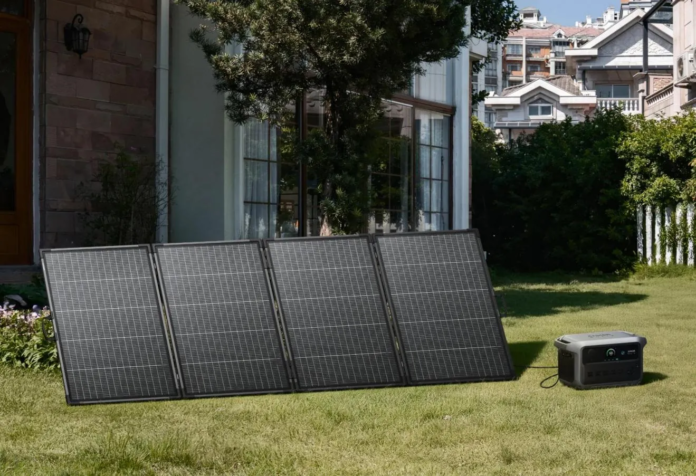
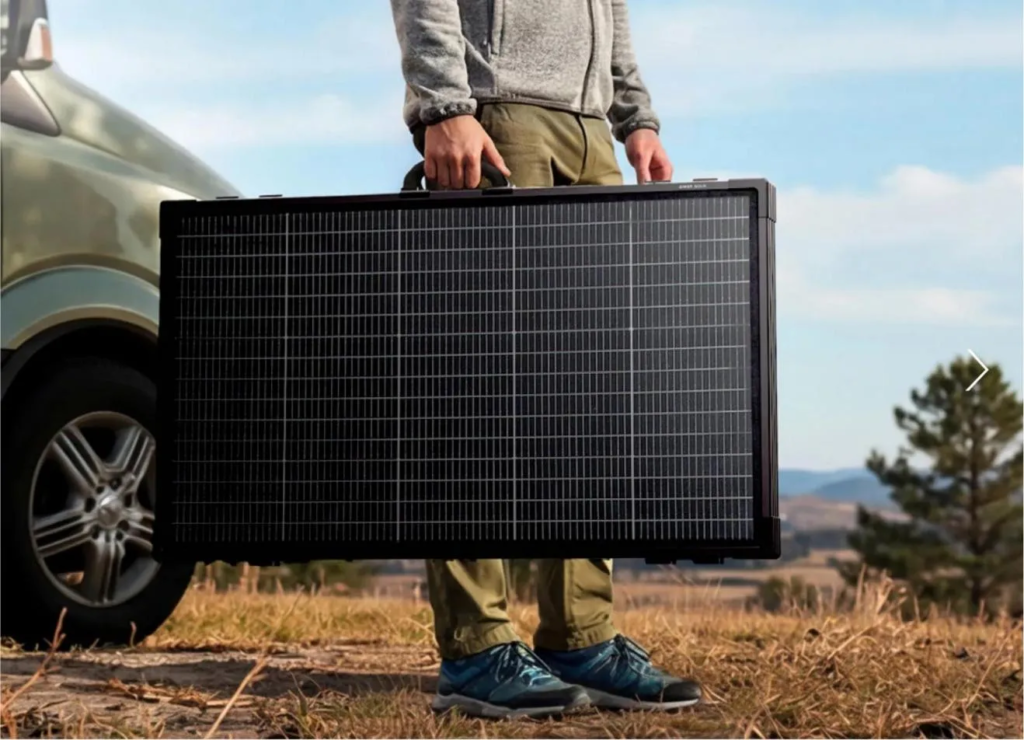
The financial case for solar improves when it replaces expensive electricity and when homeowners can use net metering to earn credits for excess generation. If your utility rates are rising, every kilowatt-hour your system produces becomes more valuable over time. Provincial and municipal incentives, where available, can shorten payback by lowering upfront costs. Even when rebates are limited, solar can still provide durable savings over a system’s lifespan.A realistic evaluation should compare total installed cost, expected annual production, utility rates, and projected savings over 20 to 25 years. Homes with high consumption usually benefit more quickly. Portable or supplemental solar options can also support specific use cases. For example, the Anker SOLIX PS400 Bifacial Portable Solar Panel uses dual-sided output for up to 10% more power in reflective areas, offers 25%+ conversion efficiency with N-type cells, weighs 22 lb, and carries IP68 protection with a 10-year lifespan and 5-year warranty.
Comparing the Benefits and Challenges of Solar Panels
Financial, Environmental, and Energy Independence Benefits
For many Canadian households, the biggest advantage of solar is long-term bill reduction. Each unit of solar electricity used at home lowers the amount purchased from the grid, and that can add up meaningfully over time. Solar can also act as a hedge against rising utility rates, which makes future energy costs more predictable. Environmentally, it cuts household emissions by replacing grid electricity with renewable generation. That matters especially for homeowners trying to reduce their carbon footprint without changing daily routines. Solar also supports greater energy independence. While standard grid-tied systems do not automatically provide backup power during outages, they still reduce reliance on utility-supplied electricity. When paired with storage, homeowners gain more control over when and how they use energy, which can be particularly appealing in areas with grid instability or expensive peak pricing.
Upfront Costs, Maintenance, and Other Considerations
The main drawback of solar is the initial investment. Equipment, permitting, labour, and electrical work can make installation a significant capital expense, even if long-term savings are strong. Payback is rarely immediate, so homeowners need a realistic timeline and a clear understanding of financing terms. Roof condition is another key issue. If shingles are nearing the end of their life, replacing the roof before installing panels is often the smarter choice. Maintenance is usually light, but not zero. Panels may need occasional cleaning, visual inspection, and snow awareness in winter. Inverter replacement can also arise later in the system’s life. Homeowners should also consider aesthetics, insurance implications, resale timing, and local utility policies. A good solar investment starts with accurate production estimates and honest expectations, not just headline savings or optimistic assumptions.
How to Decide if Solar Panels Are the Right Choice for Your Home
Questions to Ask Before Investing in a Solar System
Before buying, ask how much electricity your home uses annually and what percentage a proposed system is expected to offset. Request a production estimate based on your exact address, roof layout, and shading—not a generic projection. Ask about total installed cost, warranty coverage, expected lifespan, inverter type, and whether monitoring is included. Confirm how net metering works with your utility and whether any incentives or tax programs apply locally. You should also ask what happens if roof work is needed later and whether removal and reinstallation costs are covered. Finally, review the payback period using conservative assumptions, not best-case scenarios. A trustworthy evaluation should explain savings clearly, show system sizing logic, and make it easy to understand what you are paying for.
Choosing Reliable Solar Panels for Canadian Conditions
Canadian conditions demand equipment that can handle cold, moisture, snow, and seasonal variability. Reliable panels should offer strong efficiency, weather resistance, and durable frame construction rather than focusing only on nameplate wattage. Look for clear warranty terms, solid ingress protection where relevant, and proven performance in demanding outdoor conditions. High-efficiency cell technology can help maximize production when roof space is limited, and durable materials matter in regions with wind, rain, and freeze-thaw cycles. For supplemental, portable, or off-grid charging needs, portability and ruggedness also become important. Foldable designs can be easier to deploy at cottages, during outages, or for mobile use. In all cases, choose solar equipment built for long-term performance, transparent support, and realistic use in Canadian weather instead of selecting only on the lowest upfront price.
Conclusion
Solar panels are worth it for many Canadian homes because they can lower electricity bills, reduce exposure to rising utility costs, and provide meaningful environmental benefits over the long term. Canada’s climate is not a barrier on its own; sunlight levels, roof quality, local electricity prices, and incentive programs are what truly shape the return on investment. The best candidates are homeowners with good sun exposure, solid roof conditions, and plans to stay in their property long enough to benefit from payback and ongoing savings. If you evaluate your usage, compare costs carefully, and choose durable equipment suited to Canadian conditions, solar can be a practical and financially sound upgrade rather than just an environmental gesture.