
We live in a very visual time. Photos help, but video can do much more. For construction companies, YouTube videos can build your brand and bring in new clients. Video lets you share real stories, show your work quality, and build trust. It also helps people “see” your skill instead of just hearing promises.
If you’re trying to figure out how to use video for your construction business, this guide breaks it down. You’ll learn how to plan a strong content strategy, get practical video ideas that people actually watch, improve your filming with the right tools and habits, and set your videos up so they’re easier to find on YouTube. Getting good at construction company YouTube marketing is no longer a nice add-on; it’s a key part of growing in a competitive market.
How to Develop a Video Content Strategy for Construction Companies
A good YouTube channel doesn’t grow from random uploads. It grows from a clear plan. Before filming anything, decide what you want the channel to do, who it’s for, and how you’ll publish content regularly. This helps every video support your business goals instead of just “filling space.”
Setting Goals for Your YouTube Channel
Start by asking: what should this channel achieve? “Get more leads” is a start, but it’s too broad. Try goals you can track and tie to your business plan. If you’re a newer company, your goal might be getting your name known locally. If you’re already established, your goal might be promoting one service, like green building, high-end custom homes, or complex commercial renovations.
Each video should have one clear job:
- Show your work quality and range
- Answer common client questions
- Build relationships with local people
Your videos should also repeat your main promises (like finishing on schedule, quality workmanship, or smart design). That way, viewers don’t just watch-they understand what you stand for.
Targeting Local and Niche Audiences
You’ll get better results when you know exactly who you’re talking to. Are you speaking to homeowners who want a remodel? Developers planning new buildings? City and county staff reviewing bids? Each group cares about different things, so the same video won’t work for everyone.
For example:
- Local homeowners: keep it simple and practical, focus on common home problems and upgrades.
- Industry pros: you can include more technical details, but keep it clear and avoid talking like a textbook.
Also add your location in places YouTube reads, like your channel info and video descriptions. Phrases like “home remodeling in [City, State]” can help you show up for local searches.
Planning Content Consistency and Frequency
Regular posting matters. Posting five videos in one month and then disappearing for six months usually won’t build an audience. Pick a schedule you can keep up with. Many companies do well with one video per week or a few per month.
A content calendar helps a lot. Plan:
- video topics
- publish dates
- main talking points
This keeps your channel active and helps you mix different video types (project tours, tips, behind-the-scenes, and so on). It also tells YouTube that your channel is active, which can help with reach.
What Are the Most Impactful Video Ideas for Construction Company YouTube Channels?
Once you have a plan, the fun part starts: making content. Construction has great built-in stories-big changes, skilled work, problem solving, and real people behind the jobs.
Company Story and Brand Introduction Videos
Your company has a story. A brand intro video gives potential clients a simple way to understand who you are and what you believe in. Skip vague words like “full service” or “high quality” and show what makes you different.
Good topics include:
- Why the business started
- What values guide your work
- How you support the local area
Use upbeat footage: your team, job sites, and finished projects. This video should feel real, not like a hard sales pitch. It helps people connect with you, especially before they ever meet you.
Meet the Team Videos
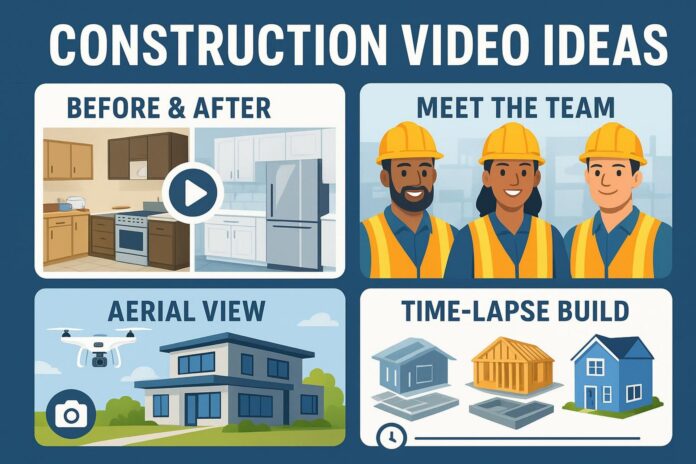
People prefer hiring people they trust. “Meet the Team” videos put faces to your name. Introduce project managers, foremen, designers, and other key staff. You can also show a quick “day on the job,” short clips from safety meetings, or moments from company events.
These videos help because they:
- build trust fast
- show pride in your staff
- make your company feel more approachable
Project Showcase and Walkthrough Videos
Think of these as your portfolio in motion. A short highlight video (often 1-2 minutes) can show a finished space with strong visuals-like a smooth walkthrough of a remodel or drone shots of a new build.
A slightly longer “project story” video (often 2-3 minutes) can add interviews. A project manager or business owner can explain:
- the goal of the project
- problems that came up
- how your team solved them
This shows the finished result and the skill behind it.
Before and After Transformation Videos
People love seeing a big change. Before-and-after videos clearly show what you can do. Film the space before work starts, then show the finished result.
Make it stronger with quick context:
- What was wrong or outdated?
- What did the client want?
- What did you do to get there?
It helps viewers picture what you could do for their home or building.
Time-Lapse Construction Videos
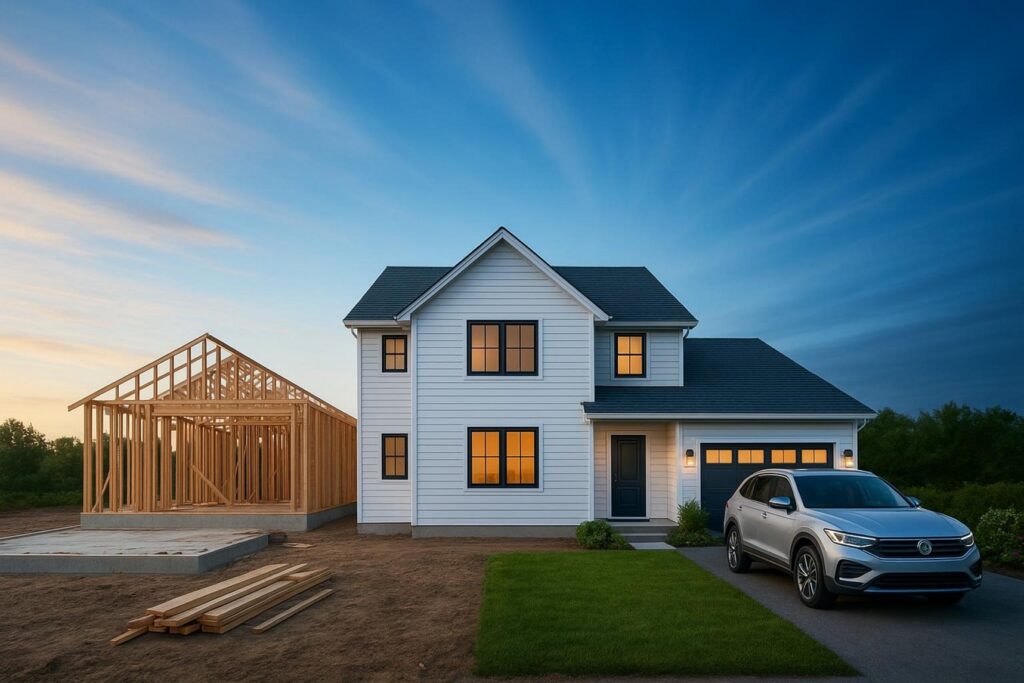
Time-lapse clips turn months of work into 30-90 seconds. They show progress fast and tend to get rewatched and shared.
Common setups include:
- a camera mounted high on-site
- drone photos taken on a schedule
You can also split time-lapse content into smaller updates during the job so you have more posts without extra filming.
Drone and Aerial View Construction Videos
Drone shots show scale and context better than ground footage. Aerial video can show the full site, how a building fits into its surroundings, and the overall progress.
Drone footage is also great for:
- large outdoor “before and after” projects
- adding variety to walkthrough videos
- supporting time-lapse sequences
Behind-the-Scenes on Site
Perfectly polished videos aren’t always the best. Simple behind-the-scenes clips often feel more real. Show your crew working, tools in use, and steps that clients don’t usually see.
Ideas include:
- a quick safety talk
- a complicated install in progress
- materials arriving and being checked
Real job footage shows skill and effort, and it helps clients feel comfortable choosing you.
Construction Process and Educational Videos
Teaching builds trust. Make videos that explain how things work and what clients should expect. These videos can cover:
- basic construction steps (demo, framing, rough-ins, finish work)
- what a typical timeline looks like
- materials and why you pick them
- quality checks you do during a job
Many clients want information before they hire. If you explain things clearly, you come across as the expert they can rely on.
Safety Tips and Compliance Videos
Safety content is often ignored in marketing, but it can build serious trust. You can show:
- safety training
- site rules and protective gear
- simple safety tips during a renovation
This reassures clients that you run a responsible site and take standards seriously.
Client Testimonial Videos
Video testimonials are one of the strongest forms of proof. A happy client talking on camera feels more believable than a written review.
To get better testimonials:
- don’t script them-keep it conversational
- ask what problem they had, why they chose you, and what changed after the project
- film them in the finished space if possible
If they mention communication, vendor coordination, or how issues were handled, that also helps future clients feel confident.
Community Involvement and Local Project Stories
Show what you do outside paid jobs. Community videos can feature:
- supporting a local team or event
- charity work
- volunteer builds
This makes your business feel local and relatable, and it helps people choose you because they like what you stand for-not just what you build.
Frequently Asked Questions (FAQ) Videos
Turn common questions into short videos. These can be simple and quick to produce.
Popular FAQ topics include:
- “How long does a kitchen remodel take?”
- “What happens after I request a quote?”
- “How do I know if my roof needs repair?”
- “What’s the process for building a custom home?”
This content builds trust over time. When someone is finally ready to start a big project, they’ll remember the contractor who helped them understand the process.
What Equipment and Techniques Improve Construction Videos?
You don’t need a huge budget. Small upgrades and better habits can make a big difference. The goal is clean video, clear sound, and simple editing that keeps people watching.
Choosing the Right Cameras and Drones
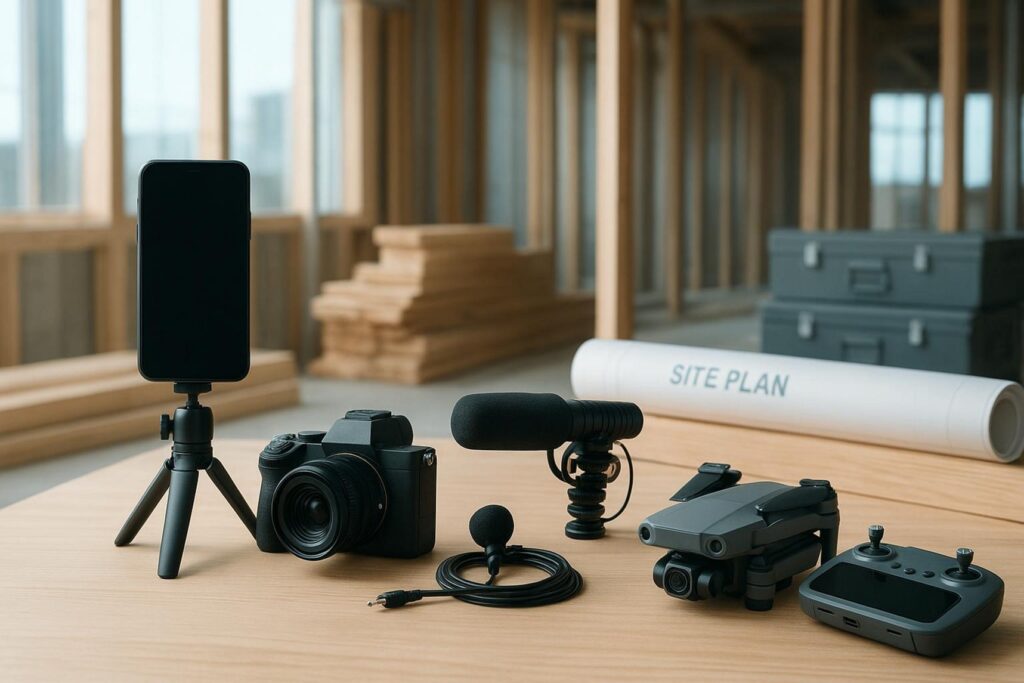
A modern smartphone is often the best starting camera. It’s easy, always with you, and good enough for most marketing content.
If you want more control over image quality, a basic DSLR or mirrorless camera can help, but it’s not required.
For aerial footage and site overviews, a good drone can add a lot. It helps you show the full project in a way normal cameras can’t.
Lighting and Audio Tips for Construction Sites
Good lighting and clear sound matter. Natural light works great outdoors. Try filming in the morning or late afternoon when the sun is softer. Indoors, place people near a window when possible. Low-cost LED lights can help in darker spaces.
Audio matters even more than video quality. People will stop watching if they can’t hear clearly. For talking videos, use:
- a clip-on lav mic, or
- a shotgun mic
Watch out for wind and loud equipment noise. Do a quick test recording before filming a full take.
Editing for Engagement and Clarity
Editing turns raw clips into a story. Keep it clear and fast-moving:
- Hook viewers in the first 3-5 seconds with your best shot.
- Switch angles every few seconds so it doesn’t feel slow.
- Use background music lightly so it doesn’t cover voices.
- Add short text overlays for key details (location, project type, main features).
- Include simple branding (logo, consistent colors) and end with a clear next step.
Apps like CapCut, InShot, and iMovie are solid options for phone editing.
How to Optimize Construction Videos for YouTube Discovery
Making good videos is only part of the job. You also need people to find them. YouTube works like a search engine, so your titles, descriptions, and visuals matter.
Using Titles, Descriptions, and Tags Effectively
Use titles that people actually search for. Include clear keywords like:
- “Commercial construction time-lapse”
- “Kitchen renovation before and after [City]”
In the description, explain what the video shows using natural wording and related keywords. Tags also help by giving YouTube extra topic hints.
Also keep your channel looking professional:
- clear banner
- helpful “About” section
- a featured video that shows your best work
- playlists grouped by topic (Remodels, Time-Lapses, Testimonials, FAQs)
Creating Compelling Thumbnails
Thumbnails often decide whether someone clicks. Your thumbnail should be clear, high contrast, and related to the video.
Basic thumbnail guidelines:
| Item | Recommended |
| Size | 1280 x 720 |
| Aspect ratio | 16:9 |
| File size | Under 2 MB |
| Formats | JPG, GIF, BMP, PNG |
Use a strong image (a dramatic “after” shot or equipment in action). Keep text short and readable on a phone. You’ll also need a verified channel to use custom thumbnails.
Including Calls to Action
Every video should tell viewers what to do next. Make it simple:
- visit your website
- request a quote
- call for a consultation
- subscribe for more project videos
Place CTAs naturally in the video and at the end. Use YouTube features like End Screens (last 5-20 seconds) and Cards to guide people to your other videos, playlists, or site. You can also pin a comment with the next step and a link to your contact page.
How to Measure Success and Continually Improve Video Marketing
Posting videos isn’t the finish line. Track results, learn what people like, and adjust your plan over time.
Tracking Key YouTube and Website Metrics
YouTube Analytics shows what’s working. Focus on:
- Views: basic reach
- Watch time: how long people stay
- Engagement: likes, comments, shares
Also track what happens after YouTube. Are viewers clicking to your website? Are they filling out forms or requesting quotes? This connects video work to real business results.
Gathering Feedback from Clients and Viewers
Numbers help, but comments and questions help too. Look for patterns:
- What questions keep coming up?
- Which videos get the most helpful responses?
- What worries do people mention?
You can also ask clients directly what videos helped them decide. Quick conversations or short surveys often give you ideas for your next content. Agencies like https://builtfor.studio/ use this kind of audience feedback to shape video and social strategies for construction brands.
Adjusting Content Based on Performance Data
Use what you learn to improve. If certain video types get higher watch time, make more of those. If one topic brings in more inquiries, keep covering it. If a video does poorly, check the likely reasons:
- topic wasn’t interesting
- intro was too slow
- video dragged on
- CTA wasn’t clear
By reviewing performance and making changes, your channel gets better over time-and so do your results.
Construction marketing has moved strongly online, and video is one of the best ways to stand out. The companies that win on YouTube are the ones that share real stories, show their work clearly, and build trust with viewers. You’re not just showing what you build. You’re showing how you work and what clients can expect. Start filming, keep posting, and let your projects speak for you.