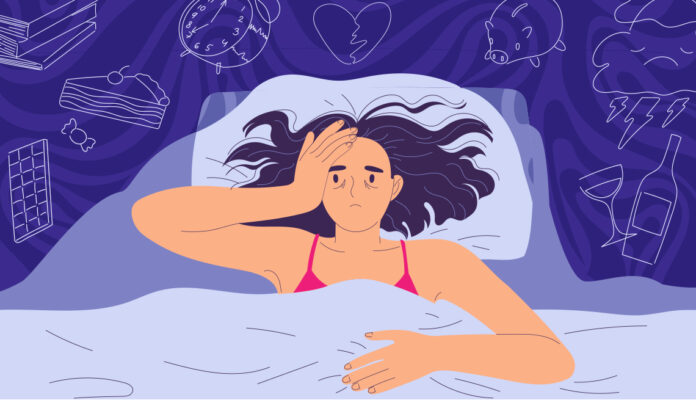

Stress rarely appears all at once. More often, it builds through small moments. A difficult morning. A tense meeting. A late bill. A poor night of sleep. A disagreement at home. None of these events seems serious on its own, but when they keep stacking up, the pressure starts to feel normal.
That is often where harmful habits begin.
You may eat more because food feels comforting. You may drink at night because it helps you relax. You may stay online for hours because scrolling keeps your mind busy. Some people begin using medication or other substances to sleep, focus, or numb difficult feelings.
At first, these behaviors seem useful. They offer relief. The problem is that quick relief can slowly become a routine, and a routine can become something much harder to control.
Understanding how this change happens can help you catch it early.
Stress Changes the Way You Make Decisions
Stress affects more than your mood. It changes how your body and brain respond to daily life.
When you feel under pressure, your nervous system becomes more alert. Your heart may beat faster. Your muscles tighten. Your thoughts move quickly. Stress hormones prepare you to react, even when the problem is an email, a deadline, or a family argument rather than a physical threat.
This response helps in short bursts. But when it stays active for days or weeks, it drains your energy and weakens your ability to make calm choices.
Quick relief starts to feel necessary
A tired and stressed brain wants the fastest answer. It does not always care whether that answer is good for you next week. It wants relief now.
That is why ordering heavy food feels easier than cooking. It is why pouring another drink seems simpler than sitting with worry. It is also why people stay awake watching videos even though they know sleep would help.
These choices do not always come from a lack of self-control. Often, they come from exhaustion.
The brain begins to connect stress with a specific action. A hard day leads to drinking. Loneliness leads to overeating. Anxiety leads to scrolling. Each time the pattern repeats, the connection becomes stronger.
Soon, the habit starts before you have time to think about it.
Comfort Eating Can Become an Emotional Routine
Food offers comfort for many reasons. It is easy to access, linked to memory, and often tied to family, celebration, and care. A warm meal after a difficult day can feel deeply calming.
There is nothing wrong with enjoying food. The concern begins when eating becomes the main way you handle stress.
Hunger and stress can feel strangely similar
Physical hunger tends to build over time. Emotional hunger often appears fast. You may suddenly want chips, sweets, or fast food even though you ate recently.
Stress can also increase cravings for foods that are high in sugar, salt, or fat. These foods can create a brief sense of reward. For a few minutes, you feel better.
Then the feeling fades.
Some people respond with guilt. They promise to skip meals the next day or follow a strict diet. But restriction often creates stronger cravings later. The result is a repeating cycle of stress, overeating, guilt, and more stress.
A better response starts with a simple question. What happened before the urge appeared?
Maybe you were tired. Maybe someone upset you. Maybe you skipped lunch. Maybe you needed comfort, quiet, or connection.
Sometimes you are hungry. Sometimes food is standing in for something else.
Alcohol Can Quiet Stress, Then Add More of It
For many people, alcohol becomes part of the evening routine. Work ends, a drink is poured, and the day finally feels over.
At first, that ritual may seem harmless. Alcohol can reduce tension for a short time. It slows the nervous system and creates a sense of calm. But that calm comes with a cost.
Alcohol can disrupt sleep, even when it helps you fall asleep. You may wake up tired, restless, or anxious. The next day feels harder, which increases stress. Then you drink again to relax.
The pattern feeds itself.
Watch for changes in purpose
The reason you drink matters as much as the amount.
Enjoying a drink with dinner is different from feeling unable to relax without alcohol. The warning signs often appear slowly. One drink becomes two. Weekend drinking moves into the workweek. Social drinking becomes something you do alone.
You may also notice that you hide how much you drink, feel defensive when someone asks about it, or reach for alcohol after every difficult event.
When drinking becomes hard to stop, professional help can provide a safer path forward. A medically supported Washington detox center can help people manage withdrawal and begin addressing the stress, anxiety, or pain connected to alcohol or drug use.
Getting help does not mean you are weak. It means the habit has become serious enough to need proper care.
Substance Misuse Often Starts With a Practical Excuse
Substance misuse does not always begin with thrill-seeking. Sometimes it starts with a problem that feels ordinary.
A person cannot sleep, so they take extra medication. Someone feels overwhelmed at work and uses a stimulant to stay focused. Another person takes more pain medication because the normal dose no longer feels effective.
The reason may sound practical, but the risk still grows.
Tolerance changes the pattern
When the body gets used to a substance, the same amount may no longer create the same effect. This is called tolerance. A person then takes more to feel calm, alert, numb, or comfortable.
Dependence can develop after that. The body begins to expect the substance. When the person tries to stop, they may feel anxious, sick, restless, shaky, or unable to sleep.
This stage can be hard to admit.
Many people tell themselves that they cannot have a serious problem because they still work, care for family, or keep up with daily duties. But a person can appear functional while struggling deeply.
The signs often show up in quieter ways. You take more than you planned. You try to stop but cannot. You lose interest in normal activities. Relationships become tense. You keep using even though you know it is causing harm.
For people who need time away from daily triggers, a program such as Residential alcohol rehab in Illinois can offer structure, medical care, and support for the emotional causes behind drinking.
Real treatment looks beyond the substance. It also looks at the stress that made the substance feel necessary.
Harmful Habits Are Not Always About Food or Substances
Stress can shape many other behaviors.
Some people shop because buying something creates a quick rush. Others gamble because the excitement blocks out worry. Some work late every night because staying busy feels easier than dealing with fear, sadness, or conflict.
Phone use can also become part of the cycle.
You check one message, then lose an hour to news, videos, and social media. You may feel distracted during that time, but not rested. In fact, constant comparison, bad news, and work messages can leave you more tense than before.
Avoidance gives problems room to grow
Many harmful habits are forms of avoidance. They help you delay an uncomfortable feeling, task, or conversation.
You may ignore a bill because money worries make you anxious. But the unpaid bill creates more stress later. You may cancel plans because you feel drained, but long periods of isolation can deepen sadness and anxiety.
Avoidance feels like relief because it removes pressure for a moment. Still, the original problem remains.
It is a little like turning up the radio because the car is making a strange sound. You hear the problem less, but the engine still needs attention.
The goal is not to remove every distraction. People need breaks. Entertainment, comfort, and rest are part of a healthy life. The issue begins when distraction becomes the only way you cope.
How to Break the Stress and Habit Cycle
Breaking this cycle does not require a perfect routine. You do not need an expensive wellness plan or a complete life reset.
Small changes work because they interrupt the automatic link between stress and harmful behavior.
Notice your personal warning signs
Stress does not look the same for everyone. Some people become irritable. Others feel numb. Some eat more, while others lose their appetite. You may notice headaches, tight shoulders, poor sleep, social withdrawal, or a strong need to drink or use substances.
Pay attention to what happens before the urge.
A simple note on your phone can help. Write down the situation, the feeling, and the behavior. After a few days, patterns often become easier to see.
Maybe cravings appear after certain meetings. Maybe you drink more when you feel lonely. Maybe you shop online after arguments.
Once you know the trigger, you can plan a different response.
Make the harmful choice less convenient
Your surroundings shape your behavior.
If alcohol sits in plain view, drinking requires little thought. If snack food stays beside your desk, you may eat without noticing. If your phone is beside your pillow, scrolling late at night becomes almost automatic.
Changing the environment creates a pause.
You can keep alcohol out of the house, charge your phone in another room, prepare easy meals before a busy week, or remove shopping and gambling apps. If medication use has changed, speak with a doctor rather than trying to manage it alone.
These steps do not solve stress, but they create space between the feeling and the action.
Build a short list of real stress relievers
Healthy coping does not need to be impressive.
A ten-minute walk can help. So can stretching, calling a friend, taking a shower, cooking a simple meal, writing down your thoughts, or sitting outside for a few minutes.
The best stress relievers calm the body as well as the mind. Slow breathing, movement, regular meals, and better sleep all support the nervous system.
Honestly, many people look for a complex answer when the first step is simple. Eat something. Leave the room. Take a walk. Get some sleep.
These actions do not fix every problem, but they help you respond with a clearer mind.
Support Should Come Before a Crisis
People often wait too long to ask for help. They think the situation has to become severe before it counts.
It does not.
You can speak with a doctor, therapist, support group, or treatment provider as soon as a habit worries you. Early help can prevent health problems, financial trouble, damaged relationships, and deeper dependence.
Be honest about what is happening. Explain how often the behavior occurs, what triggers it, and what happens when you try to stop.
Clear information helps professionals understand what kind of support you need.
And if you make progress, then slip, do not treat that moment as failure. Look at what caused it. Change the plan. Reach out again.
Changing a harmful habit rarely happens in a straight line.
Small Changes Can Protect Your Future
Stress is part of life. Harmful coping does not have to be.
The main question is whether you still feel in control. Can you stop the behavior without panic? Can you handle a difficult day in more than one way? Is the habit helping you recover, or is it making your life smaller?
Those questions can feel uncomfortable, but they matter.
Harmful habits grow through repetition and silence. They become weaker when you notice them, talk about them, and replace them with support that actually helps.
Start small. Watch your patterns. Ask for help early.
You do not need to solve everything at once. You only need to take the next healthier step.
READ ALSO: How to Make Your Patient Intake Faster and More Efficient