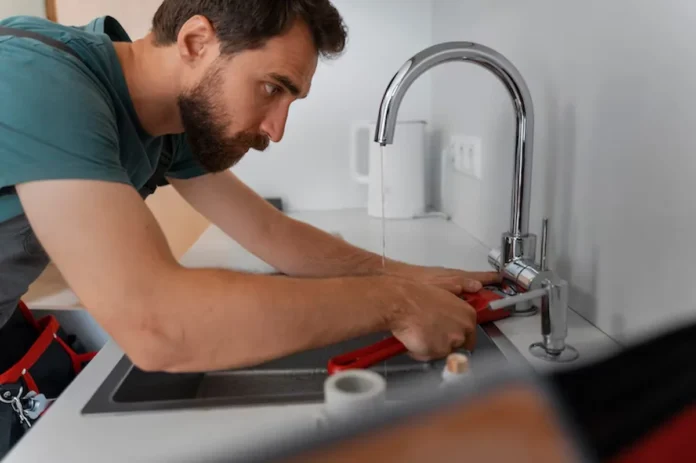

Low water pressure after a new fixture installation can be frustrating because the upgrade is supposed to improve daily use, not create new problems. A faucet, showerhead, toilet, sink, or appliance connection may look properly installed but still restrict flow if a valve is partly closed, debris is trapped, or the fixture does not match the plumbing system. A plumber helps determine whether the issue is caused by the new fixture, the supply line, the shutoff valve, or the home’s pressure system. Careful troubleshooting restores better flow and protects the new installation from avoidable strain.
Pressure Problems After Installation
- Checking Fixture Connections and Shutoff Valves
A plumber usually begins by checking the fixture itself and the nearby shutoff valves. After installation, a valve may not fully reopen, a supply line may be kinked, or a connector may be tightened to restrict flow. These small installation details can reduce pressure at one sink, shower, toilet, or appliance while the rest of the home works normally. A plumber can inspect the hot and cold supply lines, confirm that the valves open correctly, and ensure the fixture is connected without obstructing water flow. Homeowners contacting a Plumber in Paris, TN, may be dealing with a new fixture that looks fine from the outside but is not receiving a full water supply. This first inspection helps separate a simple connection issue from a larger plumbing problem. If the pressure improves after a valve or supply line correction, the plumber can prevent unnecessary repairs elsewhere in the system.
- Removing Debris From Aerators and Cartridges
New fixture installation can loosen sediment, pipe scale, sealant fragments, or small particles inside the water line. When water is turned back on, that debris may travel into the faucet aerator, showerhead screen, mixing valve, or cartridge. The result can be weak flow that appears suddenly after the installation. A plumber can remove and inspect these parts, clean trapped debris, and flush the supply line before reassembling the fixture. This is especially common in older homes or systems with hard water buildup. A faucet may produce a thin stream, a shower may feel weaker than before, or one side of the fixture may have less pressure than the other. Clearing these minor internal restrictions often restores normal flow without requiring a new fixture. A plumber also checks whether debris has reached nearby fixtures, since particles can move through shared lines. This careful cleaning helps the new fixture perform as intended.
- Testing the Fixture for Flow Compatibility
Sometimes low pressure is not caused by a blockage but by the fixture’s design. Many newer faucets and showerheads are built with flow-limiting features to reduce water use. These fixtures may operate differently from older models, and homeowners may mistake reduced flow for a plumbing problem. A plumber can compare the fixture’s rated flow with the home’s water pressure and determine whether the performance is normal or unusually weak. If the fixture is not a good match for the household’s needs, the plumber may suggest adjustments, compatible parts, or a different product type where appropriate. This matters because replacing a fixture without understanding flow ratings can lead to disappointment. The plumber can also check whether the fixture was installed with all required parts in the correct position. Incorrect washers, reversed cartridges, blocked screens, or mismatched adapters may reduce flow more than the product design intended. Testing helps confirm the actual cause of low pressure.
- Inspecting Supply Lines and Pipe Conditions
If the fixture and nearby valves are not the cause, a plumber may inspect the supply lines and nearby piping. Low water pressure after installation can reveal a problem that was already developing inside the plumbing system. Corroded pipes, mineral buildup, narrow older lines, or partially blocked branches can limit the amount of water reaching the new fixture. Sometimes an old fixture hid the problem because it had a different flow pattern, while the new one makes the restriction more noticeable. A plumber can compare pressure at nearby fixtures, check both the hot and cold lines, inspect accessible sections of pipe, and determine whether the issue affects only one area or several rooms. If the problem is limited to one branch, repairs may focus on that section. If the pressure is low throughout the home, the plumber may check the main supply, pressure regulator, or the water meter area. This process prevents guessing and leads to a more accurate repair.
- Adjusting Pressure Regulators and System Balance
A pressure regulator can affect how much water reaches fixtures across the home. If the regulator is set too low, failing, or affected by debris, a new fixture may seem weak even when the installation is correct. A plumber can test the home’s static and working pressures to determine whether the system is delivering sufficient force during use. This is helpful when several fixtures lose pressure after plumbing work or when pressure drops sharply as soon as more than one tap is opened. The plumber may adjust the regulator, replace a failing part, or check whether the home’s plumbing layout needs better balance. In some cases, pressure concerns may come from undersized pipes, old valves, or supply restrictions that become more noticeable after upgrades. Correcting pressure at the system level helps protect fixtures, improves comfort, and prevents homeowners from blaming the new product when the larger plumbing setup needs attention.
A Plumber Finds the Real Cause
A plumber helps fix low water pressure after new fixture installation by checking connections, valves, aerators, cartridges, supply lines, fixture design, and whole-home pressure conditions. The cause may be simple, such as trapped debris or a partly closed valve, or it may reveal older pipe restrictions or trouble with the pressure regulator. Careful inspection prevents unnecessary replacement of a new fixture and helps restore steady water flow. When pressure drops after installation, prompt plumbing service can protect the upgrade, improve daily comfort, and ensure the fixture functions properly within the home’s plumbing system.