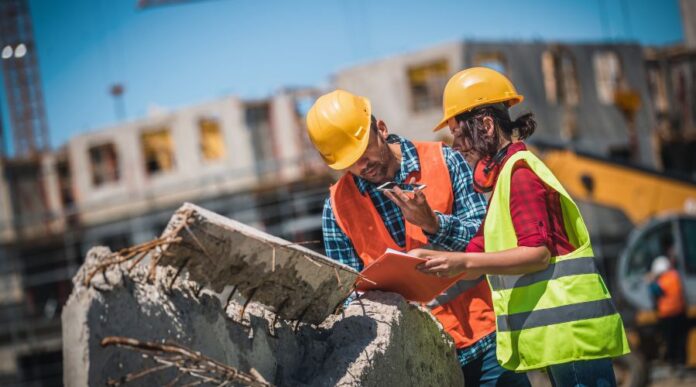

Construction sites can become vulnerable once workers leave for the day. Tools, copper wiring, heavy equipment, fuel, building materials, temporary power systems, and unfinished structures may remain exposed overnight. Without proper protection, a site can face theft, vandalism, trespassing, safety hazards, and costly project delays. Security services help reduce these risks by monitoring activity, controlling access, patrolling the property, and responding to suspicious movement. After-hours protection is important because construction areas are active, changing environments where open entry points and valuable materials can attract unwanted attention when supervision is limited.
Nighttime Site Safety
- Preventing Theft of Tools and Materials
Security services help protect construction sites after working hours by reducing the chance of theft. Many sites contain valuable materials such as lumber, wiring, piping, appliances, fixtures, machinery, and fuel. Small tools can disappear quickly, while larger equipment may be damaged or removed if the site is not watched. Theft does not only create replacement costs; it can delay schedules, interrupt subcontractors, and create disputes over responsibility. A visible security presence can discourage people from entering the site because they know activity is being monitored. Companies using security services in Houston can benefit from patrols, entry checks, and reporting systems that help protect materials during overnight hours. Guards may inspect gates, storage areas, trailers, fencing, and equipment zones to make sure nothing has been disturbed. When materials stay secure, crews can return the next day ready to work instead of dealing with missing supplies or delayed deliveries.
For construction projects that include public open days, community consultations, or other large gatherings, incorporating Event Traffic Management alongside site security can help control vehicle access, protect visitors, and maintain safe traffic flow around the site.
- Controlling Access to Dangerous Areas
Construction sites can be dangerous after hours because the property may contain open trenches, exposed wiring, scaffolding, ladders, unfinished flooring, sharp materials, and heavy machinery. Trespassers may not understand the hazards, especially in low light. Security services help control access by monitoring gates, checking fences, watching entry points, and keeping unauthorized people away from restricted areas. This is important for public safety as well as property protection. If someone enters and gets hurt, the project owner or contractor may face legal concerns, insurance issues, or work stoppages. Security teams can also help keep curious visitors, vandals, and people seeking shortcuts from wandering into active work zones. Their presence adds another layer of control when supervisors and workers are gone. A secure site is easier to manage because fewer people enter without permission, fewer hazards are disturbed, and the construction area remains closer to the condition crews left it in.
- Responding Quickly to Suspicious Activity
After-hours problems can become more serious when no one notices them quickly. Security services help by providing patrols, alarm response, camera monitoring, and incident reporting. If movement is detected near storage areas, equipment, trailers, or access gates, security personnel can investigate and contact the proper authorities when needed. Quick response can stop theft or vandalism before major damage occurs. It can also help identify problems such as damaged fencing, open gates, broken locks, lights that have stopped working, or signs of attempted entry. Timely reporting gives site managers the information they need to make repairs, file reports, and adjust protection measures. Security teams may also keep logs showing patrol times, unusual activity, and any action taken. These records are useful for project managers, insurance reviews, and contractor communication. A fast response system reduces uncertainty and helps prevent small incidents from turning into expensive setbacks.
- Protecting Equipment, Power, and Site Conditions
Construction sites often rely on temporary systems that must remain safe and functional between workdays. Temporary lighting, generators, fuel tanks, electrical panels, water lines, storage containers, and machinery may all need protection. Security services can monitor these areas to reduce tampering, damage, or unsafe use. If equipment is moved, doors are left open, fuel is leaking, or a generator is making unusual noise, guards can report the issue before workers return. This helps protect the site from damage that could slow the project. Weather can also create overnight concerns, such as loosened barriers, fallen materials, or water collecting in unsafe areas. During patrols, security personnel may notice these changes and alert site management. Their role is not to replace construction crews, but to help keep the property stable while it is unattended. Protecting equipment and site conditions overnight helps the next workday begin with fewer surprises and safer conditions.
- Supporting Project Schedules and Accountability
Security services also help protect project schedules by reducing disruptions caused by theft, vandalism, trespassing, or damage. A delayed construction project can affect labor planning, subcontractor timing, material deliveries, inspections, and client expectations. When after-hours incidents occur, managers may need to pause work, replace items, clean damage, or wait for reports. Security reduces the chance of these interruptions by keeping the site watched and documented. Accountability also improves because patrol logs, access records, and incident notes create a clearer picture of what happened outside working hours. This information can help managers identify recurring weak points, such as poorly lit areas, damaged fencing, or storage zones that need stronger protection. Security teams can also help enforce site rules by checking that gates are locked, trailers are secured, and high-value materials are stored properly before nightfall. With better oversight, the project remains more organized and less exposed to preventable setbacks.
After-Hours Security Protects Progress
Security services help protect construction sites after working hours by reducing theft, controlling access, monitoring hazards, responding to suspicious activity, and supporting project accountability. Construction sites contain valuable materials and unfinished areas that can attract problems when workers are gone. A strong after-hours security plan helps keep equipment safe, limits trespassing, protects public safety, and reduces costly delays. It also gives project managers clearer information when incidents occur. By keeping the site watched overnight, security services help preserve progress, protect investment, and create a safer environment for crews returning the next day.