
A sewer line is one of the most important components of any residential, commercial, or municipal plumbing infrastructure. It is responsible for transporting wastewater and sewage from a building to a treatment facility or septic system. Although it operates underground and is rarely visible, the sewer line plays a critical role in maintaining hygiene, sanitation, and environmental safety. When a sewer line malfunctions, the consequences can be severe, including foul odors, property damage, health hazards, and costly repairs.
Because sewer systems operate continuously and handle large volumes of waste, they are exposed to constant pressure, corrosion, and environmental stress. Over time, these factors can lead to blockages, leaks, cracks, or complete system failure. Understanding how sewer lines work, what causes problems, and how professional repair processes are carried out is essential for property owners who want to maintain a safe and functional plumbing system.
How a Sewer Line Works
A sewer line functions as the main drainage pathway that connects a property’s internal plumbing system to a municipal sewer system or septic tank. All wastewater generated from sinks, toilets, showers, washing machines, and other fixtures flows through branch drain lines into a main sewer pipe.
The system relies on gravity in most cases. Pipes are installed at a slight downward slope, allowing wastewater to flow naturally away from the building. In some cases where gravity flow is not possible, pump systems are used to move waste through the line.The sewer line must remain clear and intact to ensure continuous flow. Any obstruction or structural damage can disrupt the entire drainage system, leading to backups inside the property.
Common Sewer Line Problems
One of the most common issues affecting sewer lines is blockage. Blockages can occur due to accumulated debris, grease buildup, or foreign objects entering the system. Over time, these materials restrict flow and eventually cause complete backups.
Tree root intrusion is another major problem. Tree roots naturally seek moisture and can enter sewer pipes through small cracks or joints. Once inside, they grow and expand, causing severe blockages and pipe damage.Pipe corrosion is also common, especially in older systems made from metal materials. Corrosion weakens the pipe structure, leading to leaks or collapses.
Ground shifting or soil movement can also damage sewer lines. Changes in soil pressure may cause pipes to crack, misalign, or break entirely.Fat, oil, and grease buildup from household waste can solidify inside pipes, reducing diameter and restricting flow. This is a frequent issue in kitchen drainage systems that connect to the main sewer line.
Signs of Sewer Line Problems
Sewer line issues often produce warning signs before complete failure occurs. One of the most noticeable indicators is slow drainage in multiple fixtures. If sinks, toilets, and showers are all draining slowly at the same time, it may indicate a main sewer line blockage.Foul odors coming from drains or around the property are another common sign. These odors are caused by trapped sewage or gas escaping through cracks or blockages.
Frequent toilet backups or gurgling sounds in plumbing fixtures can also indicate sewer line problems. These sounds occur when air is trapped in the system due to restricted flow.
Unusual wet spots in the yard or patches of unusually green grass may signal an underground leak in the sewer line. Wastewater leakage can act as a fertilizer, causing grass to grow more rapidly in affected areas.In severe cases, sewage backups inside the property are a clear sign of a major sewer line failure that requires immediate attention.
Causes of Sewer Line Damage
Sewer line damage can occur for a variety of reasons, many of which develop gradually over time. Aging infrastructure is one of the primary causes. Older pipes are more susceptible to corrosion, cracks, and collapse.Tree root intrusion, as mentioned earlier, is another leading cause of damage. Roots can exert significant pressure on pipes, eventually breaking through weakened sections.
Poor installation practices can also lead to long-term sewer line issues. Improper pipe alignment, inadequate sealing, or low-quality materials increase the risk of early failure.
Heavy rainfall and soil saturation can contribute to pipe shifting and ground movement, which may misalign or break sewer lines.In addition, flushing inappropriate materials such as wipes, hygiene products, or grease can accelerate blockages and strain the system.
Sewer Line Inspection Methods
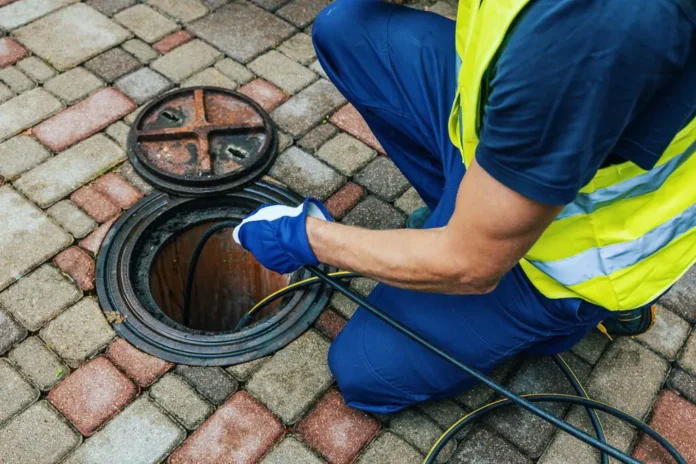
Modern sewer line inspection relies on advanced diagnostic tools that allow technicians to identify problems without extensive excavation. One of the most common methods is video camera inspection. A small waterproof camera is inserted into the sewer line to visually inspect the interior condition of the pipe.
This method allows technicians to locate blockages, cracks, root intrusion, and other structural issues with precision. It also helps determine the exact location and severity of the problem.
Smoke testing is another method used to identify leaks or breaks in the sewer system. Non-toxic smoke is introduced into the system, and any escaping smoke indicates a fault in the pipe.Pressure testing may also be used to assess the integrity of the sewer line by measuring its ability to maintain consistent pressure without leakage.
Sewer Line Repair and Replacement Methods
The method used to repair a sewer line depends on the severity and location of the damage. One common approach is drain cleaning or hydro jetting, which uses high-pressure water to remove blockages, grease buildup, and debris from the pipes.
For more serious issues such as cracks or root intrusion, trenchless repair methods are often used. Pipe lining involves inserting a resin-coated liner into the damaged pipe, which hardens and forms a new внутрен surface inside the existing pipe. This method restores functionality without extensive digging.
Pipe bursting is another trenchless technique where the damaged pipe is broken apart while a new pipe is pulled into place simultaneously. This method is used when the existing pipe is too damaged for lining.In cases of severe structural failure, traditional excavation and full pipe replacement may be required. This involves digging up the affected section of the sewer line and installing new piping.
Preventive Maintenance for Sewer Lines
Preventive maintenance is essential for avoiding costly sewer line repairs. Regular inspections help identify early signs of damage before they escalate into major problems.
Proper waste disposal practices also play a significant role in maintaining sewer health. Avoiding grease disposal down drains and refraining from flushing non-degradable items helps prevent blockages.Tree root management is another important preventive measure. Planting trees away from sewer lines reduces the risk of root intrusion.Periodic drain cleaning and hydro jetting can help keep pipes clear and functioning efficiently.
Monitoring drainage performance and addressing slow drains early can also prevent larger sewer line issues from developing.Timely sewer line repair is critical for maintaining sanitation and preventing property damage. Delayed repairs can lead to sewage backups, which pose serious health risks due to exposure to harmful bacteria and contaminants.Structural damage to the property can also occur if leaking sewage weakens soil stability or foundation support.
Early intervention reduces repair costs by addressing minor issues before they require full system replacement.Timely repairs also help maintain environmental safety by preventing untreated wastewater from leaking into surrounding soil or water systems.
Professional vs DIY Sewer Line Repair
Sewer line repair is highly complex and generally requires professional expertise. While minor drain clogs may be addressed with household tools, most sewer line issues occur deep underground and require specialized equipment for diagnosis and repair.Professional technicians use advanced tools such as camera inspection systems, hydro jetting equipment, and trenchless repair technology to safely and effectively resolve issues.
DIY attempts at sewer line repair can be dangerous and may worsen the problem if the root cause is not properly identified. For this reason, professional service is strongly recommended for any significant sewer line issue.Maintaining a healthy sewer system requires consistent care and awareness. Regular inspections, proper waste disposal habits, and timely maintenance all contribute to system longevity.Educating household members about what should and should not be flushed or drained helps prevent unnecessary blockages.
Scheduling periodic professional inspections ensures that hidden issues are detected early.Maintaining surrounding landscaping to prevent root intrusion also supports long-term sewer line health.
Conclusion
A sewer line is a critical component of any plumbing system, responsible for safely transporting wastewater away from a property. When functioning properly, it operates silently and efficiently in the background. However, when problems occur, they can quickly escalate into serious health, structural, and environmental issues.
Understanding how sewer lines work, recognizing early warning signs, and investing in preventive maintenance are essential steps in protecting both property and public health. Modern inspection and repair technologies make it possible to diagnose and resolve issues with minimal disruption, but timely action remains key.
Ultimately, a well-maintained sewer system ensures safe sanitation, reliable drainage, and long-term infrastructure stability, making it one of the most important yet overlooked parts of any property.