
Short Answer
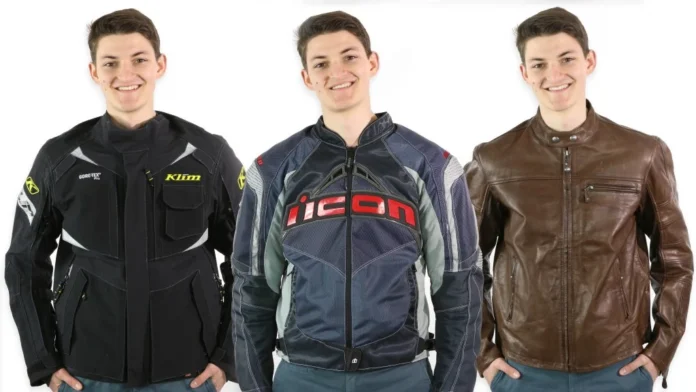
Motorcycle jackets come in different styles for different riders, weather conditions, and riding needs. Cruiser jackets usually focus on classic style and comfort, touring jackets prioritize long-distance function, textile jackets offer versatility, mesh jackets improve airflow, and leather jackets deliver traditional biker looks with durable structure.
Choose the Jacket That Matches Your Ride
A riding jacket is not just something you throw on before getting on the bike. It affects comfort, movement, protection, weather control, and the overall feel of the ride. The best jacket for one rider may not be the best choice for another because riding style changes everything.
Someone who rides short weekend cruiser routes may want a different jacket than someone who rides long-distance highways. A summer rider may care more about airflow, while a colder-weather rider may need insulation and wind control. A rider who wants classic biker style may lean toward leather, while a commuter may prefer textile features.
Before choosing a jacket, think about where you ride, how long you ride, what weather you face, and how much protection or flexibility you want.
Cruiser Jackets
Cruiser jackets are popular with riders who prefer classic biker style, relaxed comfort, and a strong road-ready look. These jackets often pair well with cruiser motorcycles, touring cruisers, and traditional biker outfits.
Cruiser jackets usually have a clean and timeless design. Many are made from leather, although textile cruiser styles are also available. They often include details like snap collars, zip fronts, side adjustments, inner pockets, quilted liners, or classic black finishes.
Riders choose cruiser jackets because they feel natural on relaxed rides. They are not usually as technical-looking as sport or adventure jackets, but they offer strong style and practical comfort.
Cruiser jackets are best for:
- Weekend rides
- City cruising
- Motorcycle events
- Classic biker outfits
- Riders who prefer leather styling
- Riders who want comfort without a bulky technical look
A good cruiser jacket should fit comfortably when seated, allow arm movement, and have enough room for light layers.
Touring Jackets
Touring jackets are designed for longer rides. Riders who spend hours on the road need comfort, storage, coverage, and weather adaptability. That is where touring jackets stand out.
These jackets often include more functional details than basic cruiser styles. They may have multiple pockets, adjustable closures, removable liners, ventilation, longer cuts, reflective details, or armor pocket options.
Touring riders usually face changing conditions. A ride may start cool in the morning, get hot in the afternoon, and become windy or rainy later. A touring jacket should help the rider adapt without needing to change the entire outfit.
Touring jackets are best for:
- Long-distance rides
- Highway riding
- Multi-day trips
- Riders who need extra pockets
- Mixed weather
- Riders who want comfort for extended use
If you ride for long hours, do not choose a jacket based only on appearance. Check how it feels in riding position, how pockets are placed, and whether the lining and ventilation match your climate.
Textile Jackets
Textile jackets are known for versatility. They are often lighter than leather, easier to manage in changing weather, and available in many styles.
A textile riding jacket may include features like ventilation panels, water-resistant materials, reflective details, removable liners, adjustable cuffs, and armor pockets. This makes textile a practical choice for commuters, touring riders, and people who want one jacket for different conditions.
Textile jackets are often easier to maintain than leather. They may also feel more flexible, especially for riders who want comfort during daily use.
Textile jackets are best for:
- Daily commuting
- Mixed weather
- Riders who want lighter gear
- Touring and travel
- Riders who prefer functional features
- Those who want easier maintenance
The main thing to check is material quality. Not all textile jackets are the same. Look for strong construction, secure closures, good pocket placement, and comfort in riding posture.
Mesh Jackets
Mesh jackets are made for airflow. They are especially useful in hot weather when a heavy jacket feels uncomfortable.
The main benefit of mesh is ventilation. Air can pass through the jacket more easily, helping the rider stay cooler during summer rides. Some mesh jackets also include textile or reinforced panels in key areas for better structure.
Mesh jackets are best for:
- Hot weather
- Summer riding
- City riding
- Short to medium rides
- Riders who overheat easily
- Warm-weather events
A mesh jacket should still fit securely. If it is too loose, it may shift while riding. If it is too tight, it can restrict movement and feel uncomfortable.
Riders should also remember that airflow and protection need balance. A very lightweight jacket may feel great in heat, but riders should still check construction, fit, and any protective features.
Leather Jackets
Leather jackets are one of the most recognized styles in motorcycle culture. They have a classic look, strong structure, and long-standing connection with biker identity.
A leather riding jacket can feel heavier and more substantial than textile or mesh. Many riders like leather because it offers durability, timeless style, and a natural road feel. Leather also pairs well with boots, gloves, vests, chaps, and other biker gear.
Leather jackets are best for:
- Cruiser riders
- Classic biker style
- Cooler weather
- Riders who want durable structure
- Motorcycle events
- Riders who prefer traditional gear
When choosing leather, pay attention to fit, leather thickness, stitching, lining, pockets, and closures. A fashion leather jacket may not be built the same way as a riding-focused jacket, so details matter.
Sport Jackets
Sport jackets are designed for riders who prefer a more aggressive riding position. They often have a closer fit, pre-curved sleeves, shorter front length, and protective features placed around common impact zones.
These jackets usually look more technical than cruiser or casual leather styles. They may include armor pockets, stretch panels, perforation, aerodynamic shaping, and reinforced areas.
Sport jackets are best for:
- Sportbike riders
- Aggressive riding posture
- Riders who want a closer fit
- Performance-focused styling
- Warmer weather if perforated
- Riders who want armor compatibility
A sport jacket should fit closely without restricting movement. Since sportbike riders lean forward more, sleeve length, shoulder comfort, and waist cut are especially important.
Adventure Jackets
Adventure jackets are designed for riders who face mixed roads, changing weather, and longer trips. These jackets are often more technical and feature-heavy.
They may include waterproofing, ventilation, removable liners, large pockets, reinforced panels, reflective details, and armor compatibility. Adventure jackets are usually built for flexibility because adventure riders may face pavement, gravel, wind, heat, rain, and dust in the same trip.
Adventure jackets are best for:
- Mixed road conditions
- Adventure touring
- Long-distance travel
- Unpredictable weather
- Riders who need storage
- Riders who want technical features
These jackets may feel bulkier than cruiser or leather jackets, but the extra features can be useful for riders who need all-day function.
Hooded Motorcycle Jackets
Hooded jackets mix casual style with riding-inspired design. They are popular with riders who want gear that looks good off the bike too.
Some hooded jackets use leather, textile, canvas, or hybrid materials. The hood may be fixed or removable depending on the design. A removable hood is often more practical because riders can adjust the jacket for different conditions.
Hooded jackets are best for:
- Casual riders
- Streetwear-inspired looks
- Cooler weather
- Riders who want off-bike style
- Weekend use
- Layered outfits
When choosing a hooded jacket, make sure the hood does not become uncomfortable or distracting while riding. Fit, closure, and material quality still matter.
Armored Jackets
Armored jackets are designed to support protective pads in key areas. These may include the shoulders, elbows, back, or chest depending on the jacket design.
Armor pockets help keep protective inserts positioned where they are needed. Some jackets come with armor included, while others allow riders to add armor separately.
Armored jackets are best for:
- Riders who prioritize protection
- Highway riding
- Long-distance riding
- Beginner riders
- Sport or touring riders
- Riders who want impact protection options
Fit becomes very important with armored jackets. If the jacket is too loose, armor may move out of place. If it is too tight, the rider may feel restricted.
Perforated Leather Jackets
Perforated leather jackets are designed to improve airflow while keeping the look and feel of leather. Small perforations in the leather allow more air to pass through, making the jacket more comfortable in warmer weather.
These jackets are useful for riders who like leather but do not want to overheat in mild or warm conditions.
Perforated leather jackets are best for:
- Warm-weather leather riders
- Cruiser riders
- Summer events
- Riders who want airflow and leather style
- Daytime rides
- Riders who prefer classic looks
They may not be as warm as solid leather jackets, so riders in colder climates may want a liner or another jacket for cooler months.
Waterproof or Rain Jackets
Rain-focused jackets are useful for riders who deal with wet weather. Some are standalone rain jackets, while others are textile riding jackets with water-resistant or waterproof features.
These jackets help reduce water entry and wind chill during rainy rides. They may include sealed seams, storm flaps, adjustable cuffs, high collars, and waterproof outer materials.
Rain jackets are best for:
- Wet weather
- Touring
- Commuting
- Unpredictable routes
- Long-distance riders
- Riders who need emergency rain layers
A rain jacket should fit over your riding layers without being too loose. If it flaps too much in the wind, it can become uncomfortable.
Summer vs Winter Jackets
Season matters when choosing a riding jacket. A jacket that feels great in winter may feel too hot in July. A mesh jacket that works in summer may not help enough during cold rides.
Summer jackets usually focus on:
- Airflow
- Lighter materials
- Mesh panels
- Perforation
- Breathable lining
- Shorter rides in warm weather
Winter jackets usually focus on:
- Warm lining
- Wind control
- Longer coverage
- Thicker materials
- Adjustable cuffs
- Layering space
Some riders prefer one all-season jacket with removable liners and vents. Others keep separate jackets for summer and cold weather.
How to Choose the Right Jacket Type
Choosing between jacket types becomes easier when you start with your riding needs.
Ask yourself:
- Do I ride mostly in hot or cold weather?
- Do I ride short distances or long trips?
- Do I ride in the city, highway, or mixed roads?
- Do I want leather style or technical function?
- Do I need armor pockets?
- Do I care more about airflow or warmth?
- Do I need waterproof features?
- Will I wear layers underneath?
The best jacket is not always the most expensive or the most stylish. It is the one that fits your riding conditions and feels comfortable enough to wear consistently.
A rider comparing different motorcycle jackets should think about purpose first, then material, fit, protection, weather use, and style.
Fit Matters for Every Jacket Type
No matter which type you choose, fit matters. A good jacket should feel comfortable while standing and while seated on the bike.
A proper riding fit should:
- Allow natural arm reach
- Keep sleeves near the wrists while riding
- Sit securely at the waist
- Allow room for light layers
- Avoid pulling across the chest
- Keep armor areas aligned if armor is used
- Feel comfortable at the shoulders
Do not choose a jacket only by regular clothing size. Riding posture changes how a jacket feels.
Common Mistakes Riders Should Avoid
Many riders choose a jacket based only on looks. Style is important, but it should not be the only factor.
Avoid these mistakes:
- Choosing leather when you need summer airflow
- Choosing mesh when you need cold-weather warmth
- Buying too loose for comfort
- Buying too tight for style
- Ignoring sleeve length in riding position
- Forgetting about armor pocket placement
- Choosing fashion jackets for riding use
- Ignoring weather conditions
- Not checking pocket security
- Forgetting about layering
A good riding jacket should match real riding conditions, not just a product photo.
Best Jacket Type by Rider Style
Different riders usually need different jacket features.
Cruiser riders often prefer leather or classic-style jackets. Touring riders usually need pockets, weather features, and comfort over long rides. Commuters may prefer textile jackets because they are practical and easier to manage. Summer riders often choose mesh or perforated leather. Sportbike riders may prefer closer-fitting jackets with armor options. Adventure riders usually need technical jackets built for changing conditions.
There is no single jacket type that fits every rider. The right answer depends on the ride.
FAQs
What type of motorcycle jacket is best?
The best type depends on your riding style and weather. Leather works well for classic biker style, textile is versatile, mesh is best for airflow, touring jackets are good for long rides, and armored jackets are useful for added protection.
Are leather jackets good for motorcycle riding?
Leather jackets can be good for riding when they are designed with proper fit, durable construction, secure closures, and riding-focused features. Fashion leather jackets may not offer the same function as riding jackets.
What is the difference between textile and mesh jackets?
Textile jackets are usually more versatile and may include weather features, liners, and storage. Mesh jackets are designed mainly for airflow and warm-weather comfort.
What jacket should beginners choose?
Beginner riders should choose a jacket that fits well, feels comfortable, and offers good coverage. A textile or leather jacket with armor pocket options can be a practical first choice.
Are cruiser jackets protective?
Cruiser jackets can offer useful coverage, especially when made from durable materials. However, protection depends on construction, fit, leather quality, and whether armor pockets or protective features are included.
Can one jacket work for all seasons?
Some jackets can work across multiple seasons if they include removable liners and ventilation. However, riders in very hot or very cold climates may prefer separate summer and winter jackets.
How should a motorcycle jacket fit?
A motorcycle jacket should fit close enough to stay secure but not so tight that it restricts movement. The sleeves should reach the wrists in riding position, and the shoulders should allow natural arm movement.
Conclusion
Different jacket types exist because riders have different needs. Cruiser jackets bring classic style, touring jackets support long rides, textile jackets offer versatility, mesh jackets help in hot weather, and leather jackets deliver timeless biker structure. Before choosing, think about your riding style, weather, fit, comfort, and protection needs. Daniel Smart MFG offers leather jackets, women’s jackets, biker jackets, custom options, body armor, gloves, boots, and other riding gear for riders who want their setup to match the road ahead.