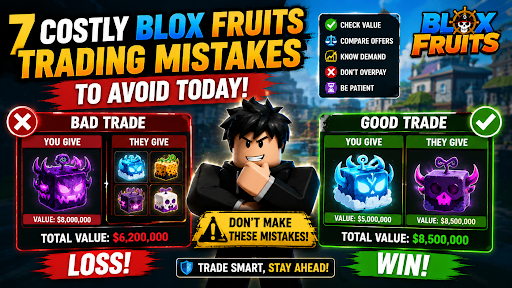

Blox Fruits trading is one of the most exciting parts of the game. Many players spend hours collecting fruits, searching for better deals, and trying to increase the value of their inventory. A smart trade can help you move closer to rare fruits and premium items, while a bad trade can set you back and cost you items that took weeks to obtain.
The problem is that many players make trading decisions too quickly. They see a popular fruit, hear someone say a trade is good, or feel pressure to accept before someone else gets the deal. These situations often lead to losses that could have been avoided with a little research and patience.
Many experienced traders use a Blox Fruits trading Calculator before accepting a deal. Instead of guessing, they compare both sides of the trade, review value differences, and look at demand levels. This simple step helps them make better decisions and avoid common trading mistakes.
The Blox Fruits market changes constantly. Demand rises and falls, new updates influence player behavior, and some fruits become more desirable than others. Because of this, understanding how trading works is just as important as collecting rare fruits.
In this guide, you will learn seven costly trading mistakes that many players make and how you can avoid them. By understanding these mistakes, you can protect your inventory, make better deals, and improve your long-term trading success.
Why Blox Fruits Trading Is More Complex Than It Looks
Many players think trading is simple. They believe that if a fruit is rare or popular, it must automatically be worth more than other fruits. While rarity plays a role, it is only one part of the picture.
Trading value is influenced by several factors. Demand, rarity, player interest, update changes, and trading activity all affect how much an item is worth in the market. This means two fruits can appear similar at first glance but perform very differently when players begin trading them.
For example, one fruit may have a high value because many players actively want it. Another fruit may have a similar value but lower demand because fewer players are looking for it. In real trading situations, the higher-demand fruit is often easier to trade again later.
| Factor | Impact on Trading |
|---|---|
| Value | Determines estimated worth |
| Demand | Shows player interest |
| Rarity | Influences availability |
| Updates | Can increase or decrease popularity |
| Market Activity | Affects trade opportunities |
This is why experienced traders rarely make decisions based on fruit names alone. They look at the entire trade and think about future opportunities. A trade that looks good today may not look as attractive a week later if demand changes.
Understanding these factors gives you a stronger foundation before you begin evaluating offers.
Mistake #1 – Trading Based Only on Fruit Names
One of the most common mistakes in Blox Fruits trading is judging an item by its name rather than its actual market value.
Many players become excited when they see fruits such as Dragon, Kitsune, Dough, or Spirit. Because these fruits are popular, some traders automatically assume any trade involving them must be a good deal.
This thinking often leads to overpaying.
A fruit’s reputation does not always match its current trading value. Market conditions change constantly. A fruit that was highly desired last month may experience lower demand later as players focus on different items.
This mistake is especially common among newer players. They often rely on what they hear from friends, trading servers, or chat discussions instead of checking actual values.
Smart traders focus on facts instead of assumptions.
Before accepting a trade, ask yourself:
- What is the current value?
- How strong is the demand?
- Can I trade this item easily later?
- Am I paying more than necessary?
These questions help remove emotions from the process and lead to better decisions.
Mistake #2 – Ignoring Trade Value Before Accepting Offers
Another costly mistake is accepting trades without comparing the total value on both sides.
Many players focus only on the items they are receiving. They see several fruits or a popular item and immediately believe the trade is favorable.
What they fail to notice is that the combined value of their offer may be much higher.
Trade value exists for a reason. It provides a reference point that helps players compare offers fairly. Without checking value, it becomes easy to give away strong items for less than they are worth.
Experienced traders rarely accept a deal without performing a quick comparison first.
Before accepting any offer, review:
| Question | Reason |
|---|---|
| What is my total value? | Understand what you’re giving |
| What is their total value? | Measure the offer accurately |
| Is demand balanced? | Consider future trading options |
| Is the difference reasonable? | Determine trade fairness |
Even a small value loss repeated over many trades can create major inventory losses over time.
Why Quick Value Checks Matter
A quick value check takes very little time, but it can save you from making expensive mistakes.
Many players lose valuable fruits simply because they act too quickly. They become excited about a deal and accept before reviewing the numbers.
A value check provides a clearer picture of the trade. It removes guesswork and allows you to see whether both sides are reasonably balanced.
The best traders develop a habit of checking every major trade before accepting. This approach helps them avoid emotional decisions and maintain steady inventory growth.
Good trading is rarely about speed. It is about making informed decisions.
Mistake #3 – Overpaying for Hype and New Updates
Whenever a major update arrives, the trading market often becomes unpredictable.
Players rush to obtain newly popular fruits and items. Social media discussions, videos, and community conversations create excitement that pushes many traders into making rushed decisions.
This excitement often causes prices to rise beyond reasonable levels.
Some players become so focused on obtaining a trending fruit that they are willing to overpay without considering actual value.
The problem with hype is that it rarely lasts forever.
As more players obtain the item, demand often becomes more stable. Values may adjust, and traders who overpaid during the initial excitement can find themselves holding less value than they expected.
This does not mean new fruits are bad investments. It simply means that patience often produces better results.
When a new update arrives, take time to watch how the market reacts before making major trades. Waiting a few days can sometimes save a significant amount of value.
Mistake #4 – Ignoring Demand Levels
Many players focus entirely on value and forget that demand is equally important.
Value tells you what an item is estimated to be worth. Demand tells you how much other players actually want it.
These two factors work together.
A fruit can have a respectable value, but if demand is weak, finding future trading opportunities may be difficult. On the other hand, a fruit with strong demand often attracts more offers and gives you greater flexibility.
Understanding demand helps you think beyond the current trade.
Instead of asking, “Is this worth enough?” ask, “Will I be able to trade this later?”
Strong demand usually leads to:
- More trade offers
- Faster trades
- Better negotiating power
- Greater market interest
Midway through your trading journey, it helps to review updated values and demand rankings. Many players use a Blox Fruits Values Guide to understand why some fruits remain highly desirable while others become harder to trade.
Value vs Demand
Value and demand often work together, but they are not the same thing.
| Metric | Value | Demand |
|---|---|---|
| Measures Worth | Yes | No |
| Measures Popularity | No | Yes |
| Affects Trade Balance | Yes | Yes |
| Impacts Future Trades | Indirectly | Directly |
The strongest trading opportunities usually involve items that have both strong value and strong demand.
Mistake #5 – Comparing Permanent Fruits and Physical Fruits Incorrectly
Many players make the mistake of comparing permanent fruits directly to physical fruits.
Although they may share the same name, they represent very different types of items.
Permanent fruits provide ongoing access, making them more valuable in many trading situations. Physical fruits are useful, but they do not offer the same long-term benefit.
A player who compares a physical fruit and a permanent fruit solely based on name may underestimate the value difference between them.
This often leads to unfair trades.
Before evaluating any offer, identify the category of every item involved.
Ask yourself:
- Is this a physical fruit?
- Is this a permanent fruit?
- Is this a gamepass?
- Is this another premium item?
Understanding item categories helps prevent costly mistakes and creates a more accurate view of the trade.
Mistake #6 – Letting Emotions Control Trading Decisions
Emotions are one of the biggest reasons players lose value.
Trading can create excitement, especially when rare fruits are involved. Some players fear missing out on a deal. Others feel pressure because another trader wants a quick answer.
These emotions often lead to poor decisions.
Fear, excitement, and impatience can cloud judgment and make bad trades appear attractive.
Successful traders learn how to separate emotions from facts.
Before accepting a trade, pause for a moment and review the details carefully.
Ask yourself:
- Does the value make sense?
- Would I still accept this trade tomorrow?
- Am I making this decision because I feel pressured?
Taking a short break before accepting a major trade can prevent mistakes that might take weeks to recover from.
Patience is often one of the most valuable skills a trader can develop.
Mistake #7 – Rushing Into Trades Without Research
Research is one of the easiest ways to avoid losses, yet many players skip it entirely.
Instead of checking values, they rely on opinions from chat messages, community discussions, or random traders.
While these sources can provide useful information, they should never replace proper research.
Markets change constantly.
A fruit that was considered valuable last week may have different demand levels today. Without research, it becomes difficult to know whether an offer is truly fair.
How Experienced Traders Prepare
Experienced traders rarely accept important trades without doing some research first.
They review current values, compare multiple offers, monitor demand trends, and look at recent market activity.
This preparation helps them spot weak offers and avoid costly mistakes.
Research does not need to take hours. Even a few minutes spent checking values and demand can improve your decision-making and help protect your inventory.
The more information you have, the easier it becomes to recognize fair trades and avoid losses.
How to Evaluate a Blox Fruits Trade Like an Experienced Player
Experienced traders follow a simple process when evaluating offers.
They start by comparing total values. Next, they review demand levels and consider how easy each item will be to trade later.
After that, they examine item categories and think about long-term usefulness.
| Evaluation Step | Purpose |
|---|---|
| Compare Values | Measure trade balance |
| Review Demand | Understand popularity |
| Check Categories | Avoid unfair comparisons |
| Consider Future Trades | Evaluate flexibility |
| Remove Emotion | Improve decision quality |
Following a consistent process helps eliminate many of the mistakes discussed in this guide.
The goal is not to win every trade. The goal is to avoid unnecessary losses and make decisions that support long-term progress.
Smart Trading Habits That Protect Your Inventory
Good traders are not always lucky. Most of their success comes from consistent habits.
They check values regularly, stay informed about market changes, and avoid making rushed decisions. They understand that every trade affects future opportunities.
Building strong habits creates better results over time.
Players who remain patient, research offers, and focus on value and demand tend to make more successful trades than those who rely on excitement or guesswork.
Small improvements repeated consistently often produce better outcomes than chasing risky opportunities.
Conclusion
Many Blox Fruits trading losses happen because players move too quickly, follow hype, or ignore important information. Trading based on fruit names, overlooking demand, accepting offers without checking value, and allowing emotions to take control are some of the most common mistakes in the market.
By understanding these seven costly mistakes, you can approach trading with greater confidence and make decisions based on facts instead of assumptions. Focus on value, pay attention to demand, research important trades, and remain patient when evaluating offers.
The players who consistently succeed in Blox Fruits trading are usually the ones who take the time to understand the market before clicking accept. A few extra minutes of research today can save a lot of value tomorrow.